Elizabeth Holmes insists she never lied. A deception expert says ‘You Can See Everything’ hinges on one tiny word
A University of Puget Sound professor who studies deception says Holmes may have mastered “paltering,” using true statements to create false impressions. Nathan Fielder’s hit documentary can’t settle whether she knows she’s doing it.
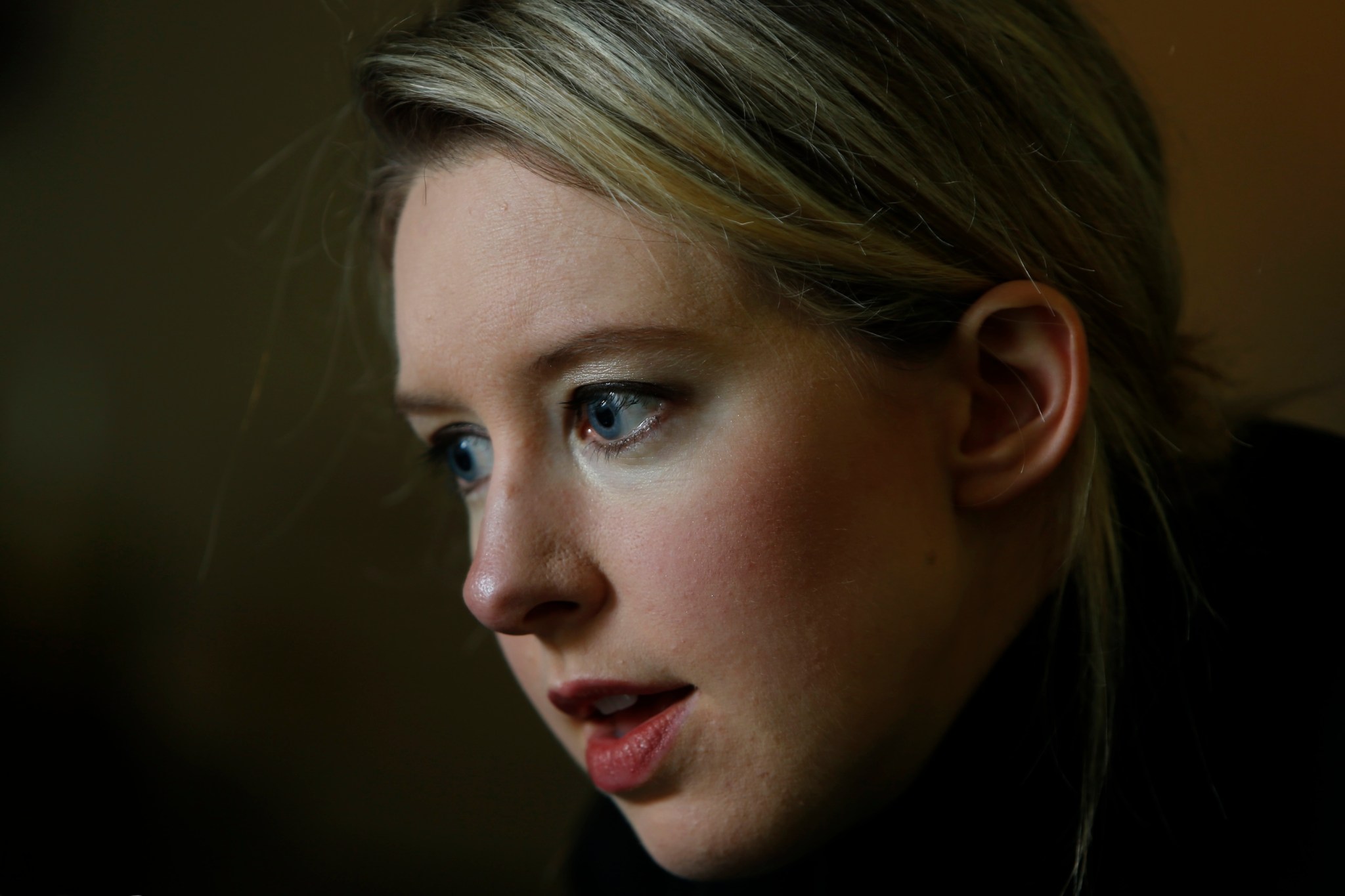
You Can See Everything, the highly anticipated documentary directed by Nathan Fielder and Lance Oppenheim, delves into the life of Theranos founder Elizabeth Holmes. The film has generated a great deal of discussion among viewers, who are grappling with the authenticity of Holmes and the extent of her responsibility for the fraud that led to her imprisonment. Communication expert Nick Brody, who has a keen interest in lying and deception, has offered his thoughts on the documentary after watching it.
During his analysis of the film, Brody emphasizes the crucial role of language, specifically the word "can," in the context of Theranos' claims about its technology. Fielder and Holmes engage in a debate about the meaning of "can" in relation to Theranos' blood-testing device, with Holmes asserting that it could run any test, while Fielder argues that people generally interpret "can" as meaning it is currently capable of doing so. This linguistic ambiguity has been a significant point of contention in the documentary.
Moreover, the documentary raises questions about the accuracy of Holmes' 2023 profile in The New York Times, with Holmes and her partner, Billy Evans, claiming they were misquoted. This unresolved mystery adds another layer to the film's exploration of truth and deception.
Ultimately, the documentary grapples with whether Holmes is intentionally deceptive or merely careless with her words. Brody's analysis suggests that the documentary's central tension revolves around Holmes' intent, whether she misled people through carefully chosen words or told the truth while omitting crucial information. This distinction is crucial, as Brody notes that there are different forms of deception.
One such form is paltering, which researchers at Harvard and Wharton have identified as a distinct type of deception. Paltering involves presenting truthful statements with the intent to create a false impression. The concept of paltering is not limited to high-profile cases like Holmes' but can also be observed in everyday marketing techniques. For instance, food packaging often emphasizes healthy-sounding attributes while omitting the complete nutritional facts, and tech companies are notorious for paltering.
In the case of Theranos, Holmes might have engaged in paltering when she stated that the company's technology "can" run any test, failing to disclose that it was not reliable enough to make such claims. A jury ultimately convicted her of defrauding investors and conspiracy, while acquitting her on charges related to patients. However, Holmes maintains her innocence throughout the documentary, which captures her final weeks before reporting to prison in 2023.
The documentary leaves viewers pondering whether Holmes genuinely believes she has done nothing wrong.
Written by urgent.news from Fortune's reporting — not their text. Machine-written — may contain errors; check the original before relying on it.