Editorial: A wheat price with no buyer, and a market that leaves farmers carrying most of the risk
https://www.dawn.com/news/2039883/wheat-price-dilemma
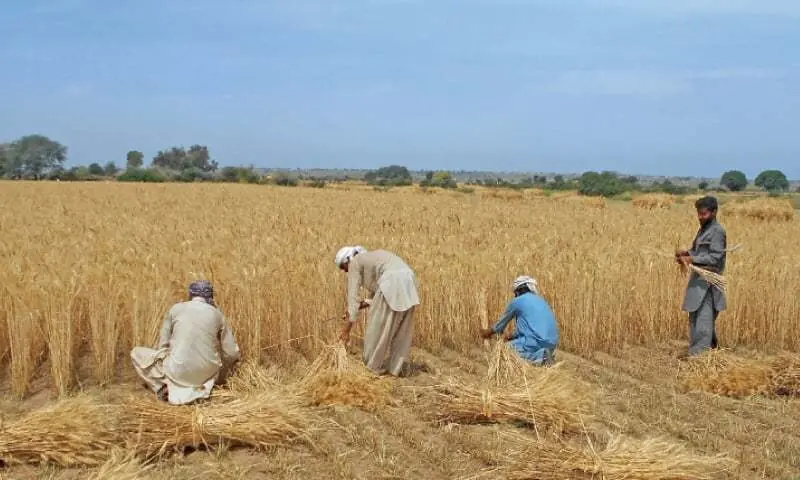
The government's announcement of an indicative wheat price of Rs4,500 per 40 kilograms may have arrived too late for farmers in Sindh, but it offers some relief. The figure represents a 1,000 rupee increase from last year and reflects rising production costs and fuel expenses. However, it falls short of the Rs500 demanded by farmers.
There is no mention of who will purchase the grain or when. An indicative price serves as a signal, not a guarantee. Since April 2025, when the government abandoned the support price and halted large-scale procurement, farmers have been promised a market-based system that would benefit them more. Regrettably, this has not materialized.
The crop being planted this year is the third to enter the ground without a floor price. Punjab's experience in April illustrates the consequences when a procurement price is declared without a mechanism to enforce it. The province attempted to revive buying through bank-backed private aggregators, but banks were skeptical about the scheme's viability, and aggregators purchased only 160,000 tonnes against a target of 2.5 million.
Prices ultimately declined. A price without a buyer financially capable of paying is merely a number. Farmers appear to have recognized this before the government did.
Consumers are not spared either. Wheat prices have risen by 150% over the past five years, directly impacting the cost of flour. In Punjab, flour is currently sold for Rs160-190 per kilogram, which poses a challenge for low-income households. Even the government's reserves are priced high. Sindh initiated the sale of government wheat this month at Rs12,500 per 100kg, or Rs5,000 per 40kg, which surpasses the price offered by the prime minister to farmers.
The success of wheat reforms hinges not on the government's ability to exit the market but on whether the replacement system fairly distributes risk among farmers, traders, millers, banks, and the state, ensures affordable flour, and safeguards the nation's food supply.
As sowing has already commenced, the government should plainly state its intentions regarding purchases, the agency involved, the funding source, and the timeline. It should adapt imports accordingly. Furthermore, the government should consider the cost of fertilizers and other inputs rather than solely relying on price. Lastly, the government should directly assist poor households instead of reducing flour prices for everyone by burdening farmers.
An announcement of a price without a corresponding buyer will fail to encourage farmers to sow, and a market that favors only one side is not worth defending.
Written by urgent.news from Dawn Business's reporting — not their text. Machine-written — may contain errors; check the original before relying on it.