Economic policy vets see risks in AI overreliance
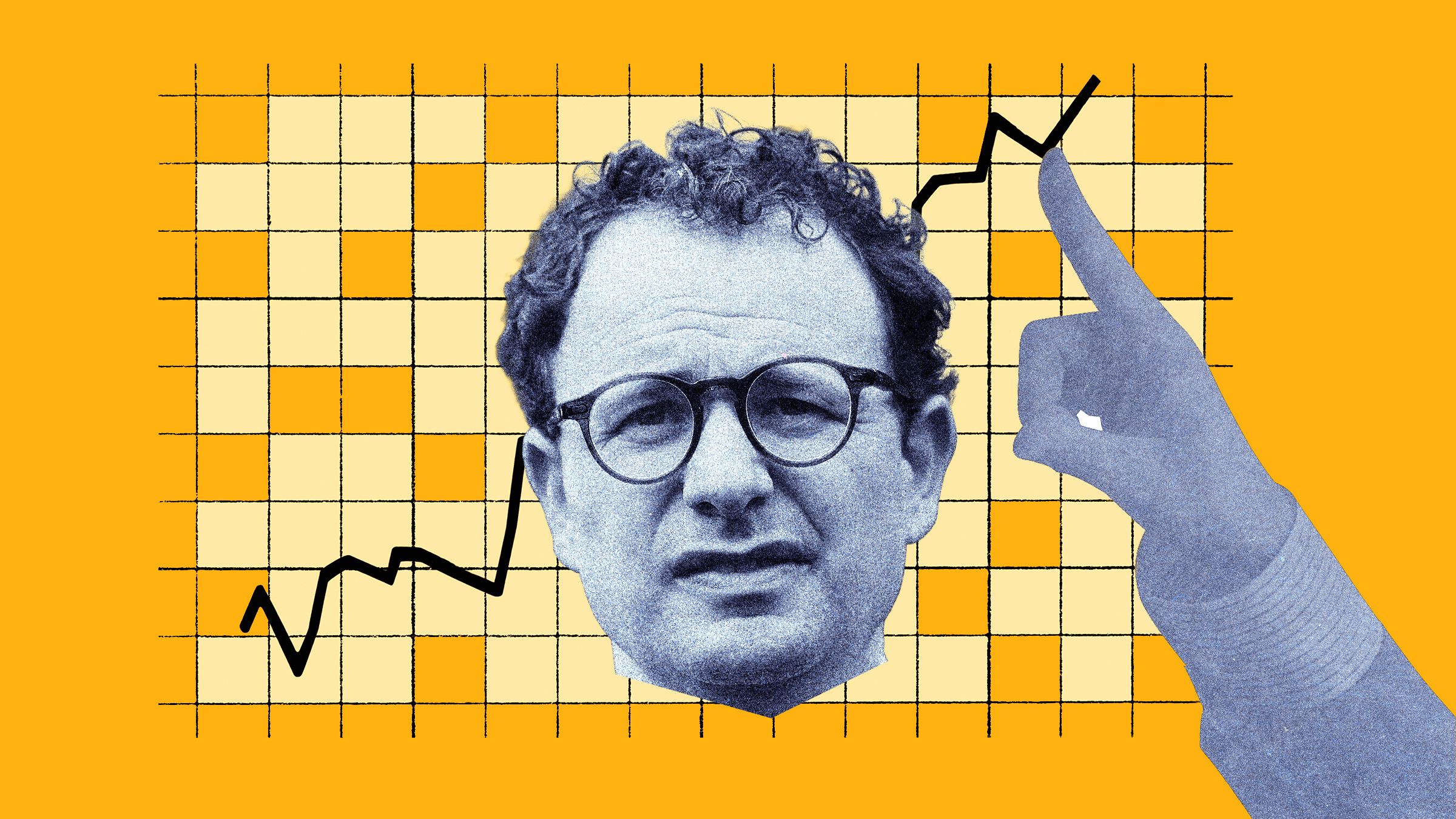
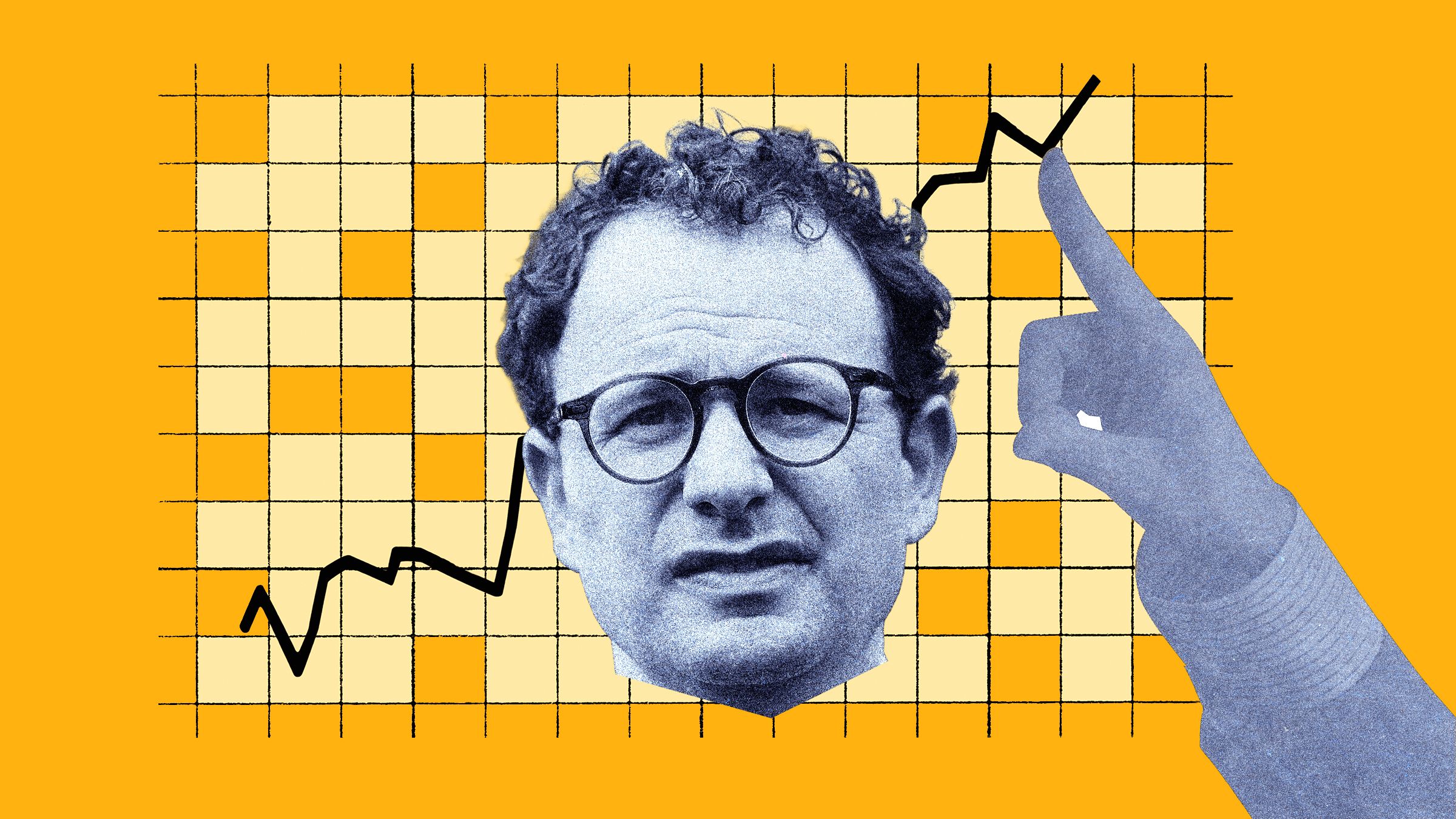
Harvard economist Jason Furman told Axios that if he were to return to his old job as chairman of the White House Council of Economic Advisers today, he would rely on AI tools over staff economists for much of the council's day-to-day analytical work. The big picture: Unsurprisingly, this made some waves in the online discourse, particularly the loose-knit community formerly known as Econ…

Harvard economist Jason Furman has expressed reservations about the increasing reliance on AI tools for economic analysis within the White House Council of Economic Advisers. Furman, who would likely take the position as chairman if he returned to the role today, believes that AI could handle much of the council's day-to-day analytical work.
However, many seasoned economic policy veterans caution against over-reliance on AI. They argue that human economists bring essential skills such as interpreting data for busy policymakers and understanding how reports fit into broader agendas and narratives. Claudia Sahm, a former Federal Reserve economist, highlights the potential loss of junior positions that have historically fostered the development of senior leaders in the field.
Bloomberg's Anna Wong acknowledges the empowering aspect of AI, but warns against a dystopian future where AI supersedes human experts. While some, like Casey Mulligan, argue that AI may augment human labor rather than replace it, ultimately, it's up to current policymakers to ensure that AI and human expertise complement each other effectively in the future.
Written by urgent.news from Axios's reporting — not their text. Machine-written — may contain errors; check the original before relying on it.