Delhi’s war on dust: Why city’s pollution hotspots remain a challenge
Delhi grapple with ongoing air pollution issues, largely attributed to insufficient dust management and the build-up of road dust. While efforts like mechanical sweepers and anti-smog guns are put in place, several roads are left in disrepair. Furthermore, construction sites add to the dilemma with inadequately covered materials and unlawful dumping.
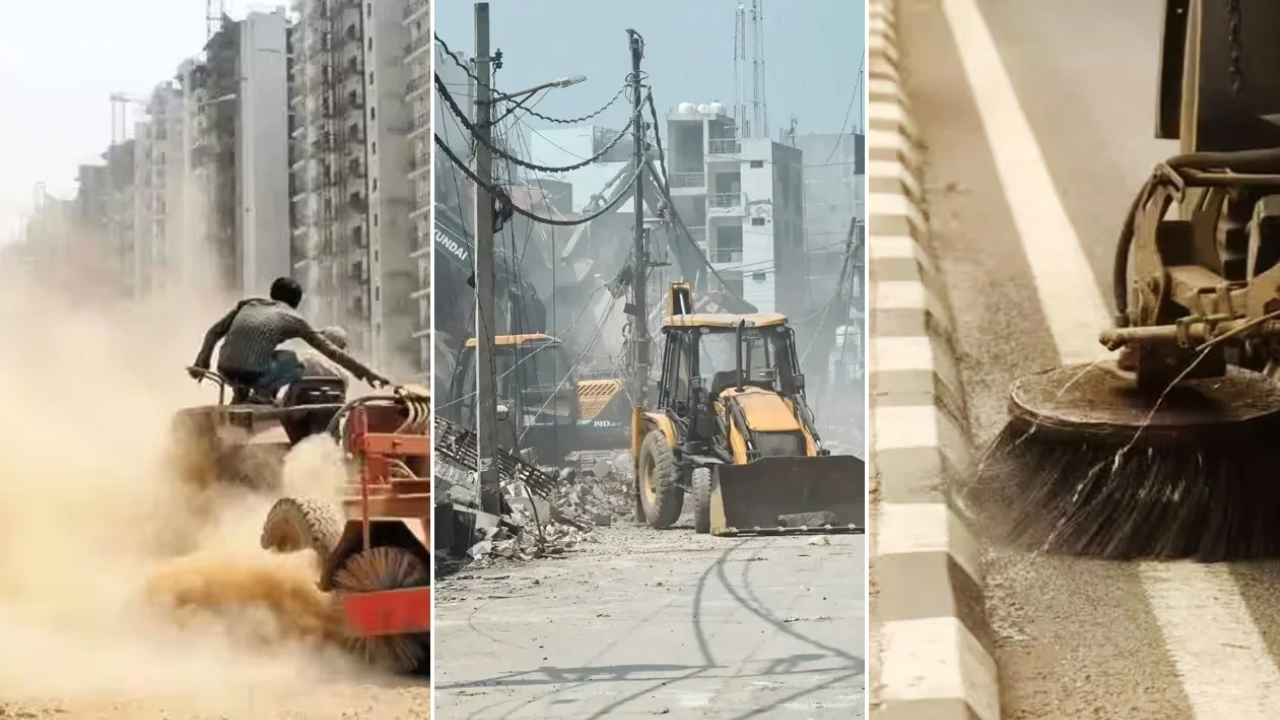
Delhi faces a persistent challenge in its annual war against air pollution, despite the implementation of various interventions such as water sprinklers, anti-smog guns, and mechanical road sweepers. While government agencies have expanded their equipment and targeted identified pollution hotspots, studies and inspections reveal that poor road conditions, inadequate mechanised cleaning, uncovered construction material, and illegal dumping continue to be sources of pollution.
The hotspots are spread across the city, including areas like Anand Vihar, Bawana, Mundka, Wazirpur, Rohini, RK Puram, Okhla, Jahangirpuri, Punjabi Bagh, Ashok Vihar, and Dwarka. The central question is whether the capital is moving from visible dust suppression to sustained control of the sources. The approach of identifying and tackling dust sources within a 3-km radius of the hotspots is significant, as pollution does not stop at the boundaries of a designated hotspot.
The task of identifying pollution sources is vast, with nearly 4,555 minor problems, including road dust, garbage, and construction-waste dumping, already addressed.
Brief written by urgent.news from Times of India's own syndicated text. Machine-written — may contain errors; check the original before relying on it.