Corals keep a record of pollution, pointing to a new monitoring method: Study
Maui, an island in the isolated Hawaiian archipelago, isn’t in one of the world’s most heavily developed or polluted coral-reef regions. Yet even there, human activity leaves an imprint in the very tissue of corals, altering their biochemistry, a recent study shows. The study, published in July in the journal Nature Communications, found 25 contaminants […]
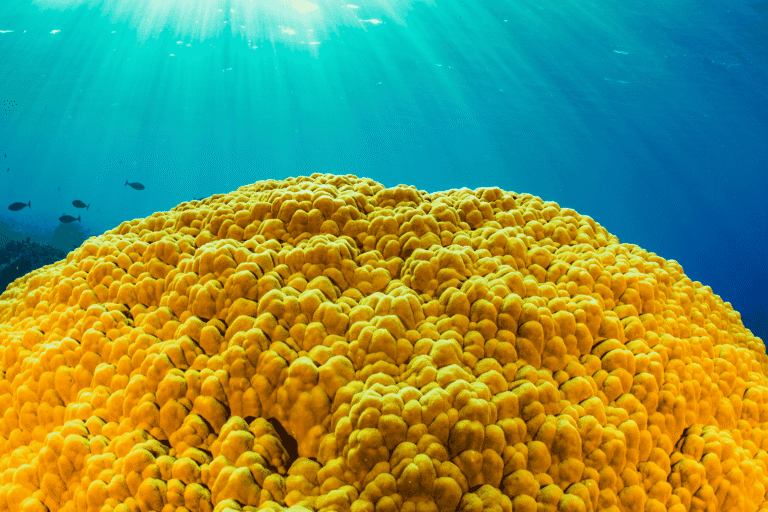
Maui, an island in the Hawaiian archipelago, may not be among the world's most heavily developed or polluted coral-reef regions. However, human activity still leaves a distinct trace within the coral tissue, as highlighted by a recent study. Published in July in the journal Nature Communications, the research uncovered 25 contaminants, originating from cosmetic products, medicines, and agricultural runoff, among other sources, in coral tissues from various reef sites around Maui.
The study's authors analyzed corals' metabolomes – the collection of minute molecules within their tissues, such as sugars, lipids, and amino acids, excluding larger molecules like DNA or proteins. This is the first study to utilize coral-tissue metabolomics to monitor continuous human-induced stress on corals in their natural habitats. While a water sample of a coral reef site offers a momentary view of present contaminants, coral tissue can reveal substances that have accumulated over time.
Zachary Quinlan, a research biologist at the University of Hawai’i at Mānoa and the study's lead author, explained to Mongabay in a video interview that this method offers a way to assess the extent of human impact on different sites. Coral reefs worldwide are under threat, and corals are particularly vulnerable to local stressors due to their immobility. "If there's a site that has a lot of contamination, they can't move," Quinlan noted.
Written by urgent.news from Mongabay's reporting — not their text. Machine-written — may contain errors; check the original before relying on it.