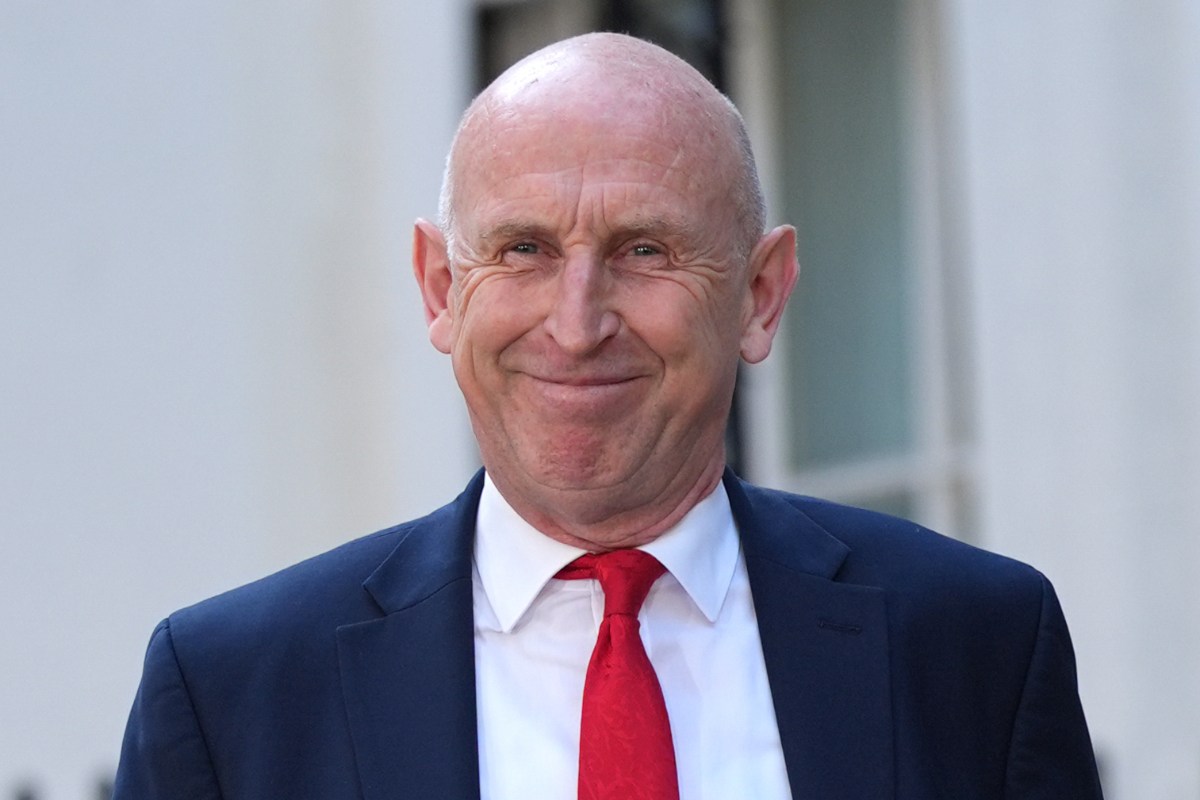
Can John Healey conjure a budget to keep investors’ money in Britain?
By one measure, John Healey’s budget has already been a success. He has avoided the paralysis that hit the UK before his predecessor Rachel Reeves delivered her tax and spending plans in November 2025. That budget had such an agonisingly long build-up that a combination of speculation and leaks caused jitters in financial markets, property transactions ground to a halt, and the wealthy packed…
John Healey's budget has avoided the paralysis that plagued the UK in the past. His more organized approach to budget unveiling has allowed for clearer messaging, unlike his predecessor Rachel Reeves. Healey has stated he will not match Capital Gains Tax to income tax, plans to introduce a fresh levy for banks, and intends to reduce business red tape.
The budget aims to provide short-term relief from the cost of living crisis and prevent wealthy individuals from moving abroad. Healey's goal is to stabilize public finances, which have been strained by spending pressures stemming from the US-Iran war.
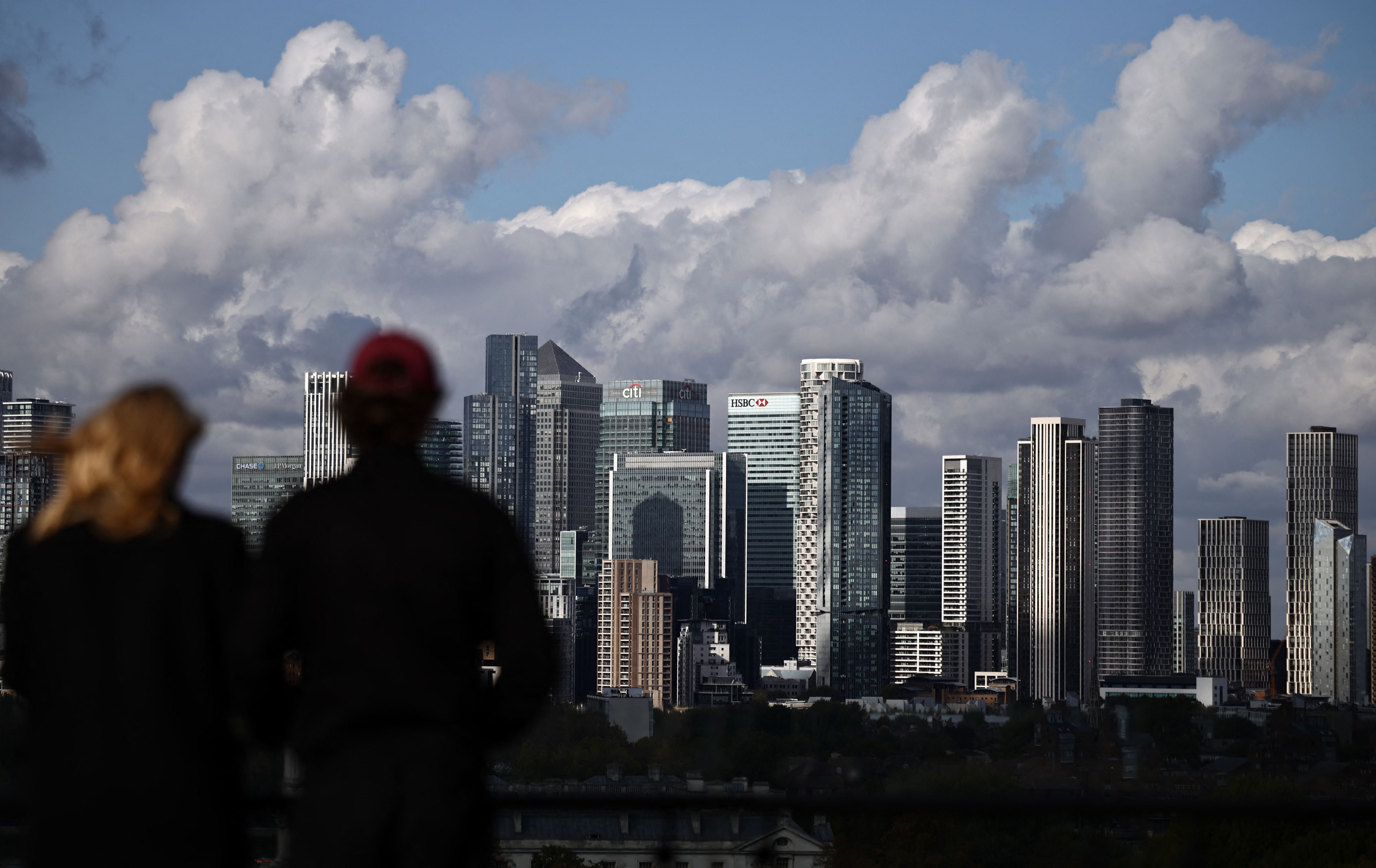
London has seen a positive summer with stable property prices, primarily due to the absence of tax speculation before the budget. Prices in prime central London increased by 0.3% in September for the first time in four years. However, sales of properties above £5 million have dropped significantly since October 2024, when Reeves' first budget was introduced, resulting in an estimated stamp duty loss of £541 million.
Leslie Macleod-Miller, CEO of Foreign Investors for Britain, highlights that the loss is significant and understates the broader economic impact.
Luxury developer Matthew Robertson emphasizes three key budget topics: capital gains tax, wealth tax, and the mansion tax. He argues that the mansion tax is unworkable due to the requirement for revaluing hundreds of thousands of homes. Robertson also believes that reducing the £2 million threshold to £1.5 million would be counterproductive. He advocates for an accompanying reduction in stamp duty to encourage a more efficient and dynamic housing market.
Research by Beauchamp Estates indicates that the most positive impact on London's prime property market came from the autumn budgets of the Boris Johnson and Rishi Sunak governments. In contrast, Liz Truss' mini-budget and Keir Starmer and Rachel Reeves' budget led to declines in sales. After the 2024 budget, sales of properties over £5 million dropped by 16%, and the overall value of deals fell by £1.4 billion.
The 2024 decline in sales is attributed to Conservative policies, including the scrapping of non-doms, which initially planned by Sunak. Jeremy Gee, managing director of Beauchamp Estates, emphasizes that domestic UK and international buyers prefer political, economic, and taxation certainty.
Written by urgent.news from The National Business's reporting — not their text. Machine-written — may contain errors; check the original before relying on it.