Beyond charity: The UAE initiative rewriting the rules of giving
For more than 15 years, the Fatima bint Mohamed Bin Zayed Initiative (FBMI) has been rethinking philanthropy. Founded in 2010 by Sheikha Fatima bint Mohamed, it asks a fundamental question: rather than simply giving money to communities in need, what if aid could create livelihoods that eventually sustain themselves? Its model is deceptively simple: create products people want to buy, connect…
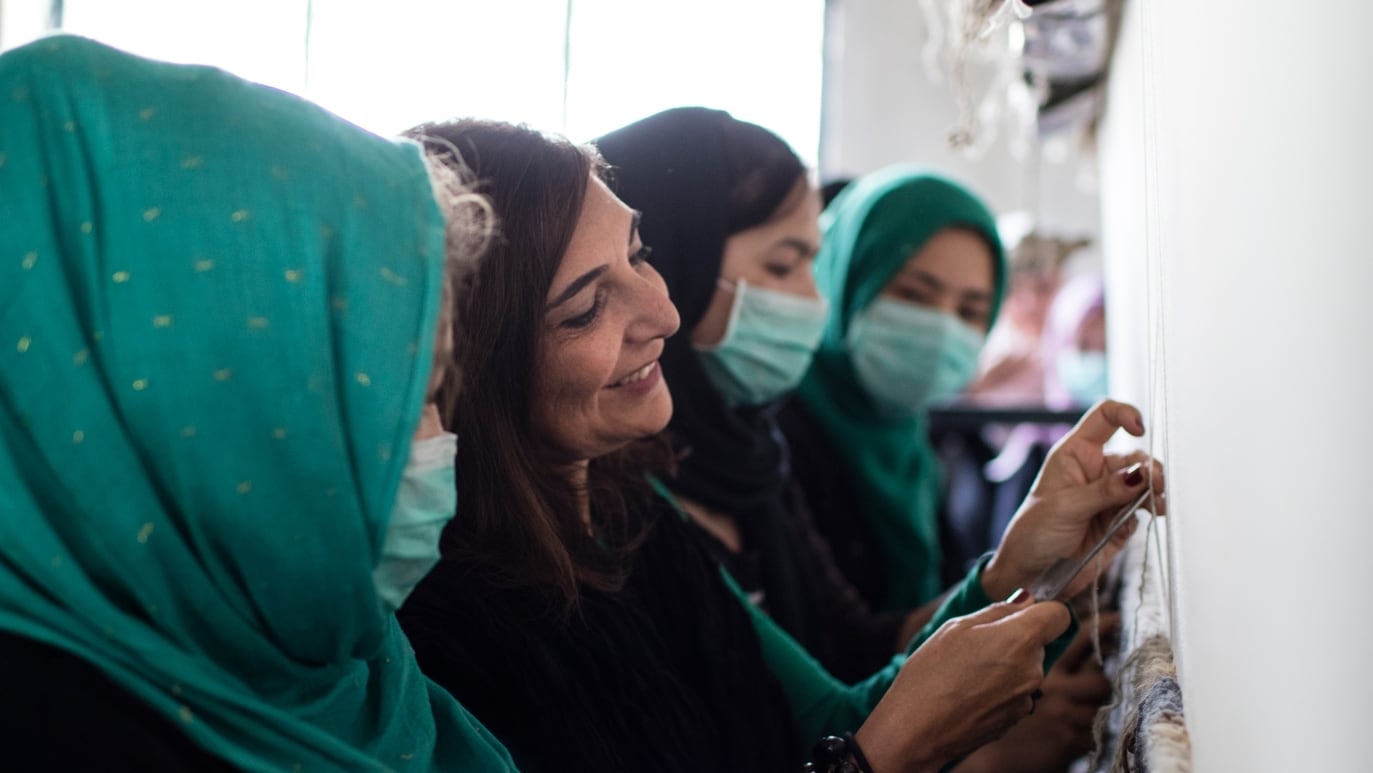
The Fatima bint Mohamed Bin Zayed Initiative (FBMI) has been rethinking philanthropy for over 15 years. Founded in 2010 by Sheikha Fatima bint Mohamed, the model asks whether aid should create sustainable livelihoods instead of simply giving money to communities in need. FBMI's approach is to create products people want to buy, connect makers with international markets, and reinvest profits in healthcare, education, and disadvantaged communities.
CEO Maywand Jabarkhyl believes that profit should be seen positively, as long as it is ethical and responsible.
Unlike traditional philanthropy, which focuses on fundraising, FBMI begins by identifying gaps in the retail market and finding solutions based on consumer demands. The organization trains women in disadvantaged communities to produce goods to international standards, then sells them through a commercial network, reinvesting profits in the broader programme. The initiative has worked with carpet weavers and rural farms, and its client list includes five-star hotels, luxury brands, and Emirates airline.
FBMI's work extends beyond carpets, with strategic advisory activities in healthcare, education, arts, and culture, and a portfolio of social enterprises. In healthcare, it reaches more than 25,000 people monthly with mother-and-child clinics and vaccination programs. Other projects focus on sanitation, water access, Tanzanian farmers, and digital education for Afghan girls. FBMI has collaborated with UN agencies, including Unicef and UNHCR, and with artists such as Zaha Hadid and Norma Kamali.
The organization is now aiming to establish handmade carpet weaving within the UAE's cultural landscape. In Abu Dhabi, FBMI is developing a centre for arts, crafts, heritage, and design, exploring how traditional materials and techniques can adapt to a contemporary market. Another project, Intimaa: Sacred Threads, involves UAE residents and artists designing carpets for women in Afghanistan, which will be exhibited and auctioned.
FBMI also hopes to revive traditional Emirati weaving methods, such as Talli and Al-Sadu, which are UNESCO Intangible Cultural Heritage.
The organization's commercial model is expanding to another 50 regions, with research underway in Kenya, Senegal, and Kurdistan. FBMI's market-first philosophy may be its most radical proposition: consumers should buy products because they are good, and the social impact will follow. This approach is already generating a nine-figure revenue, which supports FBMI's healthcare, education, research, and development programs.
The organization hopes its model will become more common, replacing the traditional expectation of seeking more funding each year.
Written by urgent.news from The National Business's reporting — not their text. Machine-written — may contain errors; check the original before relying on it.
This story
This is one outlet's version. Read the fullest account.
- Beyond charity: The UAE initiative rewriting the rules of giving thenationalnews.com