Bahn: Rechnungshof sieht Fehlentwicklungen bei Bahn-Sanierungen
Mit „Korridorsanierungen“ soll das teils marode Schienennetz auf Vordermann gebracht werden. Der Rechnungshof aber fordert Nachsteuerungen.
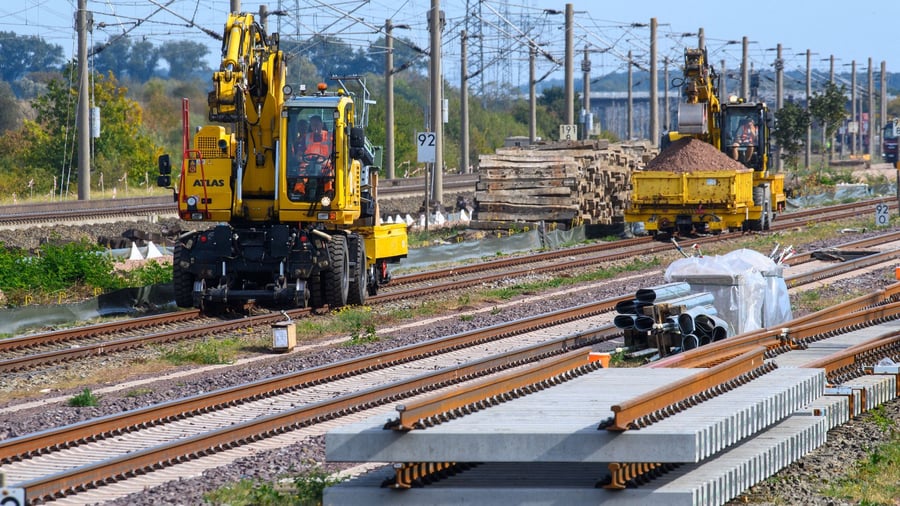
The German Federal Audit Office (Bundesrechnungshof) has criticized Deutsche Bahn (DB) for significant shortcomings in the rehabilitation of heavily used railway lines. According to a report to the Bundestag's budget committee, initial corridor rehabilitation projects are showing serious flaws. The audit office found the previous economic assessments to be "flawed and unverifiable." The report came before Deutsche Presse-Agentur.
The DB's DB InfraGO subsidiary largely failed to meet promises, according to the report. The audit office emphasizes the necessity of "consequent follow-up" to correct existing deficiencies in economic assessments and success monitoring. The federal ministry of transport confirmed the audit office's findings, stating that they confirm existing deficits in economic assessments and success monitoring.
The corridors rehabilitation approach aims to revitalize heavily used tracks in the coming years. After initial problems, DB and the federal government announced less rehabilitation of tracks over the next five years. The rehabilitation of completed tracks often resulted in delayed trains. The corridors rehabilitation plan involves blocking heavily used tracks for months to perform extensive repairs, which should make them less prone to breakdowns and improve punctuality across the network.
However, the audit office called for proof of economic viability and the resolution of identified deficiencies. The audit office criticized the lack of a solid decision-making basis for the billions invested in corridors rehabilitation. The budget committee lacked essential information to perform its parliamentary budgetary and supervisory responsibilities.
Increased costs were noted for the first completed corridors rehabilitation, and DB reduced the "construction freedom" period from ten to five years. The five-year construction freedom is already not met due to subsequent works and the elimination of defects.
Written by urgent.news from Handelsblatt's reporting — not their text. Machine-written — may contain errors; check the original before relying on it.