Anika Fajardo on Connecting With Her Colombian Heritage Through Magical Realism
I discovered magical realism when I was sixteen, the same summer I began a correspondence with my Colombian father. Up to that point, I had lived entirely removed from my birthplace in Colombia. It was the 1980s and I was
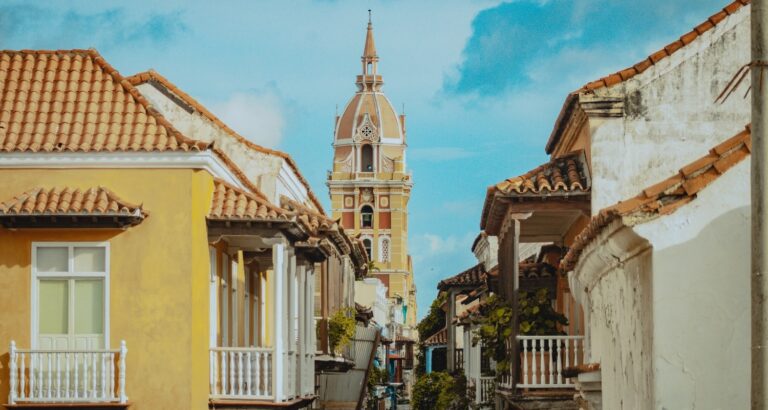
Anika Fajardo discovered magical realism when she was sixteen years old, coinciding with her initiation of a correspondence with her Colombian father. Up until that point, she had lived entirely separate from her birthplace in Colombia, growing up in suburbia in Minnesota's predominantly white neighborhoods and spending summers at her grandparents' isolated cabin in northern Minnesota's woods.
Her understanding of her father and Colombian origins was limited to news reports of kidnappings and guerrillas, as well as grainy photos in her mother's albums depicting a pastoral Colombia. It was during this period of confusion and teenage angst that Fajardo wrote her first letter to her father, which she clandestinely mailed while bearing no knowledge of how it would reach him.
Her father and mother met in Colombia in the 1970s, getting married and moving back and forth between the United States and Colombia, where they eventually had Fajardo. The photos of her as a baby showcase her time spent playing in the weedy garden with banana leaves as the backdrop. At nearly two years old, her mother took her back to the United States due to an acrimonious divorce, leading to Fajardo growing up without any contact with her father.
Fajardo's exploration of Latin American literature, particularly works by Isabel Allende, Laura Esquivel, and Gabriel García Márquez, provided her with a deeper connection to her Colombian heritage and a better understanding of herself. These novels, with their blend of reality and fantasy, mirrored her own experiences and emotions—food, family, love, regret, and political strife.
Magical realism, as a literary tool, adds elements of the fantastical in otherwise ordinary, realistic settings, allowing writers to capture truth as they understand it. In Fajardo's case, her father's words and the novels she read seemed to come alive around her, creating a vivid connection between her Colombian roots and her own life.
Written by urgent.news from Literary Hub's reporting — not their text. Machine-written — may contain errors; check the original before relying on it.