AI Scribes Improved Note-Taking Time but Not Productivity, Study Finds
(MedPage Today) -- The use of an artificial intelligence (AI)-driven ambient scribe in outpatient practice was associated with reductions in time spent taking notes and increased note length, but other productivity measures were largely unchanged...
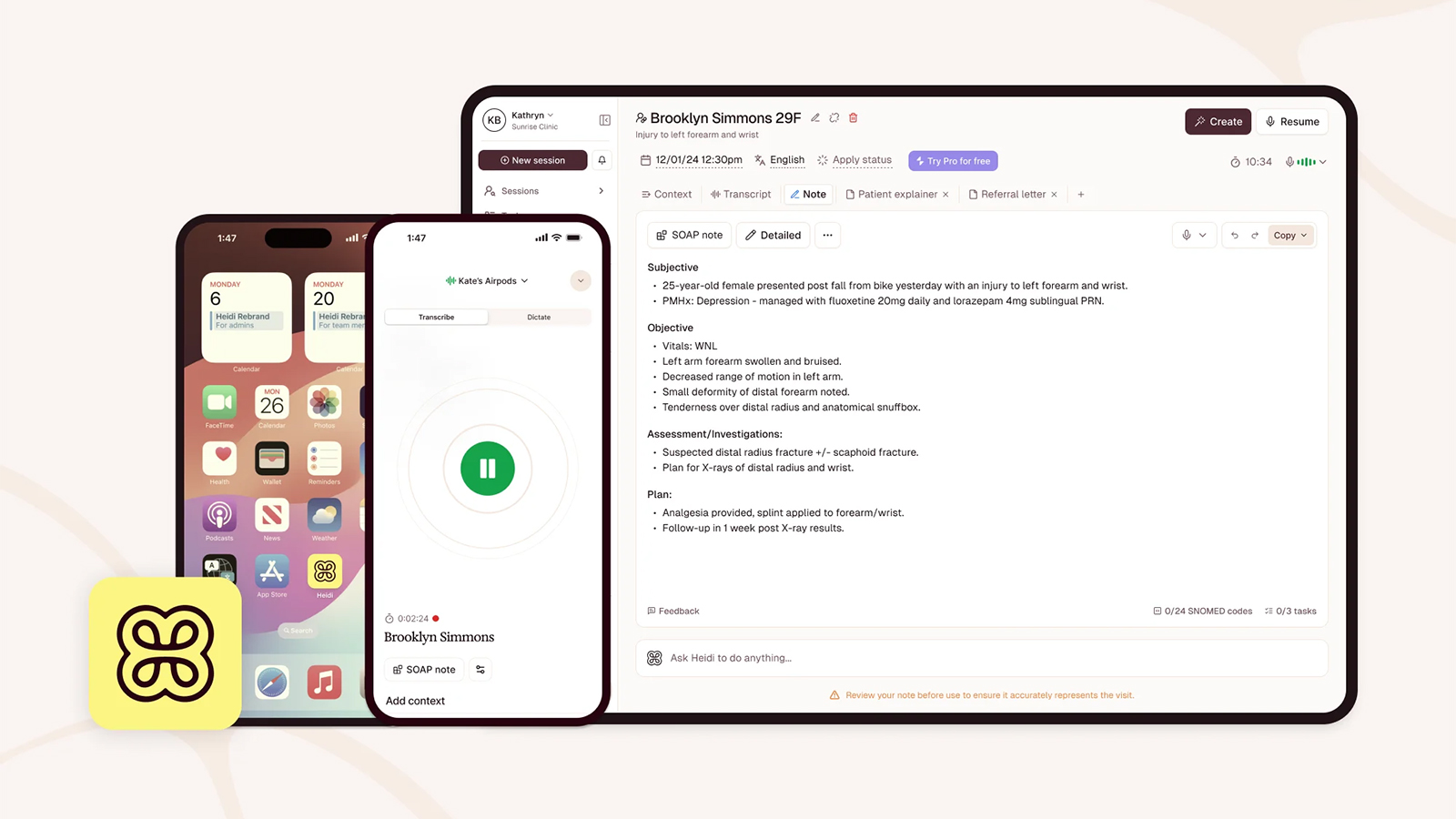
An artificial intelligence (AI)-driven ambient scribe called Heidi was tested in outpatient practice settings and found to reduce the time clinicians spend actively taking notes, from 21 minutes to 18.6 minutes. Note length also increased, from 4,854 characters to 5,187 characters. However, other productivity measures, such as same-day and after-hours note closure, as well as overall clinical productivity, showed no significant changes.
The study suggests that ambient scribes may help alleviate the burden of documentation-related clinician burnout, which affects 43.2% of clinicians in 2024. While ambient scribes can reduce documentation time, they may also lead to unintended consequences, such as longer notes and increased editing time required by clinicians. The study analyzed the introduction of Heidi into a 14-hospital health system and found that high users saw a larger immediate reduction in note-active time compared to low users and nonusers.
However, the study's observational design and inability to distinguish between AI-scribed and clinician-authored notes limit the conclusions that can be drawn about the impact of ambient scribes on documentation quality and clinician productivity.
Written by urgent.news from MedPage Today's reporting — not their text. Machine-written — may contain errors; check the original before relying on it.