A guide to the key ballot measures voters will decide on Election Day
When Americans cast their ballots in this year's midterm elections, they'll not only be picking who represents them in Congress, but also weighing in on a range of topics that could change their state laws and constitutions.
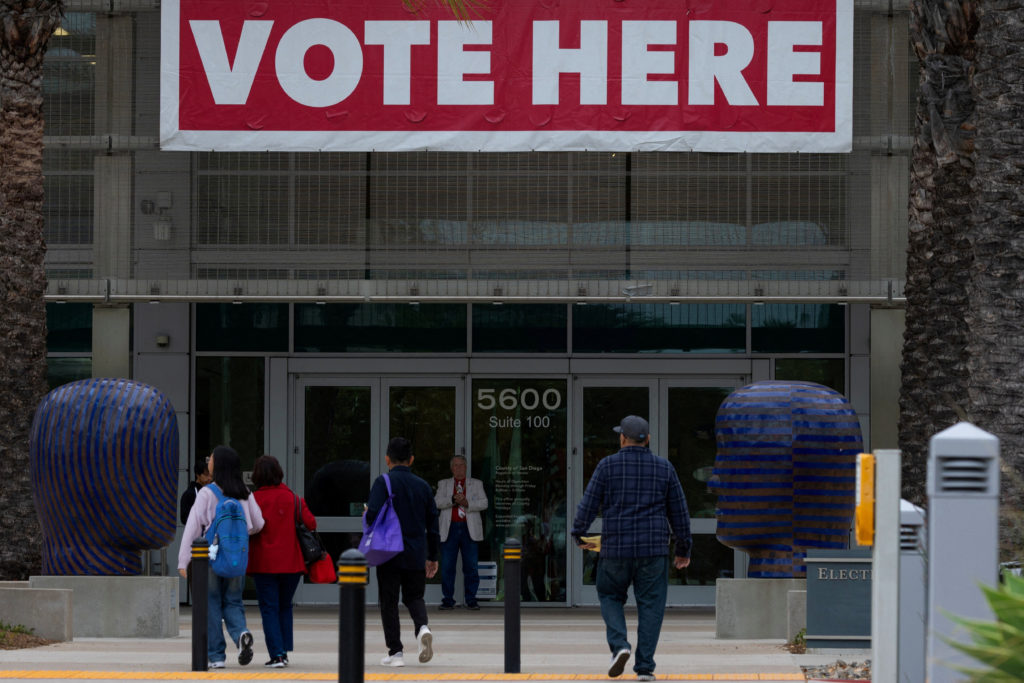
In the upcoming midterm elections, American voters will not only choose their representatives in Congress, but also weigh in on a variety of issues that could alter state laws and constitutions. In 39 states, citizens will decide on a multitude of measures, totaling 145 initiatives nationwide. California and Colorado lead the pack with 14 measures each.
For instance, voter turnout can sometimes be boosted by placing initiatives on the ballot. Rick Hasen, a professor of election law at the University of California, Los Angeles, explains that this is often done to encourage participation, given that midterm elections typically see lower voter turnout than presidential ones.
Ballot measures can either create new constitutional amendments or laws, or repeal existing policies. The path to getting a measure on the ballot varies from state to state. For example, in California, citizens can bypass the state legislature and place their proposed initiatives directly on the ballot. Other states, however, require legislators to vote to include a measure.
The threshold for passing a ballot measure also differs. In Florida, constitutional amendments need 60% voter approval, while in Nevada, such amendments must be approved by voters in successive elections.
In November, five states will vote on the processes governing their ballot measures. Notably, six states - Alaska, Arizona, Arkansas, Kansas, South Dakota, and West Virginia - are considering amendments to their state constitutions or laws to explicitly state that only U.S. citizens can vote in state elections.
Meanwhile, in five states - Arizona, California, Colorado, Nevada, North Carolina, and Ohio - voters will decide on amendments to their state constitutions that require photo ID for in-person or mail-in voting. This is in line with President Trump's controversial SAVE America Act, which aimed to make voter ID a federal requirement.
The right of transgender individuals is also on the ballot in several states. In Arizona and Colorado, measures seek to limit the rights of trans athletes, while Washington proposes a statute that would require trans girls to provide a doctor's note verifying their biological sex to participate in girls' sports.
In Missouri and Colorado, measures prohibit gender-affirming surgery for trans minors. The U.S. Supreme Court recently upheld a similar Tennessee law.
Finally, over two dozen ballot measures across the country will touch on taxes. Californians will decide on a one-time 5% wealth tax on billionaires and whether to retain income tax rates beyond their current levels.
Written by urgent.news from PBS NewsHour's reporting — not their text. Machine-written — may contain errors; check the original before relying on it.