A billionaire’s private zoo may hold the world’s rarest great ape as India becomes a top destination for trafficked primates
The global illegal wildlife trade is estimated to be worth $34 billion annually, and India is emerging as an important market.
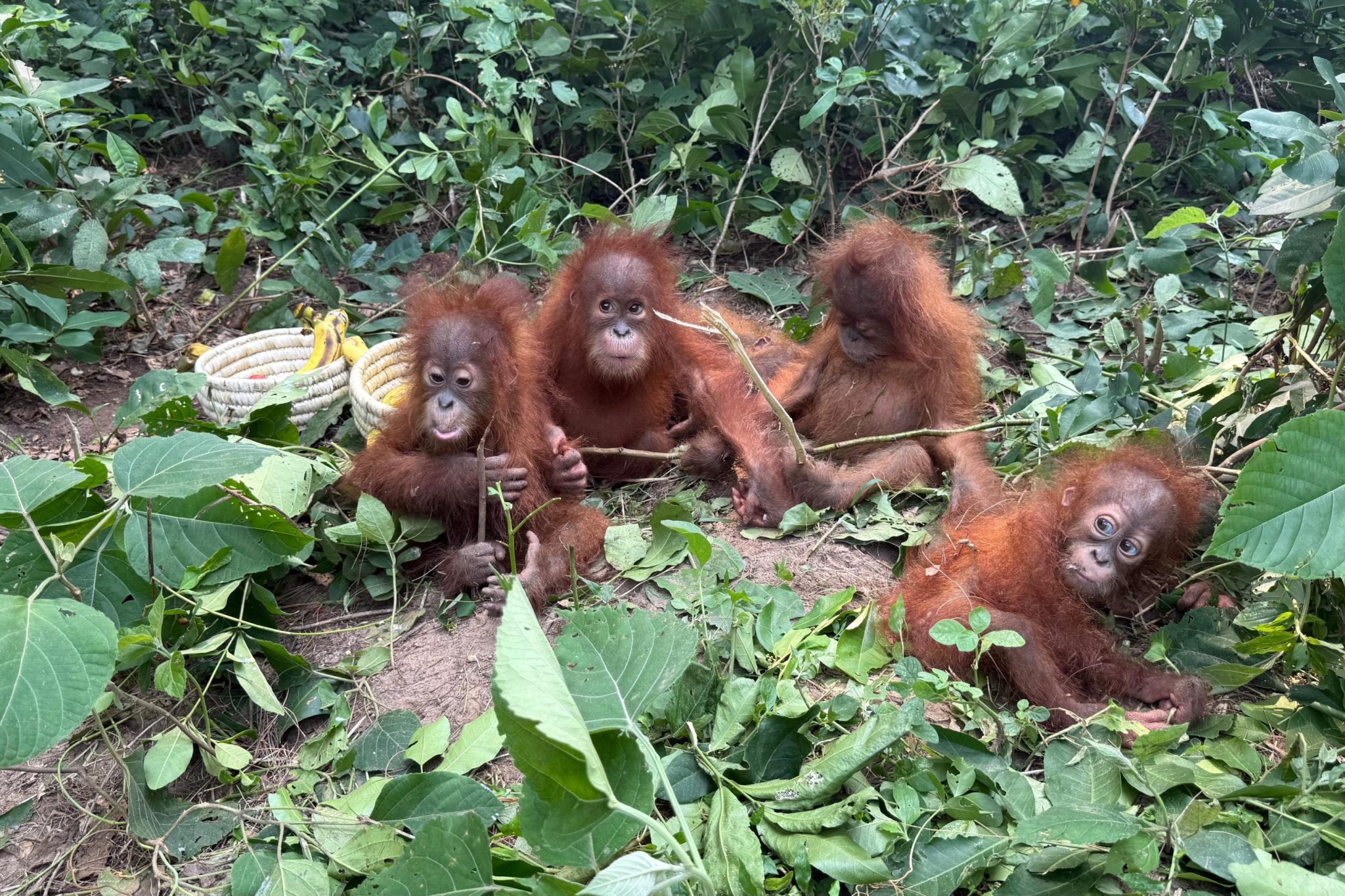
Five baby orangutans, aged between 6 to 8 months and with reddish hair, were discovered in a casuarina forest in India's eastern Odisha state in early September. The apes, which are critically endangered due to severe habitat loss, were found far from their native Borneo and Sumatra rainforests, indicating a surge in illicit trade of these apes into India. They are currently under the care of Indian zookeepers, who have been playing classical music to soothe the young apes.
Orangutans are native to the islands of Borneo and Sumatra, where they play a crucial role in maintaining rainforests by dispersing seeds and enabling tree regeneration. There are approximately 119,500 orangutans left in the wild. The global illegal wildlife trade is estimated to be worth $34 billion annually, with India emerging as a significant market for trafficked primates.
India's wildlife laws have been primarily focused on protecting native species, which presents challenges in controlling the trade of exotic animals. Illegal wildlife seizures have been reported in India since 2022, including juvenile Sumatran orangutans and young orangutans in Mumbai. In 2025, at least 23 gibbons were seized at Indian airports, and Egyptian authorities recently seized three India-bound baby chimpanzees.
Wildlife trafficking experts suggest that wealthy collectors in India are driving the demand for exotic animals as status symbols. India's exotic wildlife trade and Southeast Asian trafficking routes are influenced by the growing demand for rare animals and expanding tourism, which facilitates faster but riskier direct flights to India.
Concerns have been raised about legal trade exceptions for captive-bred animals, with India importing 41 orangutans between 2021 and 2024. Gaps in controls on imported animals complicate efforts to trace the origins of exotic wildlife. In 2022, India tightened its wildlife laws, but loopholes and corruption remain concerns.
The Orangutan Information Centre in Indonesia is pushing for active steps to repatriate the five baby orangutans found in India, after it successfully returned one orangutan from Thailand. However, no official response has been received from India's CITES authority regarding these repatriation efforts.
Written by urgent.news from Fortune's reporting — not their text. Machine-written — may contain errors; check the original before relying on it.
This story
This is one outlet's version. Read the fullest account.
- Revenue of 51 cos in ASK Private Wealth Hurun India Gazelle index jump 50% in one year thehindubusinessline.com