179 ports on paper, seven days at the gate: Inside Africa’s cargo bottleneck
Africa has 179 mapped maritime ports, but access alone does not make freight affordable. DHL’s Toby Maier explains how customs delays, port bottlenecks and unreliable inland connections drive up the cost of moving goods.
Africa is home to 179 ports, according to a database published in December 2025. However, having physical access to a port does not guarantee affordable freight. Shipping containers must clear quay cranes, customs bureaucracy, and connect to inland road or rail networks before reaching their final destination. A bottleneck at any stage can turn a routine delivery into an expensive ordeal.
Toby Maier, CEO for the Middle East and Africa at DHL Global Forwarding, reported that a haulage truck waiting to pick up an import container can spend up to seven days outside the port gate. During this time, driver wages continue to accrue, fleet utilisation drops, and port storage fees are added to the bill. Maier attributes these costly logistics issues not to a lack of berths, but to friction in the operational chain connecting ships, quaysides, customs authorities, and domestic distributors.
While Africa boasts 179 ports, the database also lists 132 inland river ports and dry docks, but these figures represent physical facilities rather than efficiency. A terminal's commercial value lies in its dwell velocity and clearance predictability, not its physical presence on a maritime chart. Maier contrasts this with Abu Dhabi's state-of-the-art facilities where container collection takes only 15 minutes.
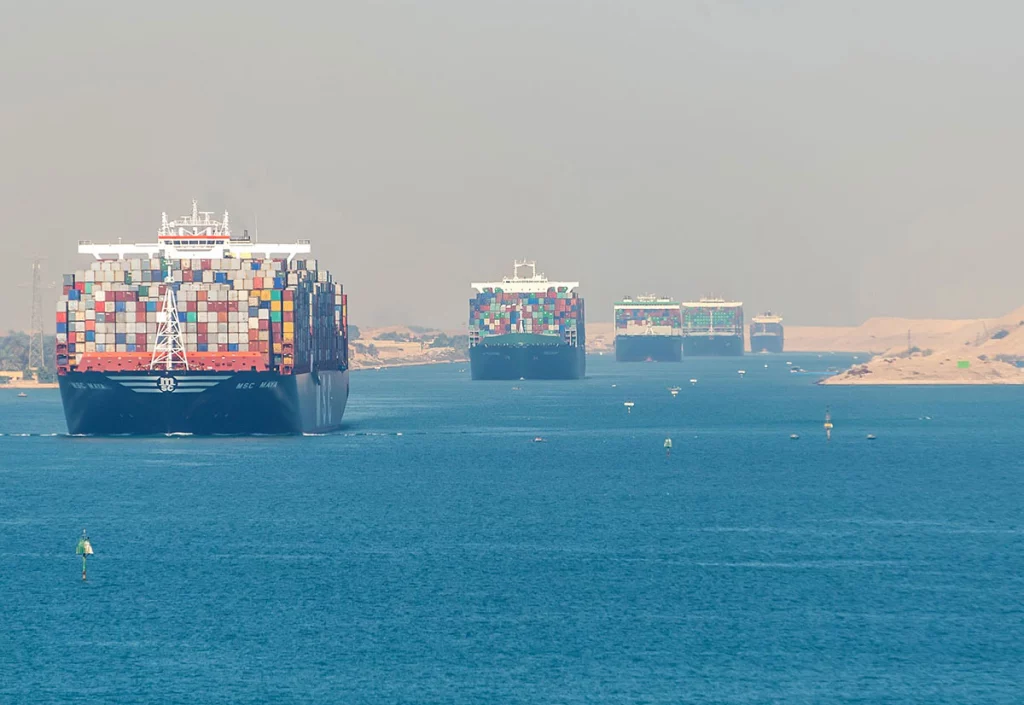
The disparity highlights a structural commercial reality: freight invoices punish shippers for wasted time as much as for travel distance. Ships passing through the Suez Canal were delayed or rerouted due to Middle Eastern conflicts. Maier identified several sources of expense: inadequate infrastructure, inconsistent clearance procedures, documentation problems, and limited transport capacity.
Technology, such as Morocco's APM Terminals MedPort Tangier, which uses remote-controlled cranes and automated systems, can improve cargo handling. However, automating a terminal alone does not resolve broader supply chain issues. For Africa's 16 landlocked nations, domestic delays at sovereign borders compound international inefficiencies.
UNCTAD reported that these nations face freight costs 50% higher than world averages and twice the transit times of coastal neighbours. Addressing these bottlenecks requires upgrading coastal terminals and improving inland infrastructure, such as roads and customs protocols.
Written by urgent.news from TechCabal's reporting — not their text. Machine-written — may contain errors; check the original before relying on it.