Your ESP32 has PSRAM sitting there unused, and most tutorials forget to mention it
There's a lot you can do with this overlooked component
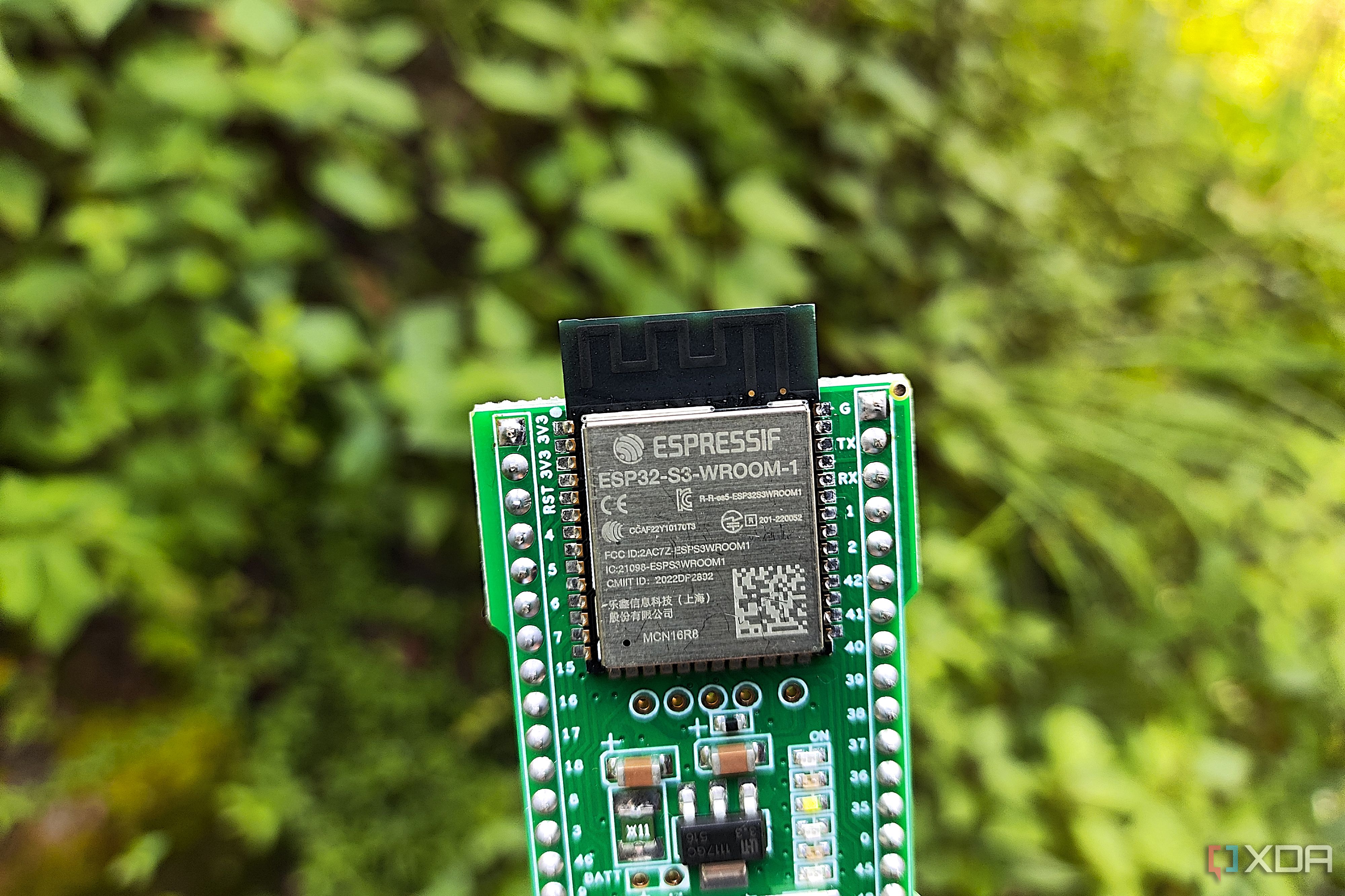
ESP32 microcontrollers often come with an overlooked feature: PSRAM (Pseudo-Static Random Access Memory). This additional RAM, available on specific ESP32 boards, can expand the working memory beyond the standard SRAM. While not as impressive as USB support or Thread and Zigbee connectivity, PSRAM proves useful in advanced projects.
ESP32-S3 modules typically ship with 512KB of SRAM, but PSRAM options range from 8MB to 16MB. The main drawback is slower read speeds compared to SRAM, but this is mitigated by the hardware cache. For projects like a GUI-laden dashboard or a security system with an ESP32-CAM module, PSRAM is essential for handling large frame buffers and video streams.
Similarly, projects involving decoding MP3 streams or DSP pipelines also benefit from the extra memory. PSRAM is particularly useful for edge LLMs like the Cactus Compute Needle 3, as the 512/520KB SRAM is insufficient. However, even simple projects may find PSRAM beneficial. For instance, when using ESPHome to connect an ESP32-CAM to a Home Assistant hub, enabling PSRAM allows the device to send temperature and humidity readings without any performance issues.
Configuring PSRAM is straightforward on most firmware flashing utilities, such as ESPHome, Arduino IDE, and ESP-IDF.
Written by urgent.news from XDA Developers's reporting — not their text. Machine-written — may contain errors; check the original before relying on it.