Your body makes its own cannabis-like chemicals as you run, and neuroscience research finds they keep rising all the way to the marathon finish line, a possible clue to the runner’s high
Most research on the runner’s high has looked at workouts under an hour. New research on marathoners and ultramarathoners found the body’s cannabis-like chemicals remain active through hours of running.
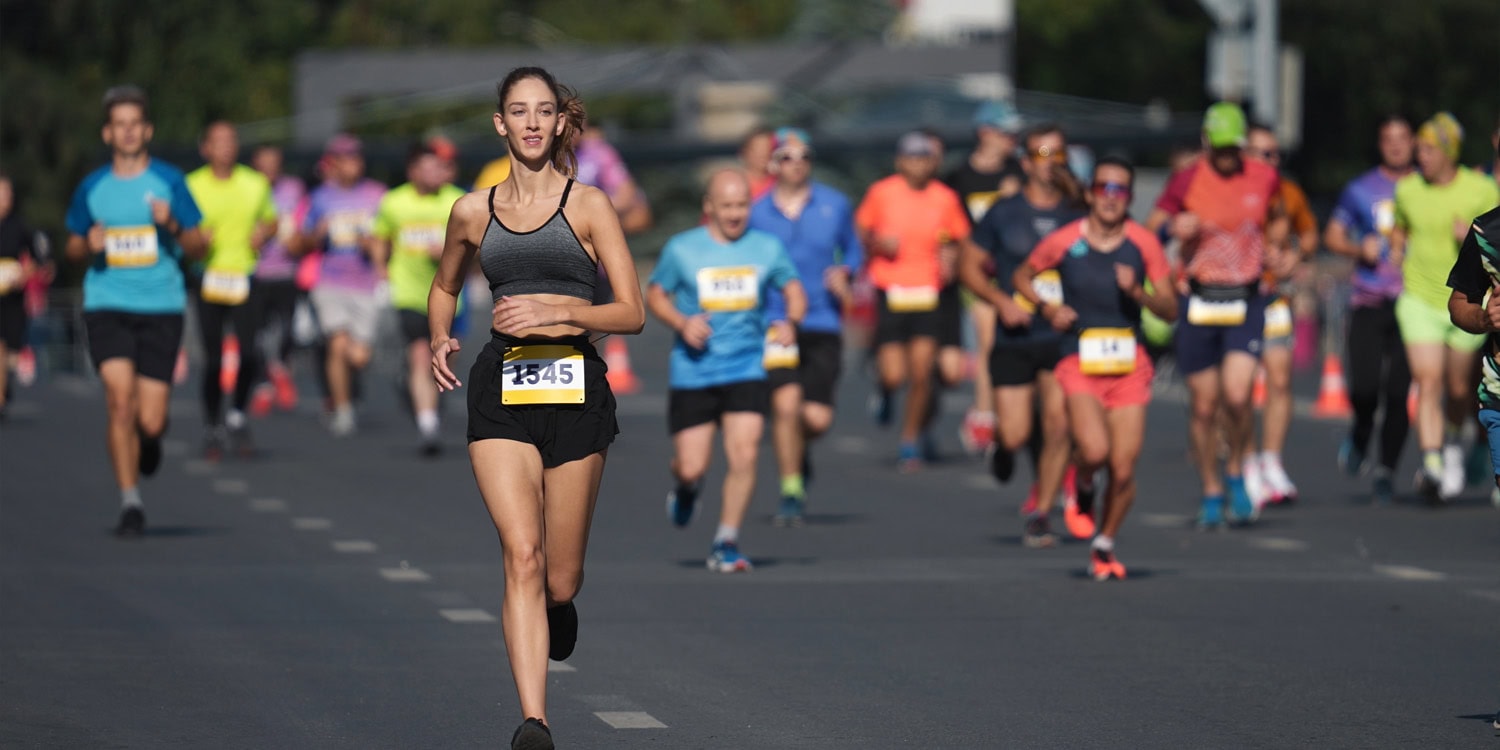
New research published in BMC Medicine reveals that the body produces cannabis-like chemical messengers, known as endocannabinoids, during endurance exercise like long-distance running. One of these compounds, anandamide, consistently increases throughout a marathon and remains elevated for up to 45 minutes after the finish line.
This discovery could provide insight into the phenomenon commonly referred to as the "runner’s high," which is characterized by feelings of euphoria, reduced anxiety, less pain, and a sense of calm. The study, led by psychiatrist Michael Siebers from LVR University Hospital Essen, aimed to investigate the role of the endocannabinoid system during prolonged endurance efforts, as prior research mainly focused on shorter workouts.
The researchers conducted two field studies involving trained endurance athletes who participated in either a marathon or an ultramarathon covering up to 230 kilometers. Blood samples were collected at various intervals during the races, and participants rated their levels of euphoria, anxiety, and physical pain. The study found that anandamide, a primary endocannabinoid, rose progressively throughout the marathon, reaching higher levels during running than during walking, and staying elevated 45 minutes after the race.
Another endocannabinoid, 2-arachidonoylglycerol (2-AG), initially had lower levels during the marathon but increased during the final kilometers and remained elevated during early recovery. Similar patterns were observed in the ultramarathon runners, with both anandamide and 2-AG concentrations being higher after the races compared to pre-race levels.
These results suggest that the endocannabinoid system plays a role in the physiological and emotional responses to long-distance running, contributing to the reported runner’s high.
Written by urgent.news from PsyPost's reporting — not their text. Machine-written — may contain errors; check the original before relying on it.