Your aircon isn’t cleaning your air, and bowls of water won’t either: What haze does indoors
KUALA LUMPUR, Oct 26 — Keeping windows and doors shut during haze can help limit polluted air entering homes, but...
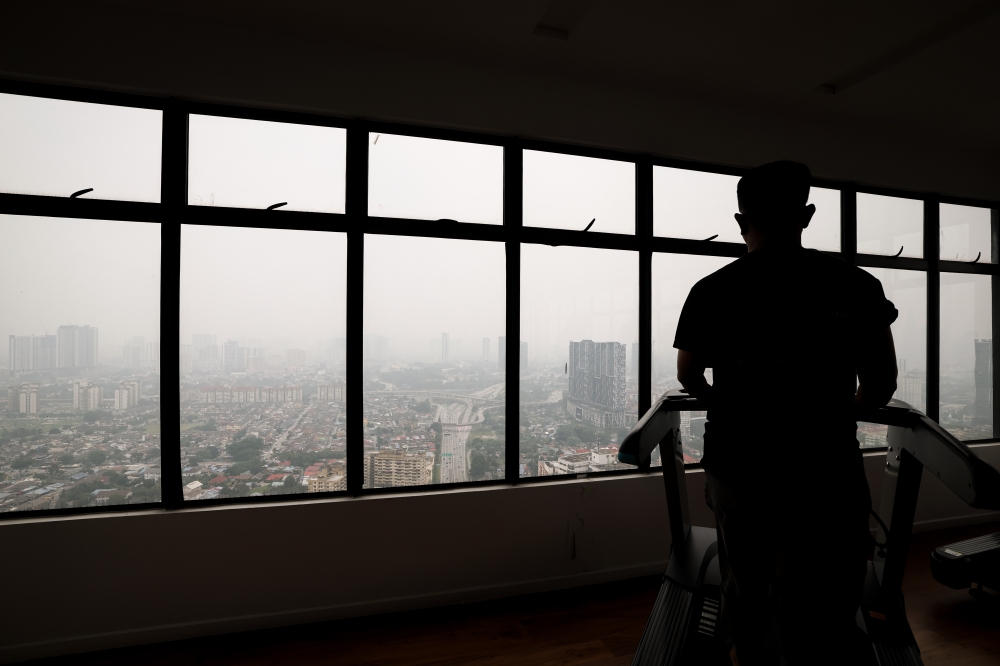
KUALA LUMPUR, October 26 — Two indoor air quality specialists have warned that air conditioners do not effectively clean indoor air during haze, and that simply keeping windows and doors closed is not sufficient to protect occupants from fine particles. Syida Nasri, a specialist in indoor air quality, stated that fine particulate matter (PM2.5) could infiltrate homes through gaps around windows, doors, and other openings, even when they are shut.
She emphasized that merely staying indoors is not enough to shield against haze. PM2.5 particles are small enough to reach deep into the lungs and remain suspended in the air for extended periods, causing inflammation and other health issues. The levels of PM2.5 inside a closed home are about half of those outdoors, but these fine particles can go unnoticed without an indoor air quality sensor, as they do not cause any immediate discomfort.
On the other hand, Tan Zhi Shen, the CEO of Applied Air Quality Specialists Sdn Bhd, noted that most households do not necessarily need an air purifier, especially if there are no pre-existing respiratory conditions or unusual sensitivities. He suggested that the primary concern should be larger particles, such as PM10 and PM5, which can cause coughing.
The necessity for a purifier depends on various factors, including the home's size and layout. Both specialists agreed that residents should monitor indoor air quality and minimize pollution sources, but their opinions differed on the extent to which ordinary homes can provide protection. Syida stressed the importance of ventilation, particularly during heavy haze, as cooking, cleaning, and bathing introduce pollutants and moisture inside the home.
However, during a severe haze, the priority should be to keep outdoor pollution out by closing windows and doors. Syida cautioned that merely shutting windows and doors does not create an airtight barrier, and exposure can still occur. She advised opening windows when outdoor air improves, such as after rain or when the haze clears, and reducing activities that produce indoor pollutants, such as frying or smoking.
Burning incense, candles, or cigarettes indoors should be avoided, as they can exacerbate the problem, as incense can be a significant source of particulate pollution. Kitchen hoods and bathroom exhaust fans that vent outdoors should also be used cautiously, as the expelled air must be replaced, potentially drawing polluted air in through gaps.
Both specialists urged residents to monitor indoor air quality using an air quality monitor instead of relying on visual cues from the outside haze. They emphasized that even a basic monitor could help track trends, although its readings might not be entirely accurate. Tan advised that most people would not need a purifier unless they have respiratory problems or other health concerns.
However, households with indoor pets might benefit from purifiers, as they help clear fur from the air, while animal waste must still be removed.
Written by urgent.news from Malay Mail's reporting — not their text. Machine-written — may contain errors; check the original before relying on it.
This story
This is one outlet's version. Read the fullest account.