Will China’s 4 peace principles for tackling African conflicts work?
Beijing has a formula for tackling African conflicts and hot-button issues, and during a meeting this month with Togolese leader Faure Gnassingbe, Chinese President Xi Jinping outlined it in four principles linking peace to development. The principles entail focusing on African-led security free from outside intervention; upholding sovereignty and UN Charter principles; rejecting force and…
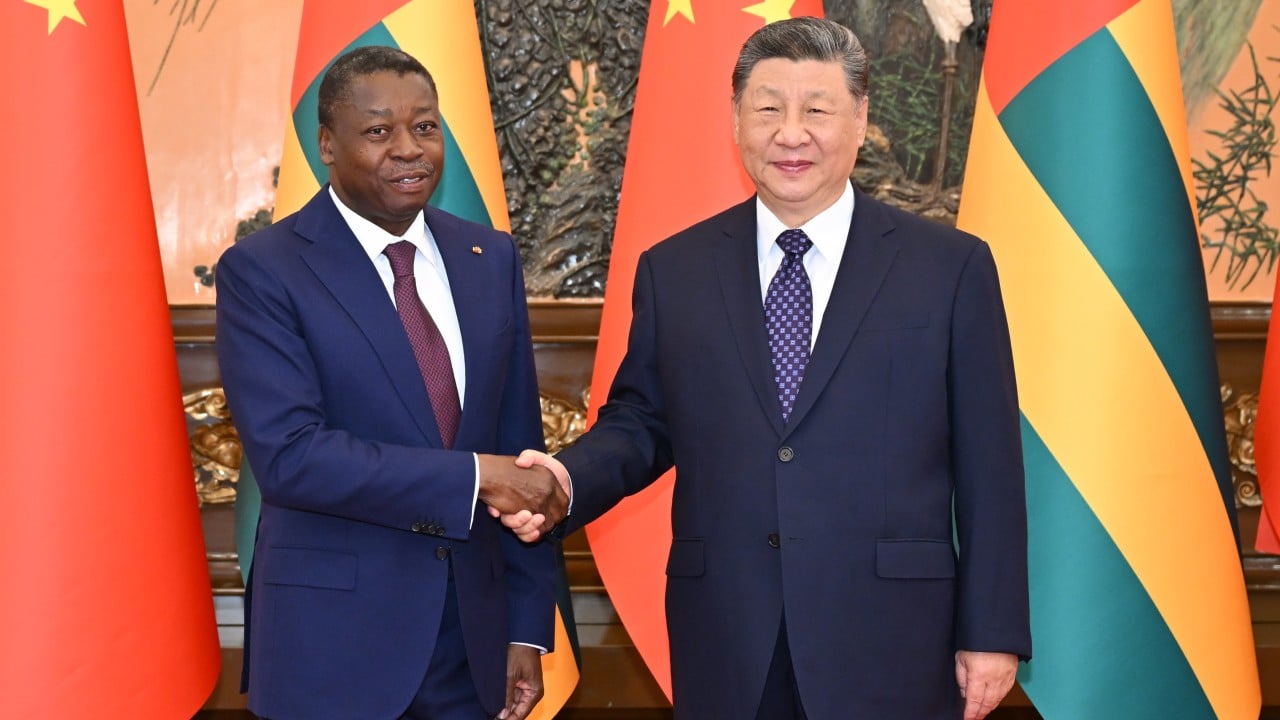
Chinese President Xi Jinping outlined four principles for resolving African conflicts during a meeting with Togolese leader Faure Gnassingbe. These principles focus on African-led security, sovereignty, UN Charter principles, and dialogue over force. Chinese Foreign Ministry spokeswoman Mao Ning stated that these principles offer practical guidance for the Horn of Africa.
China has financed major infrastructure projects in the region, including the Addis Ababa–Djibouti Standard Gauge Railway, but remains reluctant to intervene directly. Instead, Beijing supports African-led diplomacy to preserve its doctrine of state non-interference. Experts believe lasting peace depends on addressing internal factionalism, respecting state sovereignty, and fostering inclusive dialogue alongside broader international peace efforts.
The current conflict in Ethiopia's Tigray region threatens to destabilize the Horn of Africa, and China aims to strike a delicate diplomatic balance that aligns with its conflict-resolution principles while protecting its investments in the region.
Written by urgent.news from South China Morning Post's reporting — not their text. Machine-written — may contain errors; check the original before relying on it.