Will AI-powered open-door vending machines reshape Hong Kong’s retail landscape?
Sherry Shum has embraced a new shopping routine after finding a smart vending machine near her home in Chai Wan. The 37-year-old retail worker uses her phone to scan a QR code, opens the smart machine’s door, picks up a bottle of Coca-Cola, an oolong tea and a pack of potato chips, closes it and walks away with HK$60 (US$7.70) worth of goods. The whole process is so seamless that the only time…
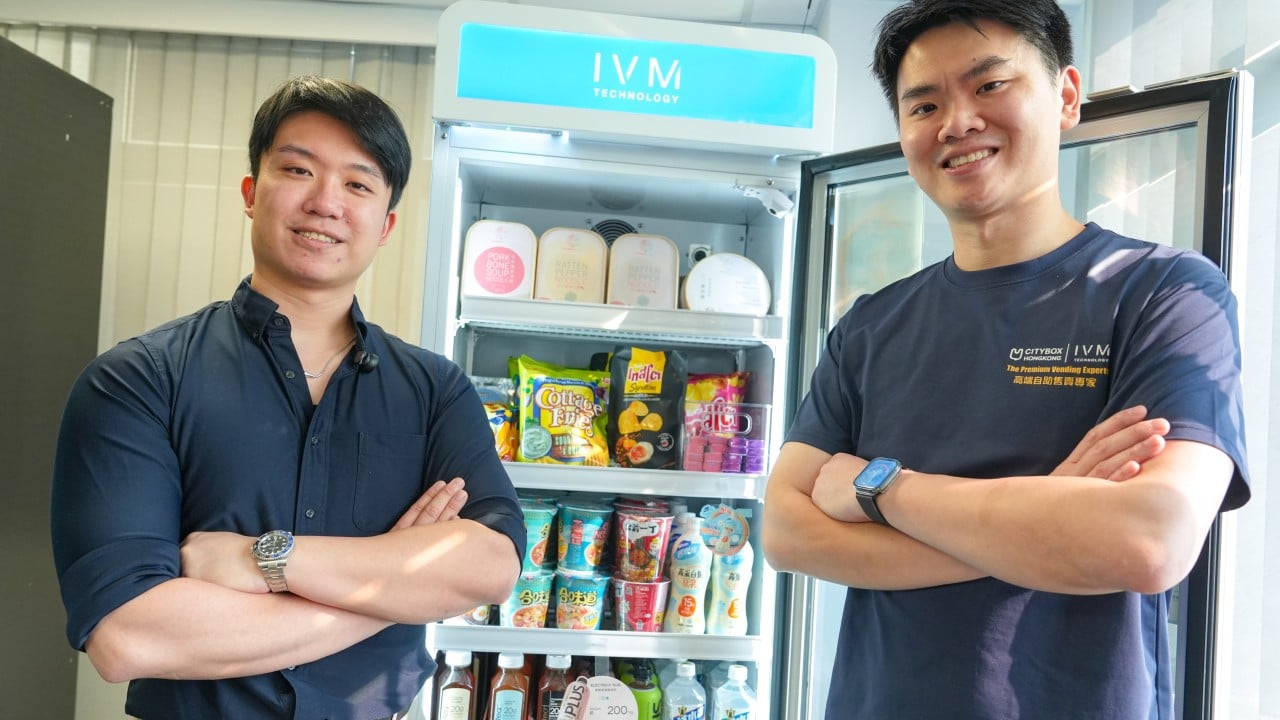
A new shopping trend has emerged in Hong Kong as smart vending machines with open doors gain popularity. Sherry Shum, a 37-year-old retail worker, uses her phone to scan a QR code, opens the machine, picks up items, and walks away – all within minutes. The AI-powered machines detect products based on appearance, debit accounts, and settle bills upon closure.
These vending machines have evolved from simple drink dispensers to smart retail points offering low-cost channels for various products. Operators plan to install more AI vending machines across Hong Kong, with one firm managing 800 AI machines in addition to 1,500 traditional ones. Hong Kong currently has 15,000 to 17,000 vending machines, projected to grow to 30,000 to 40,000 due to lower capital costs.
However, challenges persist, such as Hong Kong's high logistics, labor, and parking costs, which hinder the adoption of AI vending machines. Traditional machines perform better in transient public spaces like bus stops, but AI machines generate 20 to 30% more revenue in closed environments like offices. The Octopus card's offline payment method creates a hurdle for AI machines, requiring post-purchase settlement after the door is closed.
To address this issue, Octopus Cards plans to integrate QR code scanning for online payments via the Octopus application. Meanwhile, FreshUp, a local vending machine operator, has deployed smart coolers generating 10 to 20% more revenue per transaction than traditional machines due to the open-door design encouraging consumers to buy multiple items.
AI vending machines also serve as low-cost "micro-retail platforms" for NGOs and local brands, providing exposure without traditional overheads. For example, Po Leung Kuk, a charity, sells products made by people with disabilities, benefiting from the low-cost retail alternative. The technology's adoption remains slower in Hong Kong due to distinct local economic factors, but operators aim to evolve into platforms allowing a wider range of organizations to sell goods in their machines.
Written by urgent.news from South China Morning Post's reporting — not their text. Machine-written — may contain errors; check the original before relying on it.
This story
This is one outlet's version. Read the fullest account.