Why your alarm can leave you feeling groggy when it interrupts deep sleep
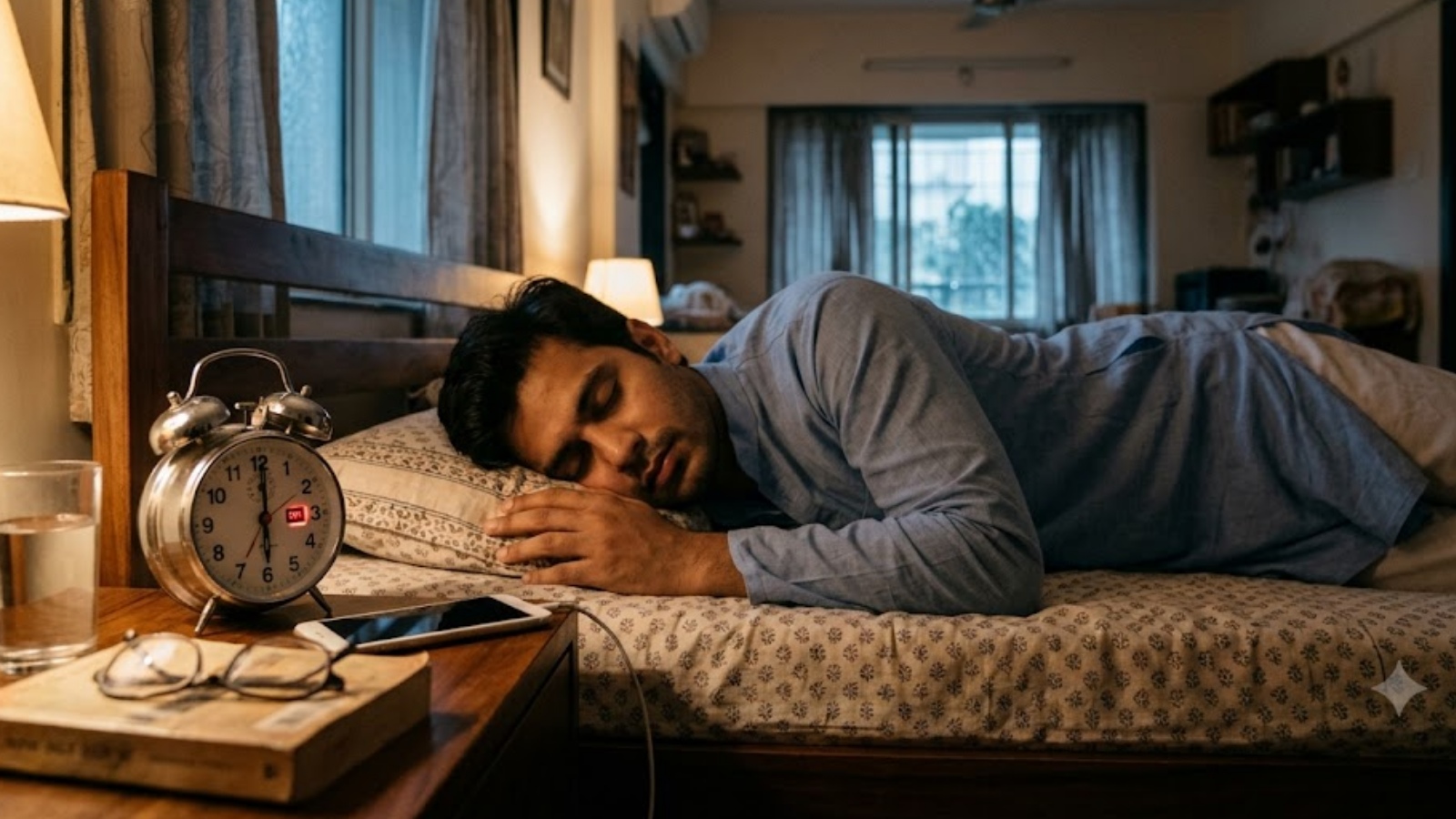
Experiencing grogginess upon waking from an alarm can be attributed to the sleep stage you were in at the moment of awakening. This phenomenon, called sleep inertia, makes it harder for the brain to transition from deep sleep to full alertness. However, the alarm itself is not inherently harmful. Dr Nikhil Jadhav, a neurologist, emphasizes that the quality of your sleep and maintaining a consistent schedule are more critical factors.
Deep sleep, or slow-wave sleep, is a crucial stage during which the brain produces slow waves, and bodily functions slow down. This stage is vital for physical recovery, tissue repair, immune function, and memory consolidation. When woken abruptly from deep sleep, the brain requires more time to transition to a fully alert state, leading to the sensation of grogginess.
REM sleep, characterized by vivid dreams and increased brain activity, also plays a role in learning, memory, and emotional processing. Waking suddenly during REM sleep may leave you feeling disoriented due to the dream or brief confusion. However, the impact on daily energy levels depends on various factors like total sleep duration and the body's internal clock.
Dr Jadhav advises that while waking up during a specific sleep stage may influence how refreshed you feel, it is not essential to avoid a particular stage. Instead, focusing on getting enough sleep and maintaining a consistent schedule can improve morning alertness. It's also important to focus on sleep quality rather than trying to control the timing of your wake-up call.
Written by urgent.news from The Indian Express - Lifestyle's reporting — not their text. Machine-written — may contain errors; check the original before relying on it.
This story
This is one outlet's version. Read the fullest account.