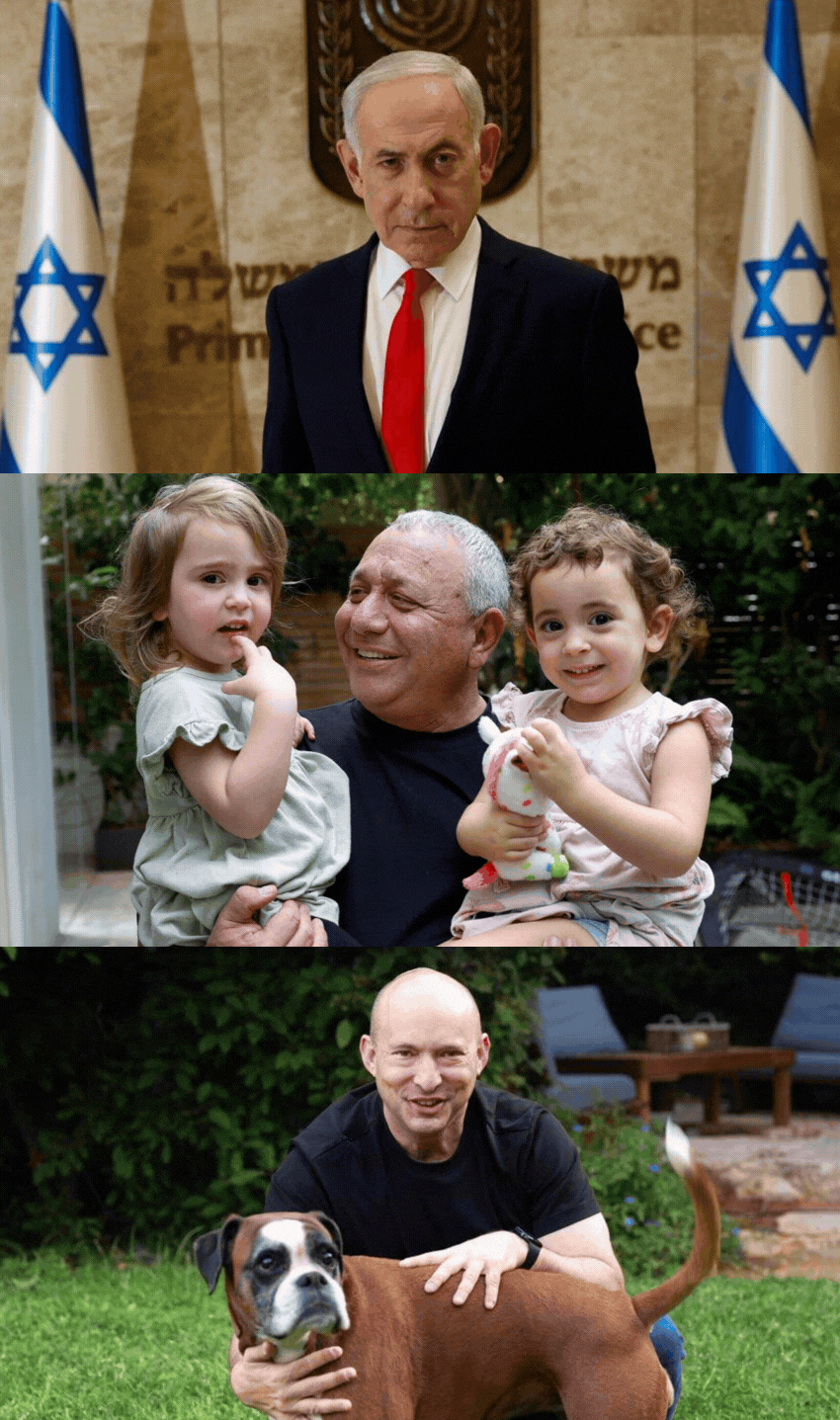
‘Why vote for me?’ Israel's party leaders make their final pitch to voters
Eisenkot urges a ‘change of course’; Netanyahu cites Trump on Iran; Bennett says his team is ‘ready from day one’; Golan declares ‘our moment has arrived’ and Ben-Gvir says ‘everyone admits I was right’; two days before the vote, they make their case
The Arab media are closely monitoring Israel's upcoming elections, aware that the results could greatly influence Israel's regional actions and stance on Palestinian affairs. A striking aspect of this coverage is the level of knowledge Arab commentators have of Israel's political system, including the nuances within its parties—knowledge that is not always mirrored in Israeli coverage of Arab politics.
"Arab media" refers to a wide array of outlets, from satellite television networks to online newspapers and social media platforms across the region and internationally. Due to this diversity, it is challenging to present a complete and accurate picture of the various perspectives in this extensive media landscape. However, for simplification's sake, Arab discourse on the Israeli elections can be categorized into two main viewpoints.
The pessimistic perspective: Many within this camp view Prime Minister Benjamin Netanyahu not as the main issue, but as a reflection of broader shifts in Israeli politics and society to the right since October 7. These shifts have led to a hardline security stance. Thus, even if Gadi Eisenkot, leader of Yair party, becomes prime minister, the change would likely be more in tone and approach to Washington, rather than a fundamental alteration in policy toward Palestinians.
This view is evident in Qatar's Al Jazeera, though present in other Arab media outlets as well. For instance, Jordanian journalist Osama al-Sharif noted in a Saudi article that all leading candidates share similar security-focused positions, rendering little hope for meaningful change in Israeli policy toward the Palestinians.
The optimistic view: Some commentators believe a new government could foster new diplomatic avenues for dialogue and potentially expand the Abraham Accords. This optimism is tempered, however, as it does not necessarily represent the official stances of the involved governments. Examples include Egyptian columnist Sobhi Shabana's suggestion that Eisenkot's election might open a window for change, and Ahmed Adam's belief that a new government could facilitate improved relations with Israel among other nations.
Jordanian analyst Omar Raddad noted the possibility of regional actors using the election to reshape Israeli policy in a way that could promote peace and normalization efforts stalled by far-right policies.
In addition to evaluating the potential policy changes, Arab media also scrutinize the role of Arab citizens of Israel in the elections. Some suggest that a significant turnout of Arab voters could influence Netanyahu's political future, particularly concerning Mansour Abbas and his Ra'am party. However, while the Arab electorate may hold considerable sway in determining the government, there is skepticism about the likelihood of Jewish opposition parties collaborating with Arab parties in forming the next government.
This paradox raises questions about whether Arab citizens could bring about a government change without significantly impacting its policies.
Written by urgent.news from Jerusalem Post's reporting — not their text. Machine-written — may contain errors; check the original before relying on it.
This story
This is one outlet's version. Read the fullest account.