Why is the UK asking citizens to stockpile food and water? Cyberattacks, extreme weather among key concerns - Rationale
The UK is urging households to prepare for three days of disruption under its ‘Be Ready’ campaign. What prompted the advice, and what should residents keep at home?
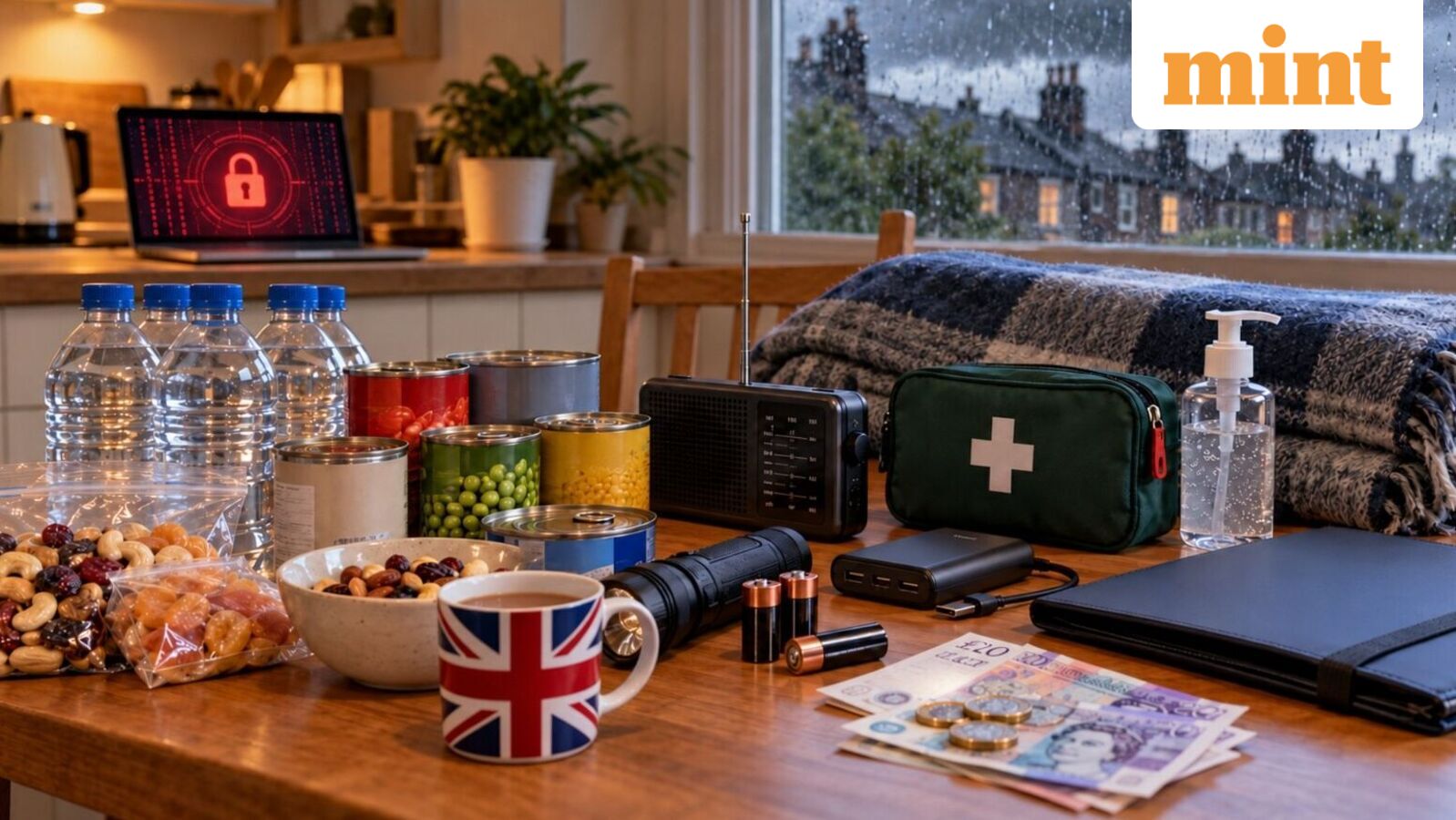
The UK government has launched a campaign called "Be Ready," urging citizens to stockpile basic necessities such as food, water, and other essentials for three days. The advisory comes as the government seeks to enhance national resilience against potential emergencies that could disrupt everyday services such as power, water, phones, and the internet.
The campaign is the first stage of a three-year initiative, with concerns about cyberattacks and extreme weather shaping its focus. Wes Streeting, the UK's defense secretary, stated that the advisory is not triggered by any specific intelligence but aims to bolster national resilience. However, he later mentioned that Britain must be prepared for threats of state-sponsored terrorism by Russia or any other hostile powers targeting everyday infrastructure.
The advisory comes amid a series of cyber incidents, including a security flaw in PHP, a programming language used by millions of websites worldwide, which led to 32 UK government websites going offline. Additionally, hackers linked to Iran were blamed for a cyberattack that temporarily shut down a British power generator in August. The government also noted that the wider energy network was never at risk.
Moreover, the campaign coincides with warnings from the National Audit Office that Britain's food supply chain is at risk due to growing cyberattack threats and the climate crisis. The advisory is particularly timely, as the UK prepares for the winter storm season following several severe storms in recent years. Storm Goretti, for instance, brought winds of almost 100mph, leaving tens of thousands of homes without electricity in January.
The government's rationale for the campaign stems from recent weather disruptions, including storms and wildfires, which have caused disruptions to everyday life and impacted essential services. The UK has also been warned about a possible super El Niño, which could make 2027 the hottest year on record and disrupt weather patterns, threatening global food supplies and energy systems.
Burnham's government has worked with other countries to draw inspiration from their experience and best practices. The "Be Ready" checklist advises citizens to stockpile water (three litres per person per day), non-perishable food items, hygiene products, light and warmth supplies, communication and information tools, financial resources, medical and health essentials, and baby products. The government encourages gradual building of readiness over time, suggesting citizens pick up an extra item when possible.
Written by urgent.news from Live Mint's reporting — not their text. Machine-written — may contain errors; check the original before relying on it.