Why cloud computing pioneer Wang Jian thinks space is the next AI frontier
Long before artificial intelligence became the next big thing in the tech industry, Wang Jian was crafting the foundational infrastructure that would eventually power it. In 2008, he joined Alibaba Group Holding – owner of the South China Morning Post – as chief architect and founded Alibaba Cloud in 2009, convincing the company’s leadership to invest heavily in building a cloud computing…
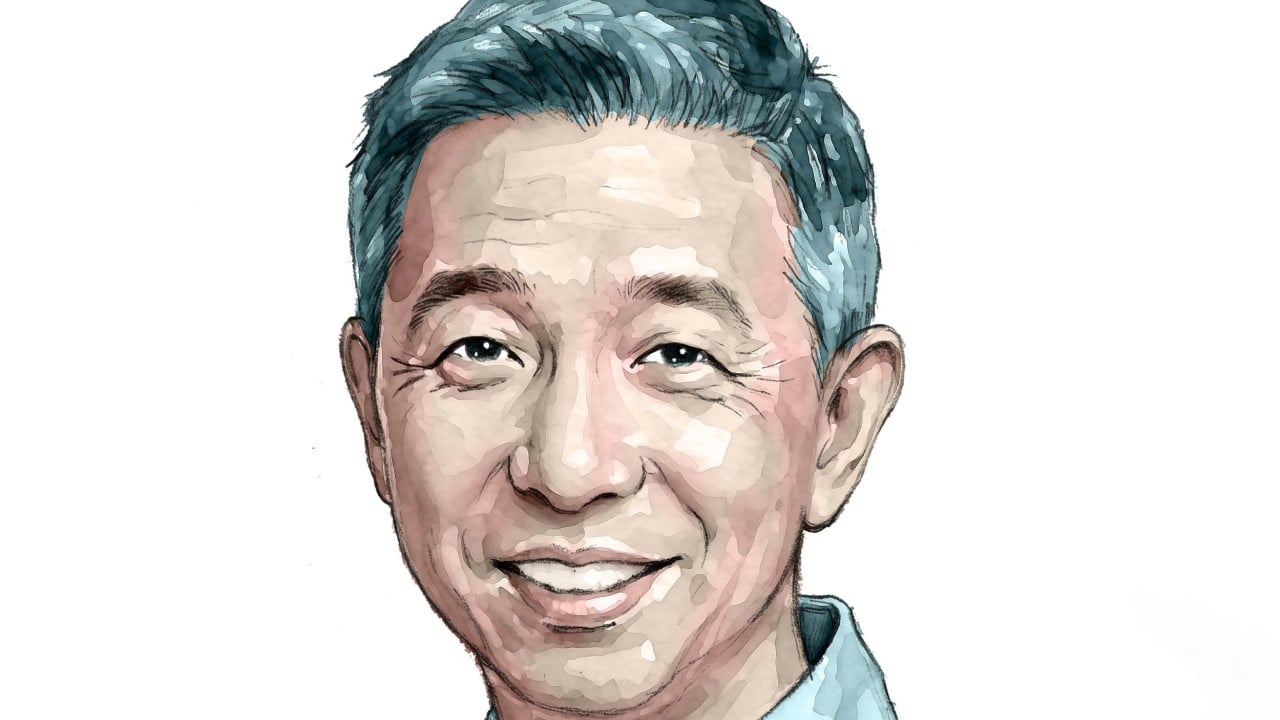
Wang Jian, a pioneer in cloud computing, believes the next big frontier for artificial intelligence (AI) is space computing. In 2008, he joined Alibaba Group Holding as chief architect and founded Alibaba Cloud in 2009, convincing leadership to heavily invest in building a cloud computing infrastructure. Today, Wang's role as an academician at the Chinese Academy of Engineering and director of Zhejiang Lab has shifted towards space computing.
The current excitement over AI development has surpassed Wang's earlier expectations. AI has been developing for nearly 40 years, with several waves of enthusiasm, including Japan's Fifth Generation Computer Systems initiative and China's "four AI tigers" focusing on computer vision technology. However, Wang believes this latest wave of AI development is different, with progress exceeding expectations and impacting far beyond just the industry.
Wang attributes this wave's success to the changing roles of data, models, and computing power. While data was crucial in the early 2010s, it is now being depleted, while vast amounts of scientific data remain under-explored. The importance of computing power has also grown, with Nvidia's rise reflecting its significance recently.
Wang predicts that 90% of AI applications and technologies will disappear within the next decade, as many are merely extensions of chat tools like ChatGPT. He believes AI will be able to do more for us, with applications in coding and scientific research standing out as particularly useful. Coding, once a specialized skill, can now be done by anyone with an idea using AI tools. In scientific research, AI could lower barriers to entry, enabling people without traditional research training to contribute to discoveries.
While AI may replace journalists in repetitive, uncreative work, it will likely create new opportunities for those who can think independently and creatively. Wang remains optimistic about China's AI development, despite short-term challenges, and is excited about the country's potential in this field.
Written by urgent.news from South China Morning Post's reporting — not their text. Machine-written — may contain errors; check the original before relying on it.
This story
This is one outlet's version. Read the fullest account.