Umweltfolgen im Iran-Krieg: Strände in Emiraten wegen Ölverschmutzung geschlossen
Die emiratischen Küsten bieten vielen Vögeln und Meerestieren einen Lebensraum. Jetzt werden dort Strände nach einem Angriff auf einen Tanker durch Öl verschmutzt - und vorerst geschlossen.
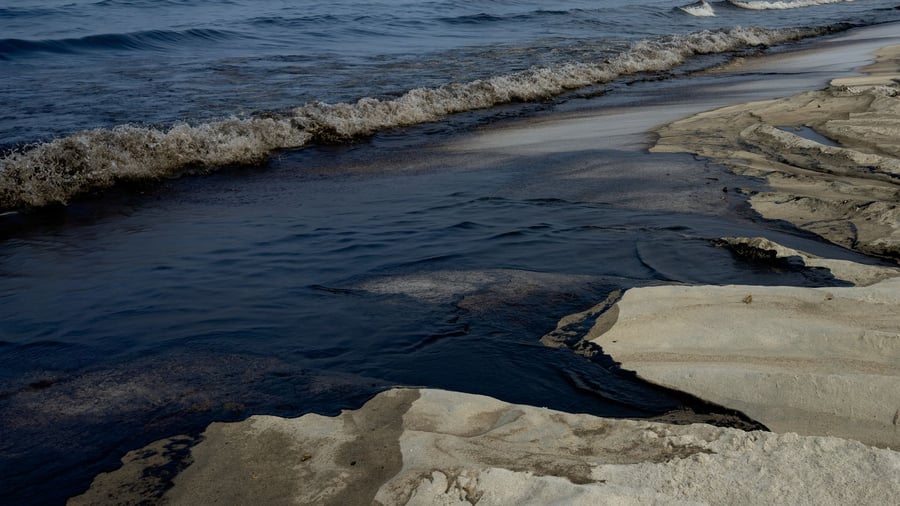
Several beaches in the United Arab Emirates have been closed due to oil pollution, allegedly caused by an attack on an oil tanker during the Iran war. Affected are beaches in Sharjah, Umm al-Kuwait, and Ras al-Chaima, situated near Dubai. The Environment Ministry announced that oil had leaked from a tanker and reached the UAE coast.
Efforts were underway to contain the spill and clean affected areas. Residents had reported strong smells resembling gasoline or gas in several Emirati cities over recent days. The ministry stated no health risks were present. Oil spills can produce such a smell if the oil evaporates and releases chemical substances, depending on weather conditions, winds on the sea can carry this odor over several kilometers to the coast.
The oil's movement contributes to the shoreline, explains researcher Wim Zwijnenburg, who researches conflict and environmental issues for the Dutch organization PAX. According to Zwijnenburg, the oil came from the tanker "Gem No. 2", belonging to a Taiwanese company sailing under the Panamanian flag. After an attack two weeks ago, 330 meters of the tanker leaked oil, Zwijnenburg told the dpa.
The oil slick is now about 90 kilometers long. The data provider Windward reported a few days ago that oil was leaking from a tanker approximately 25 kilometers off Umm al-Kuwait. The current flow would carry the oil towards the coast. The UK Maritime and Coastguard Agency reported the attack two weeks ago. A shell hit the ship, causing a fire onboard.
A study conducted by researchers at the University of South Florida in the USA found that oil pollution in the Persian Gulf has increased significantly since the start of the Iran war in February. The study, published in June and evaluating satellite data, found that the "oil footprint has massively expanded". Often, the oil comes from tankers that could not leave the area due to the largely blocked Hormuz Strait.
Written by urgent.news from Handelsblatt's reporting — not their text. Machine-written — may contain errors; check the original before relying on it.