The Year AI Ate Math
My field is as much an expression of the human spirit as music and literature. Is it for the machines now?
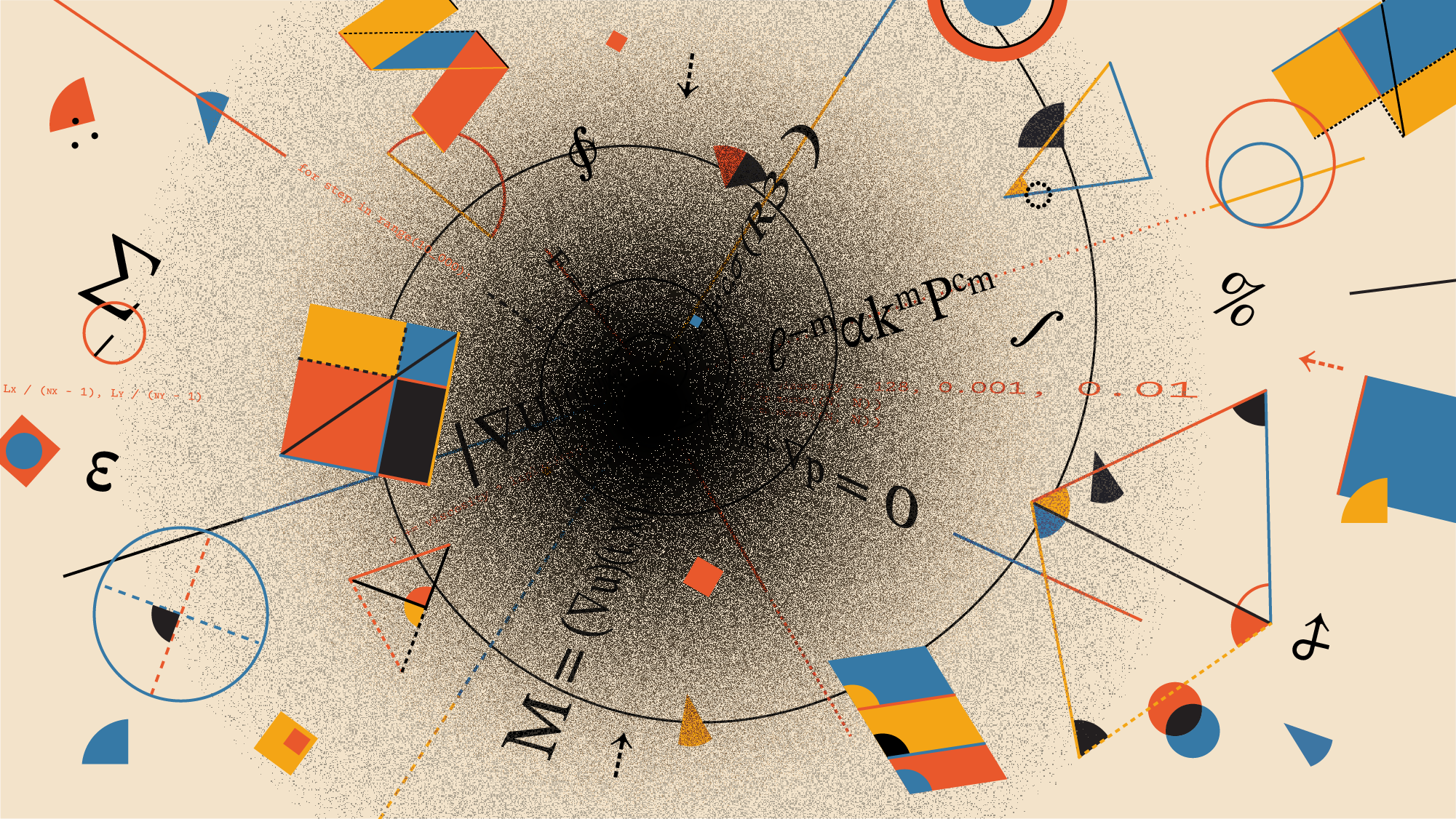
It was 4:26 a.m. as the reporter walked around their house while their wife slept upstairs. They felt disoriented and discombobulated, similar to how they had been feeling for months since May, when AI came for math. The leaves were ablaze in Ithaca, fiery reds and oranges, which reminded them of the swirling patterns described by Navier-Stokes equations.
Navier-Stokes was a topic that everyone knew by now, as OpenAI had claimed to have solved the Navier-Stokes Millennium Prize problem in early September. An internal AI model unleashed about 10,000 agents that ran for 88 hours straight and solved the problem, leaving the reporter feeling conflicted about the impact of AI on mathematics.
The reporter, a math professor, had been trying not to sound too alarmed as this was discouraging for graduate students and undergraduates who had dreamed of a life in mathematics. The wider public was also confused, as many mathematicians looked outward, seeking to use math to help improve various fields, while others were more focused on the theoretical aspects and inner beauty of mathematics.
AI could potentially help in both cases, but it also threatened to rob pure mathematicians of the struggle and joy of discovering truths themselves.
The reporter shared three stories about the impacts of AI on pure mathematics:
1. One graduate student, Alex Townsend, decided to curate important unsolved problems himself in the hope that his colleagues could solve them, either with or without the help of AI, before big companies could solve them. This approach aimed to pave the way for a new kind of mathematics, where the focus is on asking good questions, developing theories, and interpreting machine-generated proofs.
2. Alex's colleagues had mixed reactions to his plan. Some were excited about adapting to the new reality and embracing AI, while others were furious at the idea of destroying the pipeline for training young researchers and prematurely solving problems that should have been reserved for students.
3. The math department at Cornell held a town-hall meeting to address concerns such as how to assess job candidates and what to expect from a Ph.D. student, considering that an AI could potentially solve dissertation problems and even write theses for students.
Written by urgent.news from The Atlantic's reporting — not their text. Machine-written — may contain errors; check the original before relying on it.