The history of the Women’s World Cup final – 1991: America victorious but was it officially a World Cup?
This is the first in a new series looking at historic Women’s World Cup finals ahead of the 2027 tournament, which will be hosted in Brazil. There have only been nine Women’s World Cup finals. And this first one was not, at the time, even recognised as a World Cup… Background While unofficial World Cups for female players were held in the 1970s, this was the first global tournament recognised by…
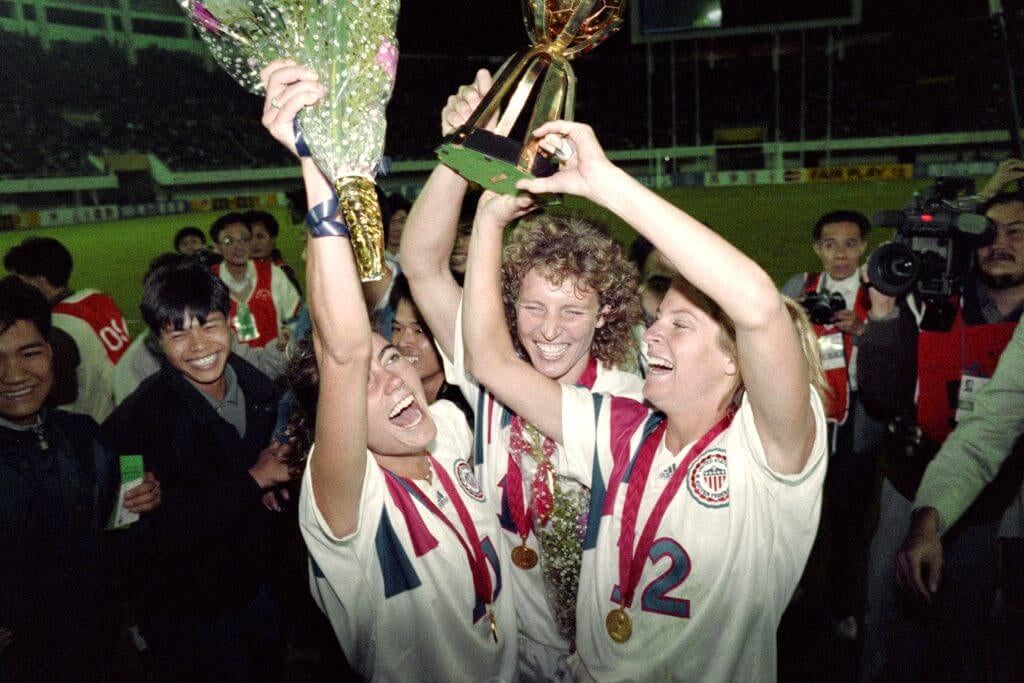
This is the first in a series of articles exploring historic Women's World Cup finals ahead of the 2027 tournament, hosted in Brazil. While there have only been nine finals, this first one was not initially recognized as a World Cup by FIFA. The tournament, held in China, was dubbed the '1st FIFA World Championship for Women's Football for the M&M's Cup' due to uncertainty around the event's quality and commercial viability. Despite tickets being mostly free, attendance was impressive, averaging around 20,000 spectators.
Norway, the favored side, had overcome Sweden 4-1 in the semi-finals. The U.S. women's team, however, was comprised of amateur players, receiving $1,000 per month for their participation. The final was an intriguing 1-1 draw after extra time, with the decisive goal coming with just two minutes left on the clock. The match was characterized by a 40-minute half followed by a 20-minute extra time period, a format debated as being dismissive of women's football.
Both teams employed a 1-3-3-3 formation, with the sweeper role played by Norway's Heidi Store and the U.S.'s Mia Hamm. The match was characterized by a defensive strategy, with each team having three markers and one sweeper. The attacking strategy was also similar, with Norway's Linda Medalen and the U.S.'s Michelle Akers being the standout offensive players. Akers, in particular, was known for her heading ability and physical play.
The low quality of the match, despite being the final, can be attributed to nerves and fatigue. There were few genuine scoring opportunities until the final moments. The match lacked the sophistication and subtlety of European players, who were more accustomed to watching soccer on TV. However, the U.S. team compensated with speed, determination, and the formidable talent of Mia Hamm.
The Player of the Match award went to USA's Carin Jennings for her hat-trick in the semi-final, but the final was a tight contest between Medalen and Akers.
Written by urgent.news from Yahoo Sports's reporting — not their text. Machine-written — may contain errors; check the original before relying on it.