The Guardian view on Oxford Street’s pedestrianisation: cities should be designed around people, not cars | Editorial
The transformation of Europe’s busiest shopping street should be a case study in making cities greener, less congested and more inviting places to live Sadiq Khan has been trying to pedestrianise Oxford Street since he first became the mayor of London in 2016. On Monday, after numerous setbacks, his plan will finally come to fruition. The busiest stretch of the nation’s famous shopping street…
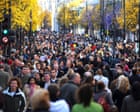
Oxford Street, Europe's busiest shopping thoroughfare, is set to be pedestrianised in a bid to make cities greener, less congested, and more inviting for residents and visitors. Mayor Sadiq Khan, who has been pushing for this change since 2016, hopes the transformation will rejuvenate the once struggling high street. After overcoming numerous obstacles, the scheme will finally go into effect, with the busiest segment of the street closed to traffic.
The Greater London Authority believes the pedestrianisation will rejuvenate Oxford Street and boost footfall, potentially generating £82 million in annual value. While the full impact remains to be seen, research from other cities suggests that pedestrianisation can lead to higher sales and increased visits. Pedestrianisation offers benefits beyond increased shopping, as it can help reduce greenhouse gas emissions, with domestic transport being the largest contributor to carbon emissions in Britain.
Khan's city is an outlier, with 59% of all journeys in Britain made by car in 2024, compared to 34% in London. The government's heavy investment in London's transport system, coupled with cheaper bus fares, has contributed to the city's high car usage. Critics argue that pedestrianisation may simply displace traffic to other areas, but studies show mixed results. One study found that road closures can cause traffic to disappear permanently, while another found minimal impact on traffic elsewhere in London.
Low Traffic Neighbourhoods (LTNs) have been criticized for causing traffic to build up in surrounding roads, but a study of 46 LTNs in London suggests their effect on traffic elsewhere is minimal. The pedestrianisation of Oxford Street should be seen as an inspiration for other cities to adopt policies that prioritize people over cars. Already, nitrogen dioxide pollution levels in Oxford Street were among the highest in the world, and the scheme aims to significantly improve air quality in the capital.
Written by urgent.news from Guardian Business's reporting — not their text. Machine-written — may contain errors; check the original before relying on it.
This story
This is one outlet's version. Read the fullest account.