The experience economy keeps defying expectations. Maybe we’ve been looking at it all wrong
Covid was supposed to break live events for good. Instead, the more digital life gets, the more people pay to be in the room.
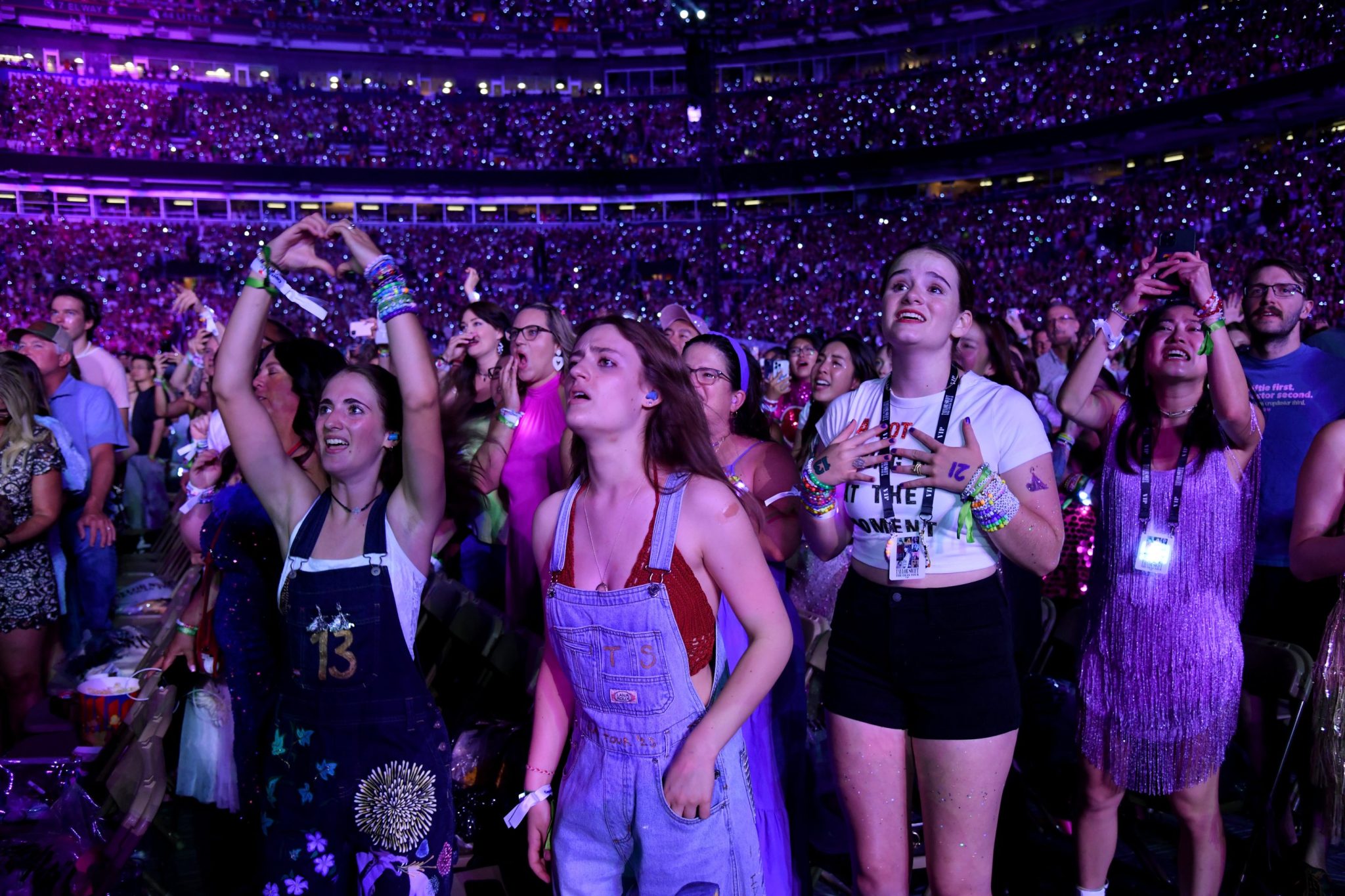
The experience economy, which traditionally emphasized a tradeoff between purchasing goods and experiences, is undergoing a seismic shift. This shift, however, is not in the way that most forecasters anticipated. As businesses that brought people together during the pandemic faced an uncertain future, it became clear that people had a newfound appreciation for experiencing life in person.
My colleagues and I at Providence Equity Partners have found that both personally and professionally, individuals are seeking more opportunities to come together, despite another wave of uncertainty stemming from the rise of AI. Contrary to popular belief, there is a booming demand for experiences that bring people together "in real life." This is where the concept of the "IRL Economy" comes into play.
The IRL Economy is rooted in a deeper set of forces, focusing on the inherent human need for connection and community. Unlike the zero-sum logic of the traditional experience economy, the IRL Economy is strengthened by the push for a frictionless digital-first world and the pull towards real life. Demand for in-person connection amidst technology's rapid expansion is not a contradiction but a natural outcome, and this is precisely what we are witnessing.
The market for concerts, theater, live sports, and trade shows, valued at around $700 billion in 2024, could grow to approximately $1.0 trillion by 2030, a nearly 50% increase. For instance, in 2025, over 17.5 million people attended shows at London's West End venues, marking a near 15% rise over pre-pandemic levels. This recovery and growth can be attributed to a global reassessment of technology's role in our lives.
As people recognize the importance of in-person connection for health and well-being, discretionary activities are being recategorized as essential components of connection and community.
Moreover, technology is enhancing the visibility and profitability of real-world experiences. People are increasingly drawn to sharing their offline activities, from concerts and sports events to travel destinations. This positive feedback loop fuels soaring demand, driving economic growth. The expansion of the IRL Economy, like that of AI, will necessitate significant capital investment for venue modernization, concept replication in new markets, and the creation of entirely new offerings.
However, the growth of the IRL Economy is decentralized, creating opportunities for businesses and communities across the globe. Unlike the concentrated growth in digital media and AI industries, there are over 28,000 companies in the U.S. focused on live performances, spectator sports, event promotion, or trade shows. Thus, the IRL Economy lacks the hyperscaling seen in the digital space. While there are large companies like Live Nation, their market capitalization is still dwarfed by tech giants like Google.
Despite legitimate concerns about ticket price inflation and the potential displacement of shared experiences, the underlying demand for real-life connections remains robust. Therefore, the simultaneous growth of AI and the IRL Economy represents a significant economic development of our time, challenging conventional perceptions of competition and opportunity.
Written by urgent.news from Fortune's reporting — not their text. Machine-written — may contain errors; check the original before relying on it.