The Drawing Power of Bogota’s Market Kitchens Among Tourists
Bogota’s market squares have always been understood as places where residents of the capital go to buy all kinds of fresh products that come from the countryside. Amid this commercial exchange, the restaurants found in these places appear to be secondary settings where, as an additional activity, visitors can also sample a large portion of […]
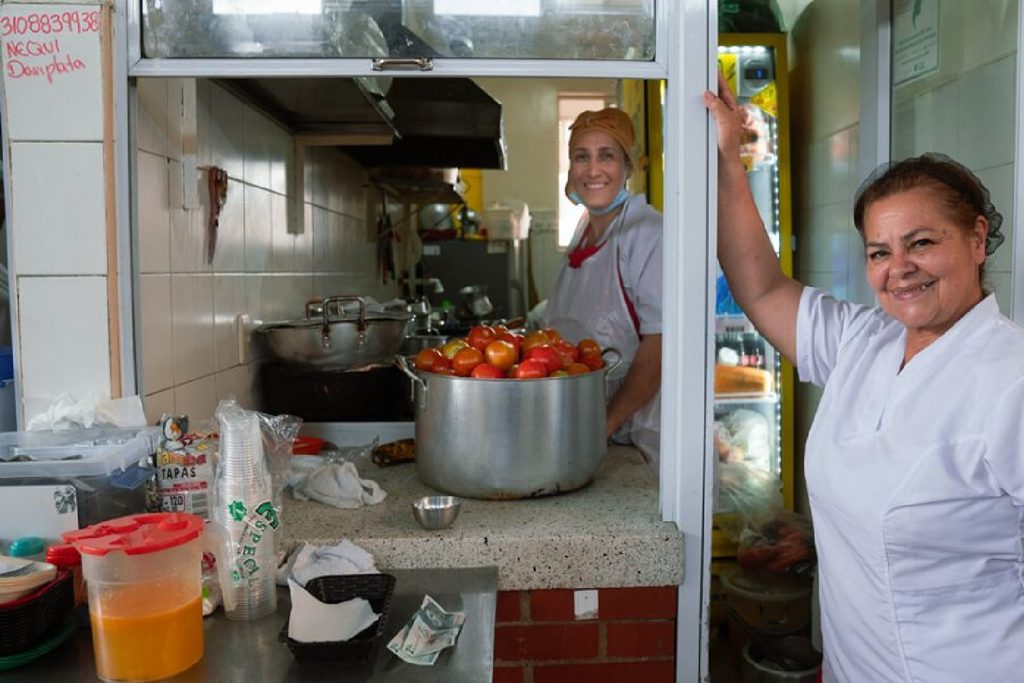
Bogota's vibrant market squares serve as hubs where regional cuisines intermingle, evolving alongside modern urban life. These bustling centers are not merely places to purchase fresh produce from the countryside, but also secondary settings where visitors can relish traditional dishes. Since 2024, the Living Heritage Inventory has highlighted the pivotal role played by kitchens within these markets, shedding light on their historical significance in food production, marketing, and distribution, dating back to pre-Hispanic times.
The markets are dynamic spaces where gastronomic heritage thrives, with products, knowledge, techniques, and familial histories converging. From the preparation of fried delicacies and wrapped foods to the sale of juices, fast food, and regional dishes, the diversity of offerings reflects the rich tapestry of Colombia's culinary traditions.
Restaurants, cafes, fruit shops, and traditional kitchens within the markets all contribute to this kaleidoscope of flavors, embodying the unique intersection of ingredients, handling methods, and customer service.
Foreign tourists are increasingly drawn to these market squares, not just for their fresh produce, but for the authentic taste of Colombia's gastronomy. In 2025, Bogota welcomed over 14 million visitors, with a significant two million being foreigners who sought out the market squares to savor the local flavors. Women have been instrumental in these market kitchens, leading food preparation, processing, and marketing activities, while also sustaining community connections and passing down culinary knowledge through generations.
Beyond the culinary realm, these markets function as economic and social networks, with restaurants purchasing supplies from nearby stalls, supporting other market occupations, and maintaining relationships with farmers and suppliers. This intricate web of interactions sustains the markets as a whole, with food preparation playing a crucial role in connecting rural production, urban supply, and the daily lives of those involved.
As research continues to unfold, markets emerge as gustatory and emotional archives of the city, preserving family, territorial, and community memories. The preservation of culinary practices, from recipes passed down through families to dishes evoking different regions of the country, underscores the profound social and cultural significance of these market kitchens.
While further research is ongoing, the initial findings affirm that food occupies a vital place within these living heritage systems, intertwining production, daily life, memories, and social ties.
Written by urgent.news from Colombia One's reporting — not their text. Machine-written — may contain errors; check the original before relying on it.