Stakeholders see monetary tightening tomorrow
KARACHI: Amid inflationary pressure from costly oil imports linked to the Middle East conflict, economic stakeholders have called for a 50- to 100-basis-point hike in interest rates to curb inflation. The State Bank of Pakistan’s (SBP) Monetary Policy Committee is scheduled to meet on Monday, while the financial market is filled with speculation. However, it was observed that most of the…
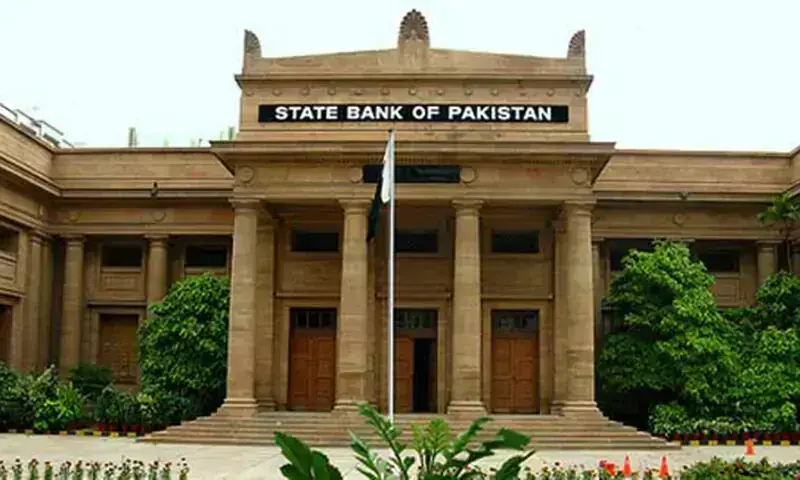
Karachi - Inflationary pressure from costly oil imports due to the Middle East conflict has led economic stakeholders to demand a 50- to 100-basis-point increase in interest rates to curb inflation. The State Bank of Pakistan’s (SBP) Monetary Policy Committee is set to meet on Monday, with financial markets buzzing with speculation.
Most financial experts believe a 50-basis-point hike in the interest rate is imminent, given the current policy rate of 11.5%. However, there is disagreement on the extent of the rate hike required. Rashid Masood Alam, a senior banker, is confident of a 50-basis-point increase but argues that a 100-basis-point hike is necessary to effectively address rising inflation.
The looming US attacks on Iran and the impact on oil import costs are additional factors that could contribute to higher inflation, potentially prompting the central bank to raise interest rates. In the first quarter of FY27, consumer price inflation (CPI) stood at 10.2%, up from 4.3% in the same period last year. While a 50-basis-point hike may provide a sensible middle ground by acknowledging changing risks without severely damaging growth, a longer-term challenge remains.
A 100-basis-point hike would increase borrowing costs for both the government and the private sector, with limited additional benefit compared to a measured 50-basis-point increase. Most key central banks, including the Reserve Bank of India, have raised interest rates, and the IMF expects global inflation to reach 4.7% in 2026, with a 4.1% projection for 2027.
Experts highlight the difficulty in containing inflation, citing factors such as the escalating war in the region, rising oil prices, and severe challenges for both exports and imports due to soaring shipping costs. The government has decided to pursue growth after achieving sustainability, but many factors, including the regional conflict and high oil prices, hinder this approach.
The industry, on the other hand, demands a cut in interest rates to stimulate economic activity, arguing that raising interest rates solely to control inflation would be ineffective and disproportionately burden traders and industrialists. Some associations, including the Korangi Association of Trade and Industry and SITE Association of Industry, have called for the interest rate to be reduced to single digits.
Written by urgent.news from Dawn Business's reporting — not their text. Machine-written — may contain errors; check the original before relying on it.
This story
This is one outlet's version. Read the fullest account.