Sharia-byks på Wall Street
Børsindekser som følger islamsk lovpraksis har rykket fra vanlige indekser i 2026.
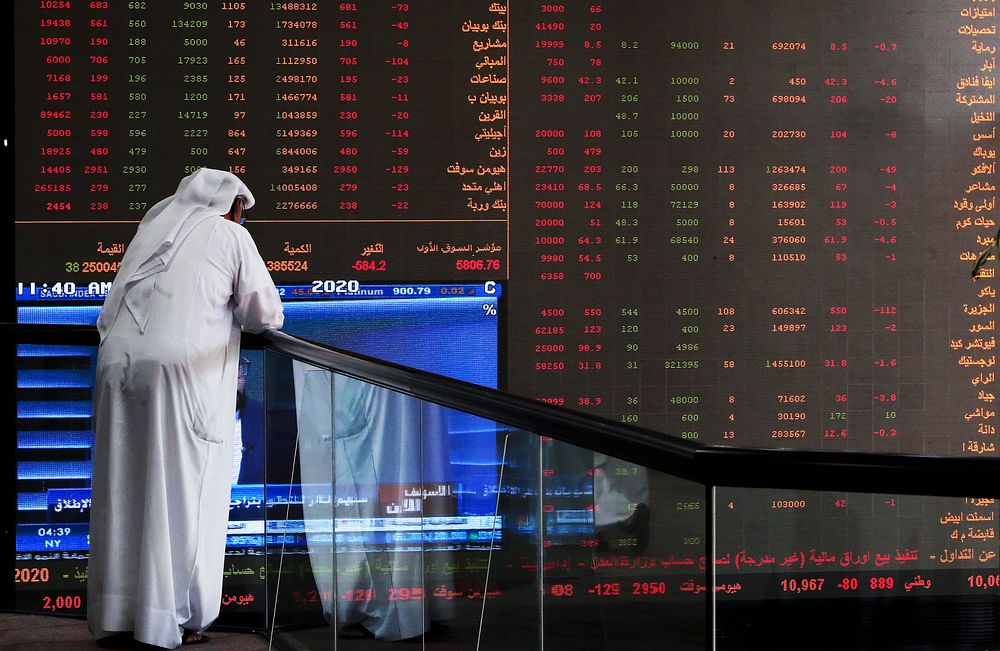
Sharia-compliant indices have gained traction on Wall Street, representing a growing influence of Islam in the financial world. These indices, which exclude companies involved in alcohol, tobacco, pork, gambling, pornography, or conventional finance, have become increasingly popular, leading to the launch of Exchange-Traded Funds (ETFs) on major Western stock exchanges like the London Stock Exchange and New York Stock Exchange.
In 2022, Sharia indices performed better than conventional indices, largely due to the poor performance of finance and banking stocks, which were heavily excluded. The S&P 500 Sharia index surpassed the S&P 500 in the third quarter of 2023, outperforming by 13.69% compared to the 11.37% gain of the S&P 500. This trend has been consistent over the past three and five years, with the S&P 500 Sharia index consistently outperforming the conventional index.
The S&P 500 tracks the performance of the 500 largest U.S. companies, making it a crucial indicator on Wall Street. Nearly half of the companies in the traditional index are excluded from Sharia indices, largely due to the recent tightening of screening methods, which has resulted in the exclusion of more companies. The Islamic Council of Norway (IRN) believes Sharia indices can be a useful tool for Muslim investors, particularly as it can be challenging for an individual to assess the vast number of companies.
However, IRN provides general guidance on Islamic principles related to finance, investment, and ethics but does not offer financial advice or specific stock recommendations. Sharia investors must consider the ethical and religious implications of their investments, focusing not only on potential returns but also on how the returns are generated, the companies they invest in, and the impact of the businesses on people and society.
While a company may meet certain formal criteria, the individual investor must adhere to their own conscience and ethical and religious obligations. Sharia indices primarily serve as a filter and aid, not a complete ethical endorsement of each company. Various indices and Sharia councils may use different criteria, and IRN draws parallels to the debates surrounding the Oil Fund and Ethic Council, particularly regarding investments in Israel.
Islamic Council of Norway (IRN) estimates that around 200,000 Muslims in Norway belong to Muslim communities. However, demand for Sharia indices has not been particularly strong in Norway, according to spare bank Else Sundfør from Nordnet Norge. While there are several ETFs following Sharia indices, many are not available to Norwegian customers.
One available ETF, HANetf Saturna Al-Kawthar Global Equity UCITS ETF, has over 450 investors across the Nordic countries. However, a review of various Sharia products a few years ago concluded that Nordnet would not offer such products, mainly due to low demand and the existing comprehensive products meeting the needs of their customer base.
Written by urgent.news from E24 Norway's reporting — not their text. Machine-written — may contain errors; check the original before relying on it.