Serbia votes as students seek to unseat Vucic in snap election
BELGRADE: Serbia votes on Sunday as a mass student protest movement seeks to unseat long-time populist leader Aleksandar Vucic who has held power first as prime minister and then as president for more than a decade. The snap parliamentary elections, called by Vucic in September, come after almost two years of student-led demonstrations against perceived corruption and creeping authoritarianism…
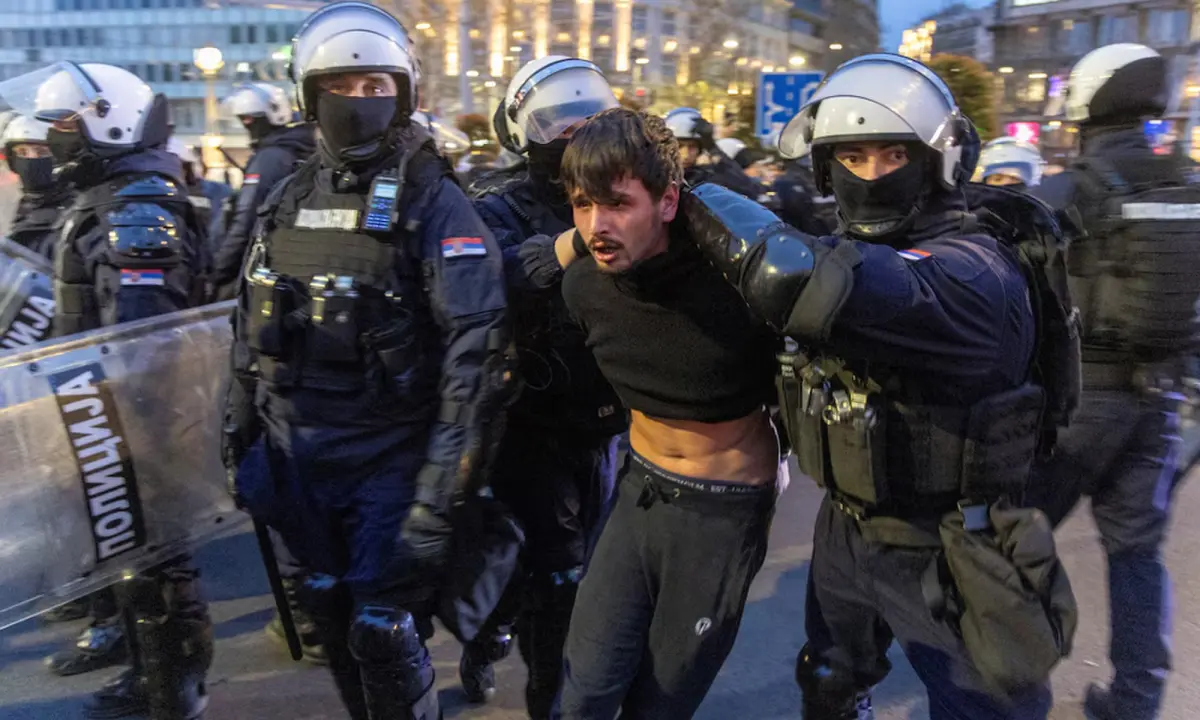
Serbia prepares to hold a snap parliamentary election on Sunday as students spearhead a mass protest movement against long-serving populist leader Aleksandar Vucic. The elections, called by Vucic in September, come after two years of student-led demonstrations against corruption and authoritarianism, sparked by the 2024 train station canopy collapse in Novi Sad that killed 16 people.
Polls open at 7 a.m. and close at 8 p.m., with results expected around two hours later. A victory for the student-led list would represent a significant political shift in the Balkan nation, comparable to Hungary's Viktor Orban's defeat in April. However, Vucic, who is running for re-election as prime minister after resigning as president, remains a formidable incumbent, credited by many for pulling Serbia out of economic stagnation and overseeing modernization projects like highways, railways, schools, and hospitals.
Despite his shortcomings, Vucic's tenure has seen economic growth, new infrastructure, and improved public services. The students' platform focuses on rooting out corruption, improving education, and addressing international ambitions, though they have been less vocal on these topics. They are fielding 250 candidates, including academics, artists, and farmers, led by cardiologist Ilija Srdanovic.
Opinion polls predict a close race, with Vucic's Serbian Progressive Party (SNS) leading 47% to 40% according to an Ipsos poll, though other surveys have the students ahead.
The student movement's grievances stem from the railway station collapse, which occurred on a project Vucic championed but is perceived as emblematic of corruption. Since then, student protests have grown into the largest in decades, demanding his resignation. Rights groups and activists allege increased repression under Vucic's rule, though the president and his party deny these claims. Vucic alleges the students are funded by foreign agents in Croatia and Montenegro, a claim the students reject.
Relations with the European Union have deteriorated as the bloc pressures Serbia for judicial, rule of law, and corruption reforms. The Council of Europe recently criticized Serbia's hostile rhetoric and a public funeral for war criminal Ratko Mladic, which EU Commission President Ursula von der Leyen deemed incompatible with EU values.
Written by urgent.news from Business Recorder's reporting — not their text. Machine-written — may contain errors; check the original before relying on it.