Sebi plans curbs on terminal misuse, graded compliance for market intermediaries
In a proactive move, market regulator Sebi is rolling out initiatives to curb the misuse of brokers' trading terminals and bolster compliance efforts. The focus is also on enhancing cybersecurity while safely testing AI tools. Sebi's vision encompasses streamlining regulations, promoting responsible technology, fostering deeper market engagement, and ensuring broader access for investors,…
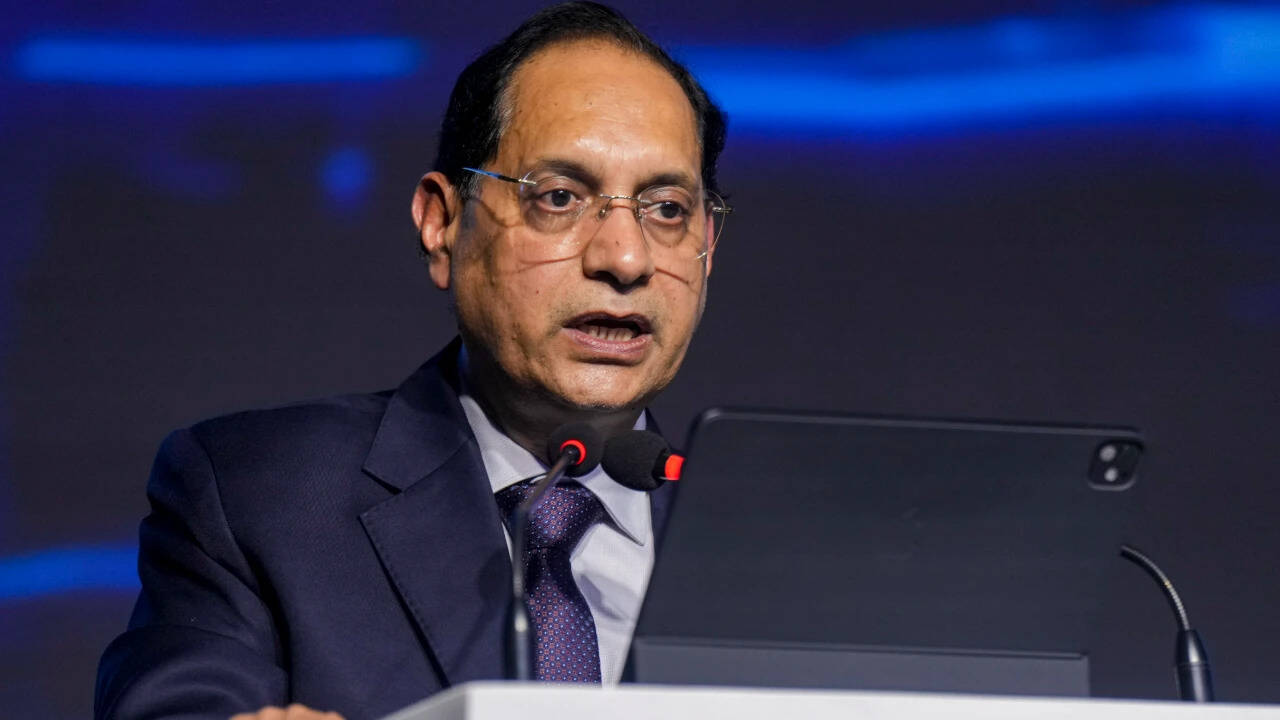
Securities and Exchange Board of India (Sebi) is set to implement measures to curb the misuse of brokers' trading terminals, while also establishing graded compliance standards for market intermediaries based on their size, clientele and technological reliance. Chairman Tuhin Kanta Pandey unveiled these plans during the 16th ANMI International Capital Market Convention in Mumbai.
Pandey also emphasized the importance of enhancing cybersecurity, safely piloting artificial intelligence (AI) tools, and boosting trading in corporate bonds. The regulator is currently developing a framework to safeguard against the abuse of trading terminals, with compliance rules varying according to brokerage firm size, client count, and technological dependence. To streamline oversight, Sebi plans to amalgamate inspection portals onto a unified digital platform.
Pandey urged market participants to prioritize cybersecurity over IT expenditure and to rigorously test their systems to prepare for potential failures. The regulator is also exploring the creation of an AI sandbox, where new tools can be tested safely while receiving regulatory guidance. Simultaneously, Sebi is finalizing guidelines for responsible AI use, which will incorporate accountability, data controls, kill switches, and human oversight, adhering to the International Organization of Securities Commissions' (IOSCO) toolkit.
The regulator's technology strategy extends to the corporate debt market, where a market-making framework is being devised to facilitate secondary trading in corporate bonds. The upcoming phase of Demat 2.0 will involve tokenized corporate bonds trading on the secondary market, which is expected to increase liquidity, lower settlement risk, and expedite fund access.
Sebi is also reviewing short selling and securities lending and borrowing to bolster liquidity and price discovery. The regulator is revising depository participant rules to streamline compliance and fortify defenses against fraud. Pandey addressed retail market participation, predicting that growth will stem from rural areas rather than major cities.
Drawing from Sebi surveys, he urged industry professionals to aid investors in making informed decisions and maintaining investments over extended periods. He recommended reframing know-your-customer (KYC) checks as "Know Your Client's Needs" and treating it as an ongoing dialogue rather than a mere form-filling exercise.
To summarize Sebi's overarching priorities, Pandey outlined the regulator's strategy as encompassing simpler rules, deeper markets, responsible technology, and expanded access.
Written by urgent.news from Times of India's reporting — not their text. Machine-written — may contain errors; check the original before relying on it.
This story
This is one outlet's version. Read the fullest account.
- SEBI plans Demat 2.0, graded compliance for brokers thehindubusinessline.com