Save gas, get paid: Iran’s parliament speaker offers cash to cut consumption as shortfall fears grow
TEHRAN, Oct 25 — Iran’s parliament speaker Mohammad Bagher Ghalibaf on Sunday called for a campaign to cut g...
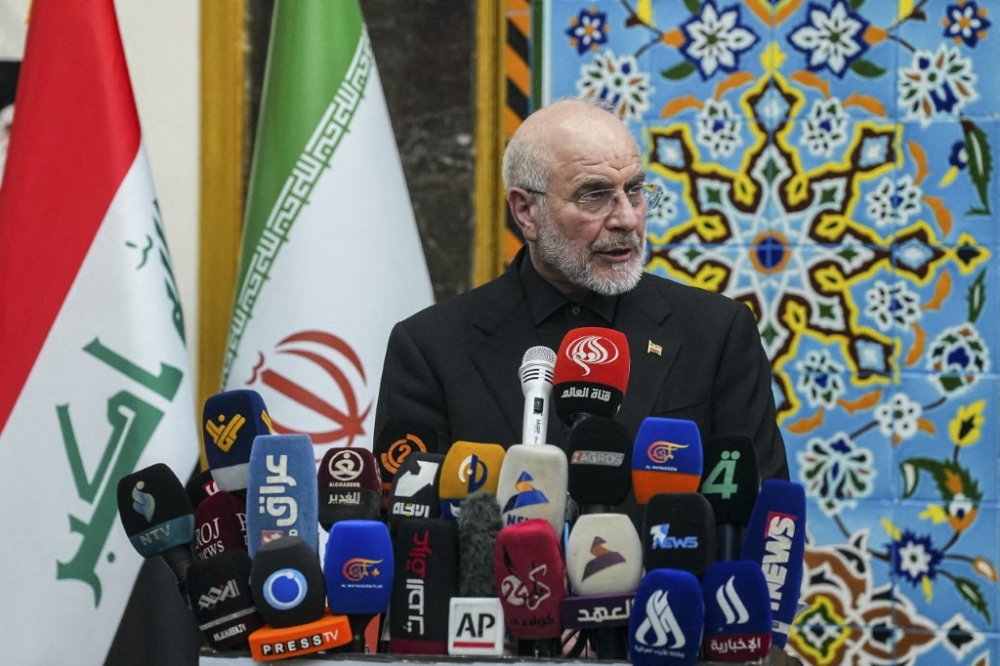
TEHRAN, October 25 - In anticipation of potential gas shortages as winter approaches, Iran's parliament speaker, Mohammad Bagher Ghalibaf, has launched a campaign to cut gas consumption by a minimum of 10 percent. The need for this reduction stems from Iran's position as a major gas producer facing increasing scarcity, aggravated by the ongoing conflict with the United States and Israel since February.
During one of the war's peak periods, both countries targeted vital Iranian infrastructure, including natural gas refineries, as reported by Tehran. Given Iran's often freezing winters, particularly in the northern regions, Ghalibaf emphasized the importance of a nationwide effort in an October video. He proposed incentivizing gas savings by instantly crediting recipients' bank accounts for their contributions, allowing individuals to immediately observe the positive effect of their efforts on their household budgets.
Earlier in the month, First Vice-President Mohammad Reza Aref had warned of a daily "gas shortfall of 100 million to 250 million cubic meters" during the cold season due to the war's damage. He expressed hope for restoring around 100 million cubic meters of supply by the onset of winter. Following a ceasefire in April, the conflict resumed, with both sides contending for control over the strategic Strait of Hormuz, through which approximately one-fifth of the world's oil and liquefied natural gas once passed.
Iran has held the strait under its control since the war's inception and has frequently obstructed vessels attempting to pass without authorization. In response, the United States has imposed a blockade on Iranian ports and announced an "economic asphyxiation" campaign in August, aimed at choking Iran's already struggling economy.
Written by urgent.news from Malay Mail's reporting — not their text. Machine-written — may contain errors; check the original before relying on it.