Protect Malaysia’s e-hailing drivers without pricing out passengers
A successful e-hailing service is one that allows drivers to earn a reasonable return while remaining affordable for passengers.
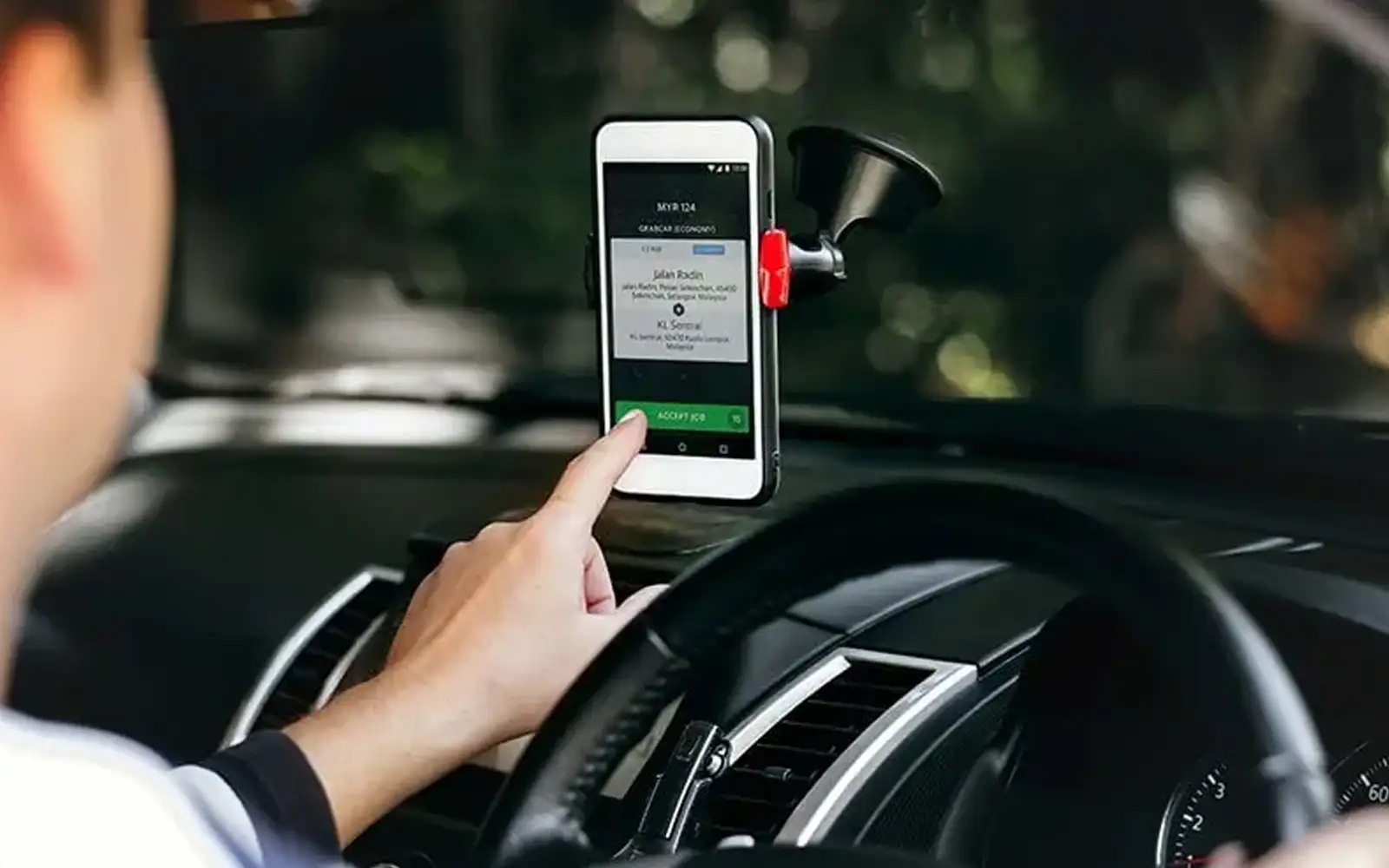
Malaysia's e-hailing industry has revolutionized the way Malaysians travel, offering convenience and flexible earning opportunities. However, behind this convenience lies a significant economic imbalance that needs to be addressed. Drivers bear the brunt of the costs associated with providing the service, including fuel, maintenance, insurance, financing, and vehicle depreciation.
They also absorb the costs of traveling to pick-up points, returning without passengers, and waiting between bookings. This economic imbalance raises a fundamental question: how can we protect the livelihoods of drivers without making everyday mobility more expensive for the public?
The key challenge lies in understanding that what passengers pay and what drivers actually earn are not the same thing. Two drivers, for example, may complete the same number of journeys in a given period, but one may earn more despite charging a lower fare. This is because driver earnings depend not only on the fare charged per trip but also on factors such as waiting time, operating expenses, and the total productive hours worked throughout the day.
Therefore, it is crucial to measure driver welfare based on the amount retained after expenses and the number of productive hours achieved, rather than focusing solely on individual fares.
To develop effective policies, it is essential to conduct a thorough analysis of the financial pressures faced by drivers and the economic realities of the e-hailing industry. This involves estimating the costs of operating an e-hailing vehicle, such as fuel, maintenance, insurance, and depreciation, as well as considering the impact of waiting time and other non-earning periods on drivers' actual take-home earnings.
Additionally, a uniform national fare formula may not be the best approach, as conditions vary across different regions and may disadvantage certain drivers while benefiting others.
The Gig Workers Act 2025 presents an opportunity to reevaluate the distinction between setting minimum passenger fares and protecting minimum driver earnings. Rather than imposing a uniform fare floor, policymakers should consider setting a minimum driver remuneration that accounts for reasonable expense recovery. This approach would provide more direct protection to drivers while taking into account factors such as unpaid working time, such as dead mileage.
It is also important to ensure platform accountability by enforcing transparent commission deductions and educating drivers about how their earnings are calculated.
In addition to fare reforms, policymakers should explore alternative measures to improve first- and last-mile connectivity without placing the burden solely on drivers. Targeted subsidies, integrated ticketing systems, and demand-responsive transit options could provide affordable transportation alternatives without compromising driver earnings. These measures should be carefully assessed for their impact on platform viability, competition, and passenger prices.
Ultimately, Malaysia must conduct a comprehensive assessment of driver operating costs, actual take-home earnings, unpaid mileage, working hours, platform deductions, and passenger affordability. This evidence-based approach will inform the development of regulations that protect driver earnings without disproportionately increasing the cost of mobility for the public.
By considering all relevant factors and avoiding a one-size-fits-all approach, Malaysia can strike a balance between supporting the livelihoods of e-hailing drivers and maintaining affordable and accessible mobility for all Malaysians.
Written by urgent.news from Free Malaysia Today's reporting — not their text. Machine-written — may contain errors; check the original before relying on it.
Also reported by 1 other outlet
- Protect Malaysia’s e-hailing drivers without pricing out passengers freemalaysiatoday.com