Proposal to narrow definition of corruption draws flak
A proposal to narrow the legal definition of corruption has prompted concerns of weakening anticorruption campaigns.
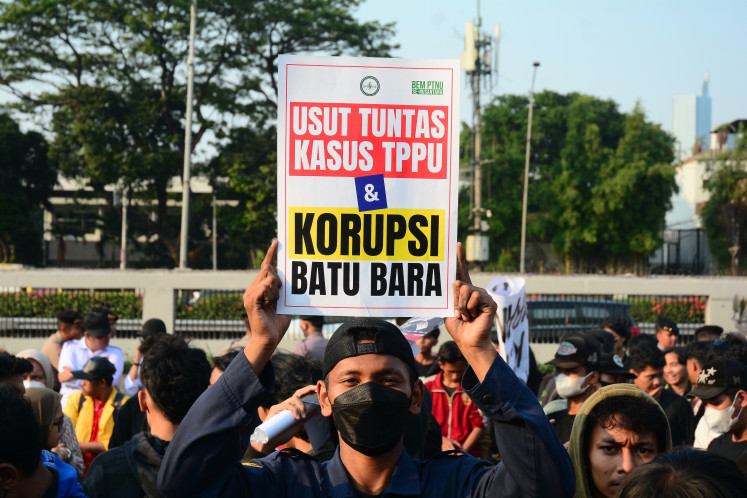
A proposal to tighten the legal definition of corruption has sparked criticism, potentially undermining anti-corruption efforts. Last Tuesday, the National Economic Council (DEN) chairman Luhut Binsar Pandjaitan suggested decriminalizing financial losses to the state, to allow the state asset fund Danantara greater flexibility in taking business risks.
Illicit enrichment leading to state losses is already considered corruption under existing laws, alongside bribery, embezzlement, kickbacks and unlawful gratuities. The move aligns with the United Nations Convention Against Corruption (UNCAC), which does not mandate proof of financial losses as evidence of corruption, unlike Indonesian law that places significant emphasis on such losses.
However, the proposal has been widely rejected. The Corruption Eradication Commission (KPK) argues the state losses provision remains crucial for tackling sophisticated forms of corruption. Politicians from various parties, including pro-government groups and opposition parties, have also voiced opposition to the proposal.
Written by urgent.news from The Jakarta Post's reporting — not their text. Machine-written — may contain errors; check the original before relying on it.