Not every maritime threat needs a warship: Why Singapore is turning to offshore patrol vessels
From maritime terrorism to drones, navies face a wider range of threats that do not always fit neatly into either law enforcement or conventional warfare.
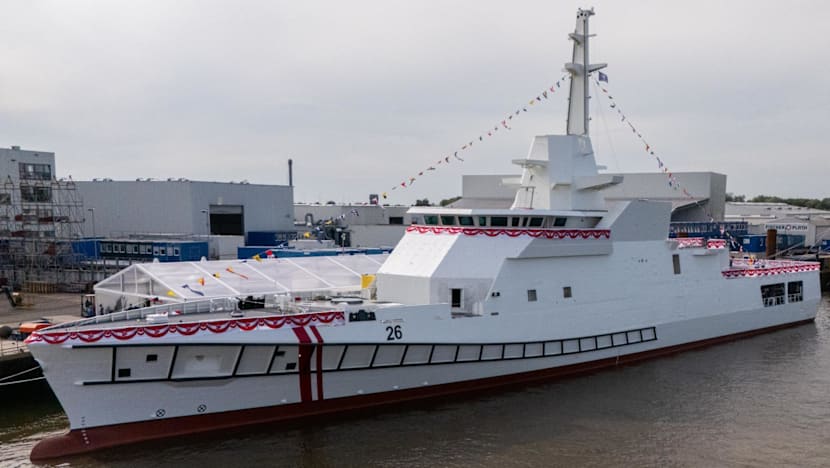
Singapore's navy has launched its first Sentinel-class offshore patrol vessel, marking a shift in how it approaches maritime security threats beyond traditional law enforcement and conventional warfare. These offshore patrol vessels, with their distinctive white hulls, offer a more measured and targeted response to a broader range of maritime risks, according to defence experts.
Unlike heavily armed warships, these vessels are designed to handle diverse threats such as maritime terrorism, drone incidents, and undersea infrastructure dangers. The move comes as Singapore's strategic maritime routes, crucial for global trade, face evolving challenges. The Strait of Malacca and Singapore, unlike the conflict-ridden Strait of Hormuz, boast a cooperative approach among regional nations to keep these waterways secure.
While threats like piracy and sea robbery remain significant, modern naval operations must also contend with drones and undersea infrastructure risks. The recent attacks on Singapore-registered vessels in the Strait of Hormuz highlight the need for versatile naval capabilities, but regional cooperation and shared interests mitigate some of these challenges in the Straits of Malacca and Singapore.
Written by urgent.news from CNA - Singapore's reporting — not their text. Machine-written — may contain errors; check the original before relying on it.
This story
This is one outlet's version. Read the fullest account.