New species of underground amphibian named after Chandgadi dialect of Marathi
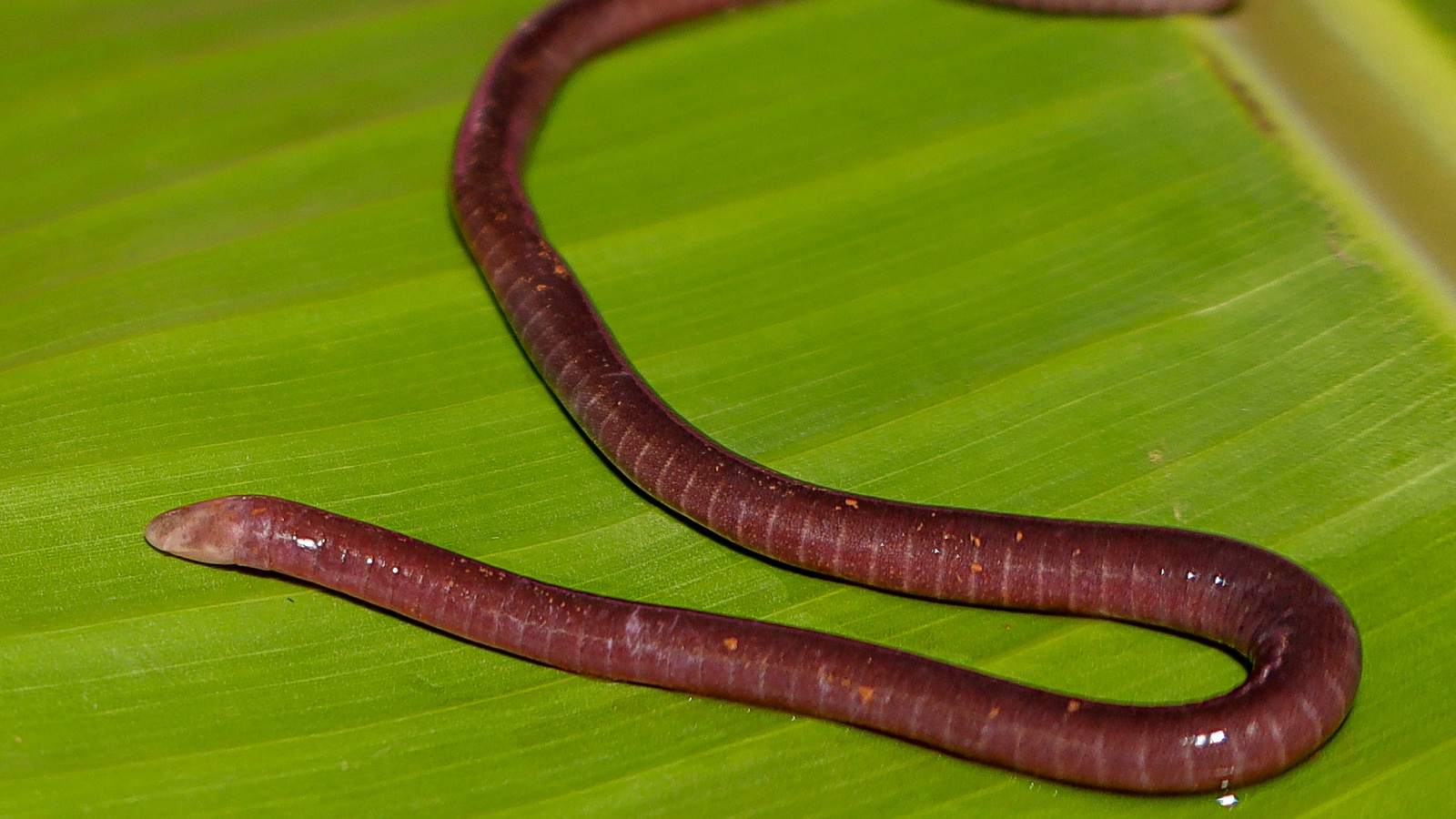
A pile of decaying leaves and wood in a Maharashtra village prompted the discovery of an unprecedented legless amphibian dwelling primarily underground. Researchers found the creature in Buzawade village, Chandgad taluka, Kolhapur district, during monsoon season in August 2025. The Zoological Survey of India published the findings.
This species belongs to a group of amphibians known as caecilians, characterized by their limbless bodies and underground habitats. The new species is named Gegeneophis chandgadi, honoring the Chandgadi dialect of Marathi spoken in the region. The animal was unearthed in Sahil Shikalgar's backyard, who is the lead author of the study.
Locals often mistake similar creatures for large earthworms during gardening. The species is thriving in agricultural and residential areas with ample organic matter, warning against excessive pesticide use. Gegeneophis chandgadi is a member of the Grandisoniidae family. Its cylindrical body features distinctive rings or grooves, a trait common to this caecilian group.
Adults range from 105 to 185 millimeters in length, lack tails, and have a dark flesh-colored upper body, light pinkish head, and translucent pinkish lower belly showing internal organs. Due to their resemblance to earthworms and blind snakes, identifying them can be challenging. Counting the primary and secondary rings along their bodies aids in species differentiation.
This discovery is crucial as the Western Ghats host diverse amphibians, many exclusive to the region. India has documented 41 caecilian species, including 12 in the Gegeneophis genus, with eleven endemic to the Western Ghats. The new species raises the count to seven in the northern Western Ghats. Genetic analysis indicates potential undiscovered species, emphasizing the need for further field surveys.
Currently known only from the Buzawade area, researchers urge classifying it as Data Deficient on the International Union for Conservation of Nature's Red List until more information on its distribution and population is gathered. This discovery underscores the hidden biodiversity beneath our feet and stresses the importance of field exploration and documentation of these elusive subterranean amphibians.
Written by urgent.news from The Indian Express - Lifestyle's reporting — not their text. Machine-written — may contain errors; check the original before relying on it.