Neues Gesetz: Ohne Schnickschnack: Wie Wohnungsbau günstiger werden soll
Weniger Komfort, dafür weniger Kosten: Ein lange erwarteter Gesetzentwurf ist da.
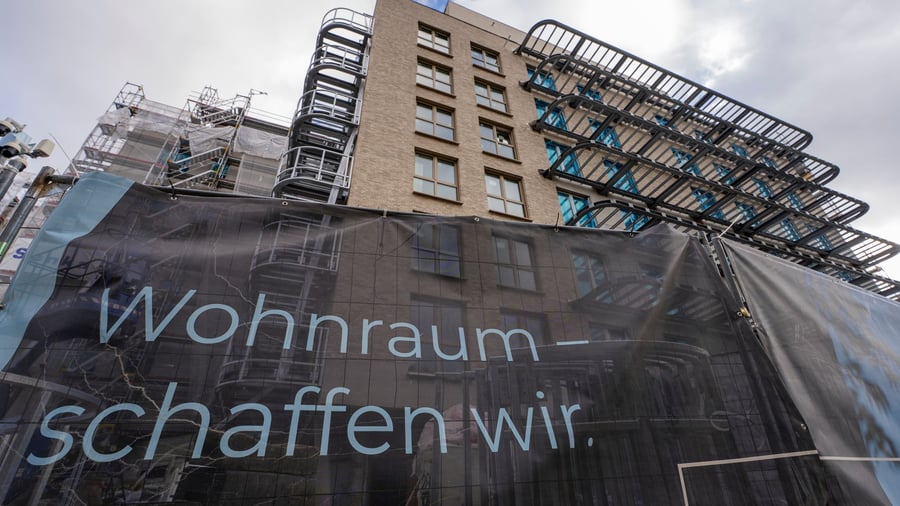
The German government, led by Justice Minister Stefanie Hubig and Construction Minister Verena Hubertz, both from the Social Democratic Party (SPD), has introduced a new law aimed at making building homes less expensive. The legislation, presented on Monday, seeks to simplify the process of construction and allow builders and buyers to opt out of certain comfort standards that add unnecessary costs.
Hubig explained that the solution lies in abandoning expensive extras that are now commonplace but not legally required. Minister Hubertz emphasized that with the building type "E," builders, construction companies, and buyers would regain the freedom to avoid unnecessary complexities. The proposed law aims to change building contract law, making it easier to deviate from non-legally binding standards.
Currently, straightforward building is often hindered by legal uncertainties. In the past, higher standards have become the norm for building materials and technical equipment, causing builders to fear potential liability if they deviate. Going forward, the rule will be that if all parties agree, simpler construction can take place.
If no agreement is reached, current regulations will apply. The legislation is specifically focused on comfort standards that make building unnecessarily expensive, such as reduced floor noise levels, lower ceiling heights, or the absence of towel dryers in bathrooms. Safety and health standards, including fire protection, structural integrity, ventilation, and lighting, must not be compromised.
The principle of "enough is enough" will apply, meaning that buildings will adhere to legal minimum requirements but not exceed them. The ministries have reviewed pilot projects, which indicate that simpler building could reduce construction costs by 10 to 15 percent. It is expected that more housing will be built as a result. While the number of building permits has increased since January, concerns arise due to rising material and energy costs, as well as the ongoing war in Iran, which is driving up the cost of borrowing.
The new regulations are expected to take effect by mid-2027, pending further discussions among federal ministries and the approval process in the Bundestag and Bundesrat.
Written by urgent.news from Handelsblatt's reporting — not their text. Machine-written — may contain errors; check the original before relying on it.