Urgent.News

What's breaking now, across thousands of outlets.

Tech

Let's Encrypt is cutting certificate lifetimes to 64 days, so I automated my renewals

If you've been putting this off like I had, it's time
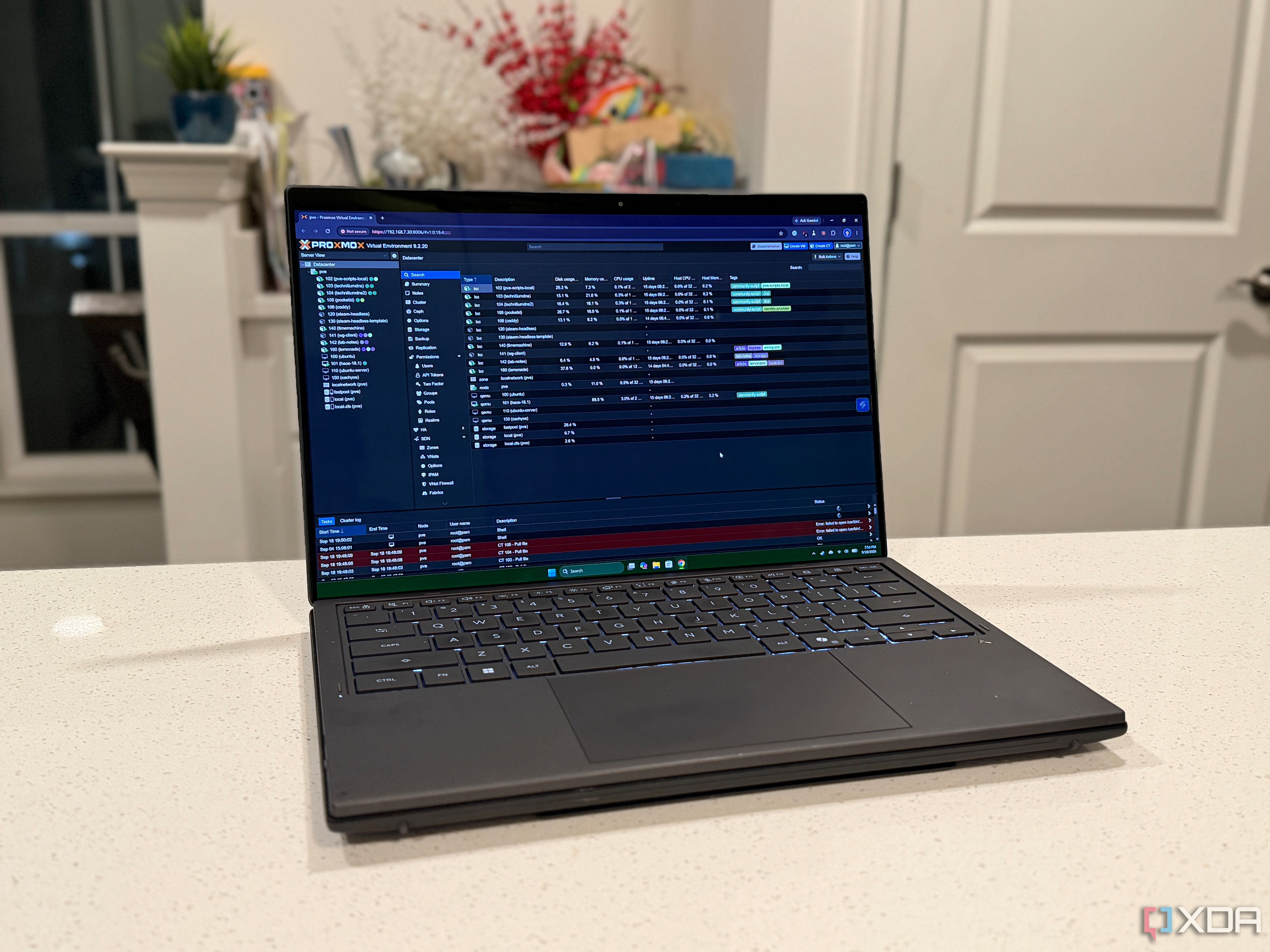
Let's Encrypt is cutting certificate lifetimes to 64 days, so I automated my renewals

For months, I had ignored the numerous "Your connection is not private" warnings that appeared when accessing my homelab devices. However, Let's Encrypt announced that their certificates would become shorter, going from 90 to 64 days in February 2027 and further down to 45 days in 2028. Realizing that many of my devices lacked trusted certificates, I decided to automate the renewal process.

After testing and adjustments, all three devices successfully transitioned to the new 64-day certificates. To ensure compatibility with different systems, I registered separate Cloudflare API tokens for each device, allowing for independent certificate management without relying on a single account.

Written by urgent.news from XDA Developers's reporting — not their text. Machine-written — may contain errors; check the original before relying on it.

Read the original at xda-developers.com →

More in Tech

Tab Debt: Make Room for What Matters

This is a submission for the Hacktoberfest Open-Source AI Challenge Week 3: Slow and Steady What I Built Tab Debt is an AI-assisted Chrome extension that helps clean up inactive and duplicate browser…

  • Tab Debt extension uses AI to manage browser tabs effectively
  • Identifies and removes inactive and duplicate tabs
  • Summarizes tab content and saves as reusable notes

When R Stopped Meaning RISC

From hand-typed hex on a Samsung SPC-1000 to ARM assembly on an embedded Linux board — the long, slightly anticlimactic story of RISC vs CISC.

  • RISC (Reduced Instruction Set Computing) emerged in early computing
  • Author implemented compiler with switch statement in ARM architecture
  • RISC vs CISC debate fizzled, author reflects on learning journey

A Shelf, Not a Feed

Almost all infrastructure for generated work is a conveyor belt. You prompt, it produces, the result slides past, you prompt again.

  • A "shelf" content model differs from a "feed" by sequencing based on judgment, not recency.
  • Neighboring elements on a shelf alter a piece's meaning, creating relationships.
  • The project's challenge lies in honest exclusion and curation, not technical aspects.

More from Sunday 25 October →