Keep waking up at 3 a.m.? This is what sleep doctors want you to know
Sleep doctors outline the common causes of your 3 a.m. wake ups, plus how to fix them so you can stay asleep all night.
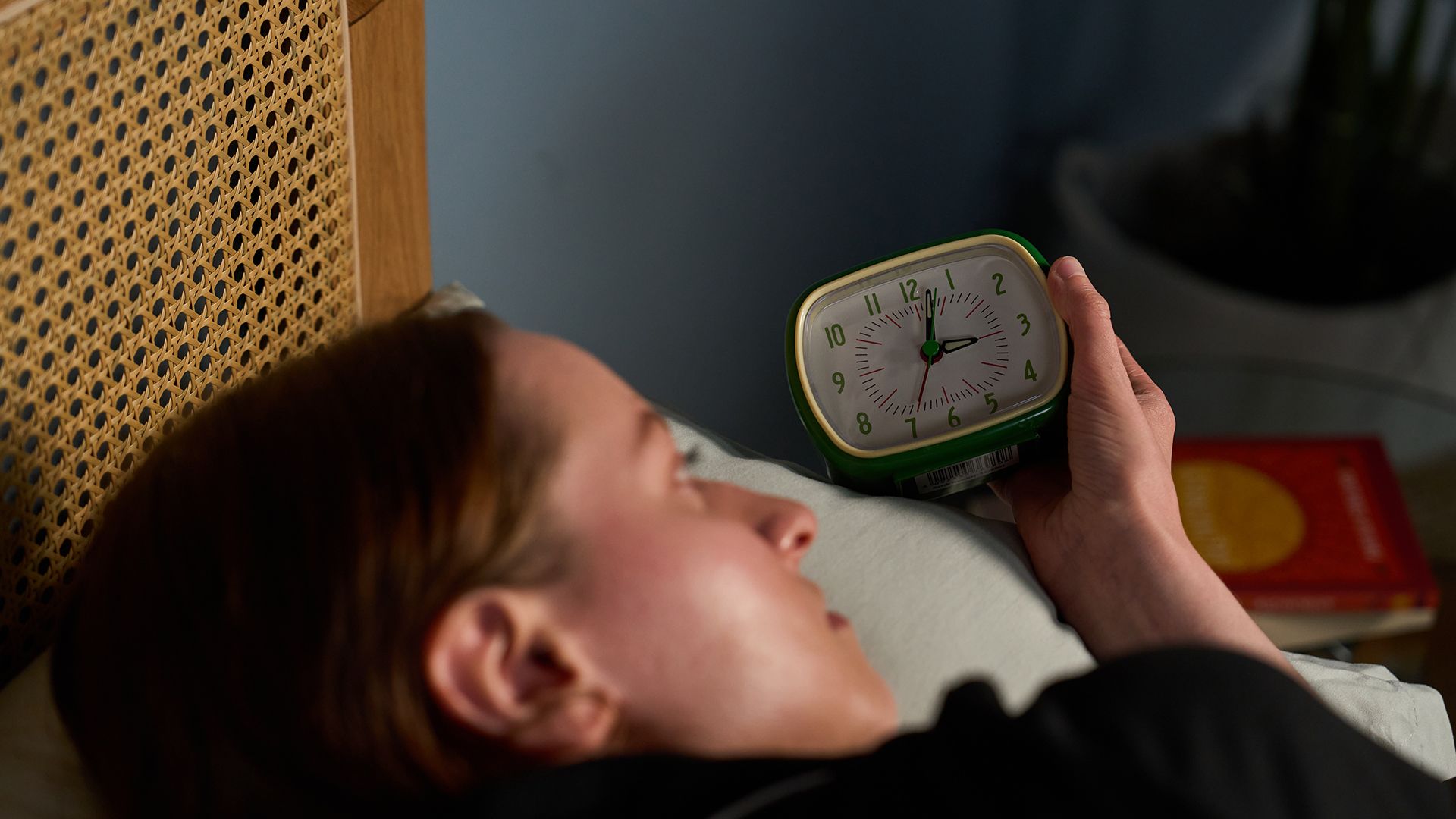
Waking up at 3 a.m. can be frustrating, leaving you feeling exhausted the next day. However, sleep experts explain that this is a normal part of the sleep cycle. Dr. Chris Winter, a double board-certified sleep specialist, notes that we cycle through lighter and deeper sleep every 90 minutes, resulting in brief awakenings. The issue arises when you become alert and cannot fall back asleep. There are several common causes for waking up at 3 a.m.
One possible reason is high cortisol levels, also known as the Cortisol Awakening Response (CAR). Cortisol helps us feel alert upon waking, but if our baseline cortisol levels are already high due to stress or anxiety, this natural rise can wake us up. Insomnia and sleep issues like needing to urinate, acid reflux, or sleep apnea can also cause frequent nighttime awakenings. If you notice loud snoring, gasping for air, or feeling unrefreshed after sleep, consult your doctor.
Temperature fluctuations in your bedroom can also disrupt sleep. The optimal sleep temperature is between 65 to 70° F (18 to 21 °C). When the temperature deviates from this range, it may cause you to wake up. Additionally, late heavy meals, alcohol, and caffeine consumption can negatively impact your ability to stay asleep. Alcohol metabolizes throughout the night, fragmenting sleep, while food and caffeine can cause restlessness.
Your bedroom environment plays a significant role in sleep quality. Clutter, an uncomfortable mattress, and ambient light from electrical cables can all lead to sleep disturbances. To improve your chances of staying asleep, ensure your bedroom is cool, calm, and comfortable. For further advice on mattress selection, refer to our guide to the best mattresses.
To minimize 3 a.m. wake-ups, consider these three lifestyle adjustments: 1. Maintain a consistent sleep schedule. Regular sleep patterns help anchor your circadian rhythm, leading to deeper and more stable sleep. Focus on waking up at the same time, even on weekends. 2. Increase adenosine levels by engaging in daily exercise and mental stimulation.
As sleep pressure builds from the longer you stay awake, falling and staying asleep becomes easier. Avoid afternoon naps and maintain a consistent bedtime. 3. Address stress head-on. Stress and anxiety can be barriers to a good night's sleep. If stress or hormonal fluctuations due to menopause or perimenopause are causing your sleep issues, consider seeking medical advice.
For everyday stress, write down your thoughts in a journal before bed, and try short bursts of daily exercise, a regular wind-down routine, or vagus nerve stimulation as recommended by sleep experts.
Written by urgent.news from Tom's Guide's reporting — not their text. Machine-written — may contain errors; check the original before relying on it.