Iran FM says war won't change Tehran's stance
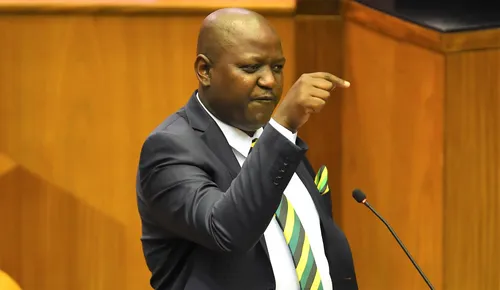
Maximalist stances by both the United States and Iran are hindering the resolution of the Middle East conflict, according to Anwaar Ul Haq Kakar, a former Prime Minister of Pakistan. "When you adopt a maximalist approach, that becomes a roadblock," Kakar stated in an interview from Islamabad. Both nations have disagreed on the extent and timing of commitments to end the war, including the lifting of the US blockade of Iran's seaports, reopening of the Strait of Hormuz, sanctions relief for Tehran, and guarantees of an end to fighting across all fronts in the region.
Following the onset of US-Israeli operations against Iran in February, Pakistan facilitated the highest-level diplomatic contacts between the two countries in decades, bringing together Iranian and US officials. In June, both countries agreed on a plan to end the war in Islamabad, but the conflict persisted, albeit with reduced intensity.
Pakistan's chief concern is preventing the resumption of military conflict, said Kakar, who served as acting Prime Minister before Shehbaz Sharif took office in March 2024. "This is a desire, this is a wish list. Whether we would be able to achieve that or not, that needs to be tested in probably few days or weeks from now," he added.
US diplomatic personnel have recently withdrawn from the region, suggesting that the US and Israel may be preparing for military strikes, which would be a negative sign. Pakistan, already economically strained by energy price spikes caused by the war, would be further impacted by renewed fighting. With global oil prices surging due to the conflict, Pakistan would suffer adverse economic consequences, including inflation and increased prices for petrol and other commodities.
US President Donald Trump and Israeli Prime Minister Benjamin Netanyahu have advocated for renewed military operations against Tehran, while the US has reportedly prepared for such strikes, though it has ruled out action before the November midterm elections. Israeli elections on Tuesday are unlikely to alter the country's stance on conflict.
Pakistan opposes any escalation of the situation and has been working to keep negotiations alive, with Foreign Minister Ishaq Dar participating in talks with counterparts from Turkey, Egypt, Saudi Arabia, and Europe. These ministers emphasized the need for both parties to cease attacking, rather than the US convincing Iran. Pakistan's role has been limited to mediation, with Kakar stating that the US and Iran are responsible adults in the room.
The complexity of Iran's strategy is compounded by various schools of thought among the ruling elite, ranging from pragmatists to ideologues. Despite recent opposition to a defense pact with Saudi Arabia and Turkey, Kakar noted that there is room for political debate over the pact's ratification.
Written by urgent.news from The National UAE's reporting — not their text. Machine-written — may contain errors; check the original before relying on it.
This story
This is one outlet's version. Read the fullest account.