IAS vs state civil services: Does power justify rudeness? An ethics case study on professional behaviour
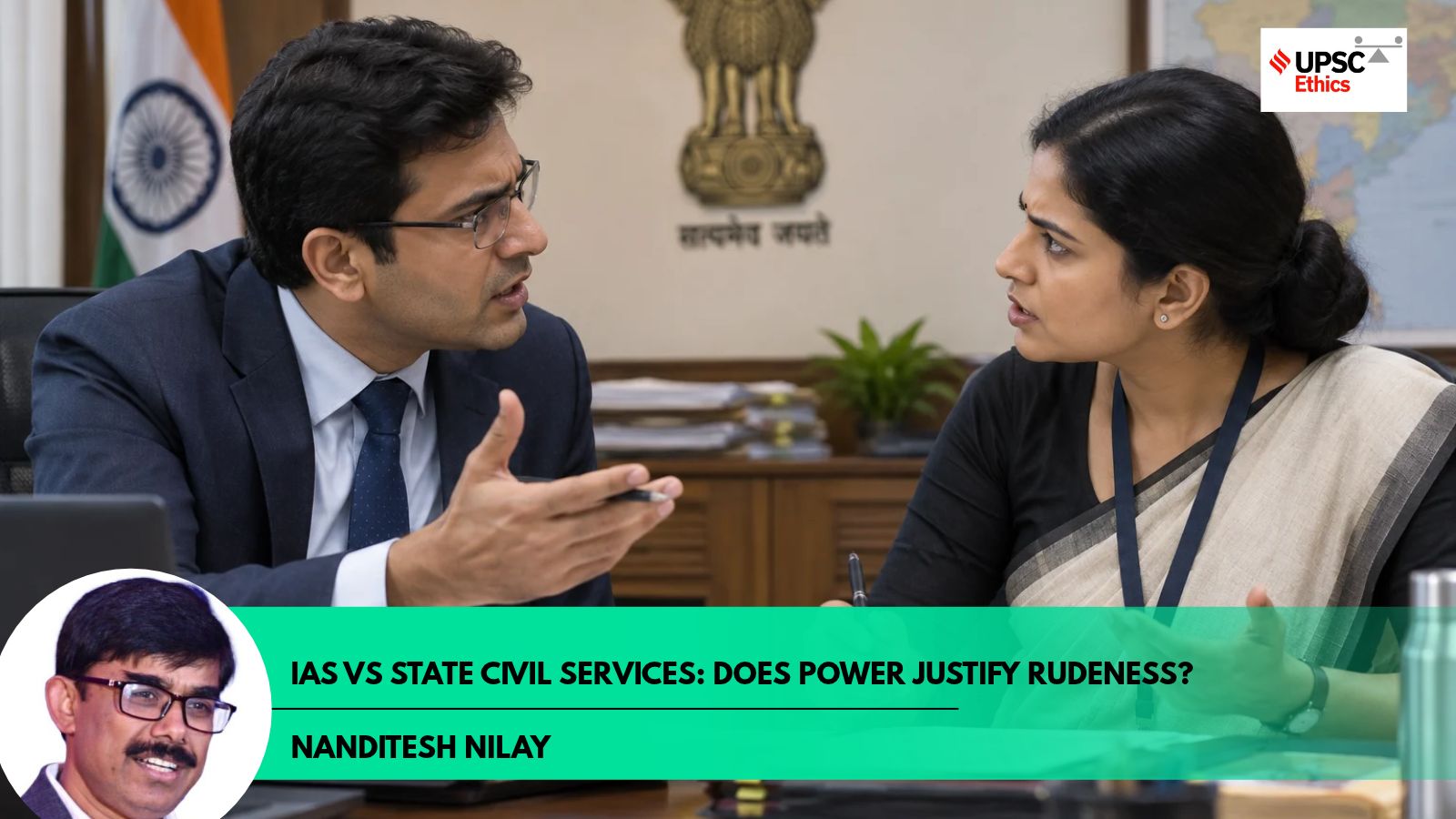
The controversy surrounding IAS officer Rajeev Ranjan Kumar and Kashmir Administrative Service (KAS) officer Beenish Wani has sparked debate over the ethical exercise of power and professional behavior. While the allegations require investigation, they serve to highlight key ethical principles in public administration. Ethical leadership begins with respect for subordinates, acknowledging that a leader's conduct reflects their values.
Rule 3 of the All India Services (Conduct) Rules, 1968 mandates absolute integrity and decorum from civil servants, prohibiting any unbecoming behavior. Emotional intelligence, comprising self-awareness, self-regulation, motivation, empathy and social skills, is vital for civil servants. Effective leaders manage their emotions, understand others' feelings, and respond appropriately in difficult situations.
Rudeness, such as interrupting subordinates, refusing to listen, using personal insults or making threats, indicates a lack of emotional self-regulation. Conflict resolution through reasoned disagreement and professional assertion demonstrates moral courage, standing up for ethical standards while respecting authority. Leadership entails balancing authority with dignity, empathy and self-restraint, fostering a workplace grounded in trust, accountability and cooperation.
Written by urgent.news from The Indian Express's reporting — not their text. Machine-written — may contain errors; check the original before relying on it.