Gulf economies accelerate diversification as recession looms over Iran war
Before the outbreak of the war triggered by the US-Israeli attack on Iran in February, the Gulf monarchies were living the prosperity dream that was the envy of the world. Their hydrocarbon-fuelled economies were glitzy oases of growth, inoculated from the conflict in Gaza that had rocked other parts of the Middle East for several years. Underpinned by decades-old US security guarantees and…
The Gulf monarchies experienced significant economic growth before the war that began with the US-Israeli attack on Iran in February. These oil-rich nations, including Saudi Arabia, the United Arab Emirates, and Qatar, were thriving and attracting global admiration for their vibrant economies. Backed by substantial investments from their sovereign wealth funds, which were primarily stationed in the West, these Gulf states embarked on ambitious diversification programs to shift away from their dependence on hydrocarbons.
Analysts believed that this transition was crucial for preserving the political legitimacy of the Gulf monarchies, particularly in light of the escalating tensions in Gaza and the subsequent war in Iran. However, the peace was short-lived. After the Gaza ceasefire, Israeli Prime Minister Benjamin Netanyahu convinced US President Donald Trump to launch a war against Iran.
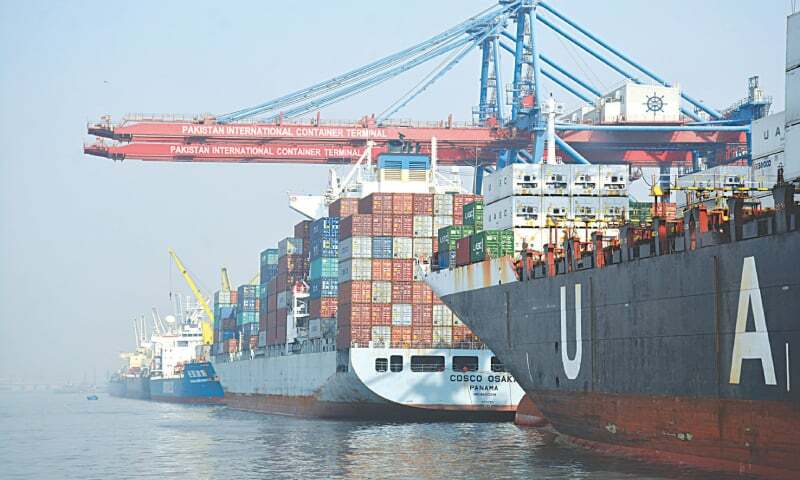
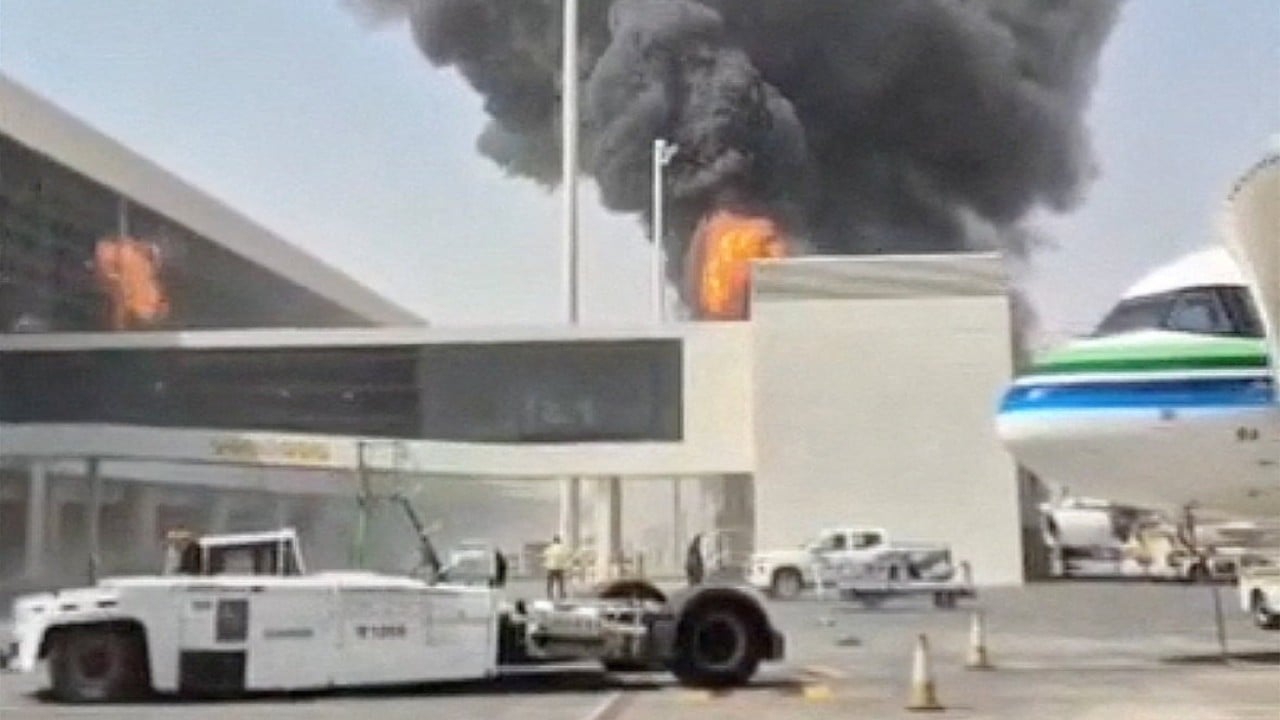
Iran retaliated by attacking energy infrastructure, airports, and shipping vessels in the Strait of Hormuz, causing instability and uncertainty in the Gulf region. Additionally, the eruption of war between Saudi Arabia and Yemen's Houthi rebels further exacerbated these concerns. In response, GCC governments unveiled comprehensive plans to stabilize their economies.
However, the economic implications of the war were dire. Saudi Arabia's and the UAE's economies, the largest in the GCC, were on the verge of a technical recession, with Saudi Arabia's GDP declining by 4.8% in the second quarter and the UAE's economy falling by 2.1% from the previous quarter. Qatar's economic situation was even worse, with a staggering 15.7% GDP contraction in the second quarter, compared to a 7% drop in the first quarter.
According to projections from the International Monetary Fund, the UAE is expected to experience a 3.9% GDP reduction in 2026, while Saudi Arabia is forecasted to decline by 3.3% this year. Bahrain, Kuwait, and Qatar are anticipated to record double-digit GDP contractions in 2026. While the World Bank has forecasted a rebound in GCC economies in 2027, provided that hostilities end and the Strait of Hormuz remains open, the road to recovery will be challenging.
Analysts predict that the Gulf states will invest hundreds of billions of dollars in infrastructure development, including a cross-GCC oil pipeline bypassing the Strait of Hormuz, estimated to cost $55 billion. The Gulf's sovereign wealth funds, along with foreign partners, will play a vital role in funding and propelling the economies back on track.
Written by urgent.news from South China Morning Post's reporting — not their text. Machine-written — may contain errors; check the original before relying on it.