Forget the House and the Senate, the economy may hinge on state and local races in the midterm elections
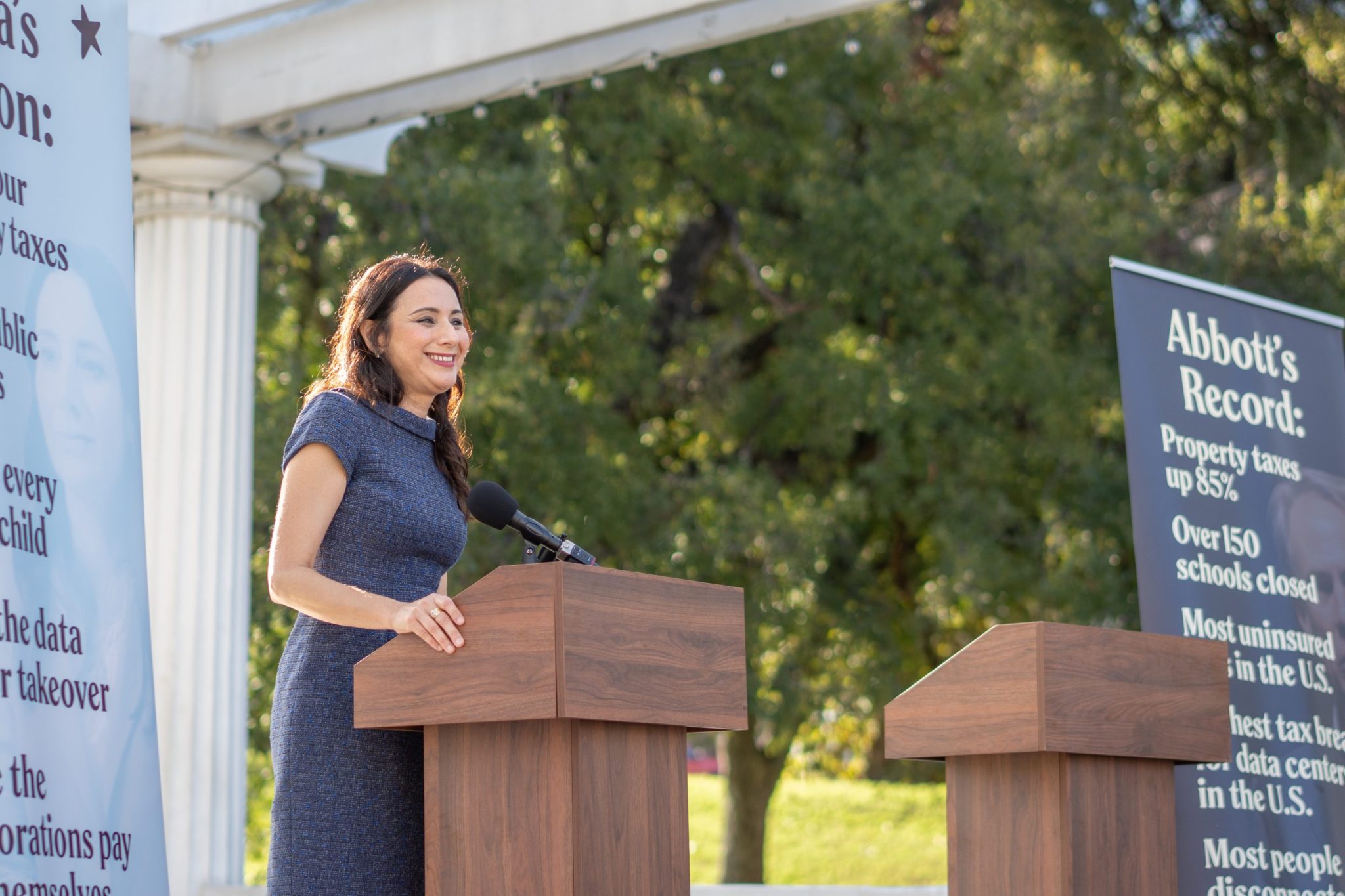
Data centers have become a central focus of the midterm election cycle, with candidates for the House and Senate campaigning on this issue. However, state and local officials wield more influence over the construction of data centers and energy infrastructure, potentially shaping the economy's future. Companies like Amazon and hyperscalers have spent hundreds of billions annually on data centers, with forecasts predicting a $1 trillion investment by 2027.
JPMorgan estimates that AI-related investment accounted for about one-fifth of GDP growth in the past year. ING analysts believe AI will contribute to a third of growth in 2026.
With Election Day approaching and early voting underway, concerns about a potential Democratic "blue wave" in state and local races may impact the stock market. If stocks continue to decline, it could be due to fears that a Democratic majority in lower-level government will oppose data centers. Thierry Wizman, a Macquarie strategist, stated that the composition and direction of governance at the state level may hold more significance for the U.S. economy than whether Democrats take control of the House or Senate.
Recent events have demonstrated this dynamic. Amazon recently canceled plans to build data centers in Loudoun County, Virginia, following backlash from residents. The company will repurpose the property for mixed-use and residential development, as well as contribute to a community arts center and housing fund. In Texas, a state known for its AI industry, Republican Governor Greg Abbott has shifted from a supporter of data centers to a critic ahead of a re-election race against Democratic state representative Gina Hinojosa.
Michael Pearce, an Oxford Economics chief U.S. economist, emphasized that state and local elections may pose a more significant risk to data center construction than congressional races.
Data center construction is vulnerable to moratoriums, environmental reviews, and delays in connecting new facilities to the power grid at the local level. Midterm races for state capitals and town halls may present more significant threats to data center development than what happens in Washington, D.C. The Trump administration has utilized regulations and executive orders to facilitate construction, but comprehensive legislation in Congress is expected to be slow.
The outcome of the midterms could influence the presidential election cycle. If anti-data center sentiment proves successful in state and local elections, it could become a central issue in the 2028 campaign. Data center construction has already increased in the middle of the year, anticipating a potentially more hostile political climate.
While local opposition could potentially slow the economy, data center spending generates economic value primarily through the acquisition of computing equipment, with a six to eight-quarter lag before construction impacts. This ongoing spending is expected to maintain business investment over the next couple of years, regardless of local opposition.
Daniel Skelly, a Morgan Stanley Wealth Management portfolio manager, believes that despite recent stock market volatility, the AI sector still exhibits strong growth and solid earnings. He also suggests that long-term AI investment and factors such as power deficits, a shortage of skilled workers, and political opposition could prolong the cycle, potentially reducing the likelihood of a significant downturn.
Written by urgent.news from Fortune's reporting — not their text. Machine-written — may contain errors; check the original before relying on it.