Eye on China: Japan reopens taboo debate over nuclear-powered submarines
With China flexing its naval power across the Pacific and bilateral tensions running high, Japanese Prime Minister Sanae Takaichi is weighing a move long viewed as taboo – nuclear-powered submarines for the Maritime Self-Defence Force fleet. “We will seriously consider [the possibility] in a concrete and realistic manner,” Takaichi told the Japanese parliament on October 14. Yet with Tokyo set to…
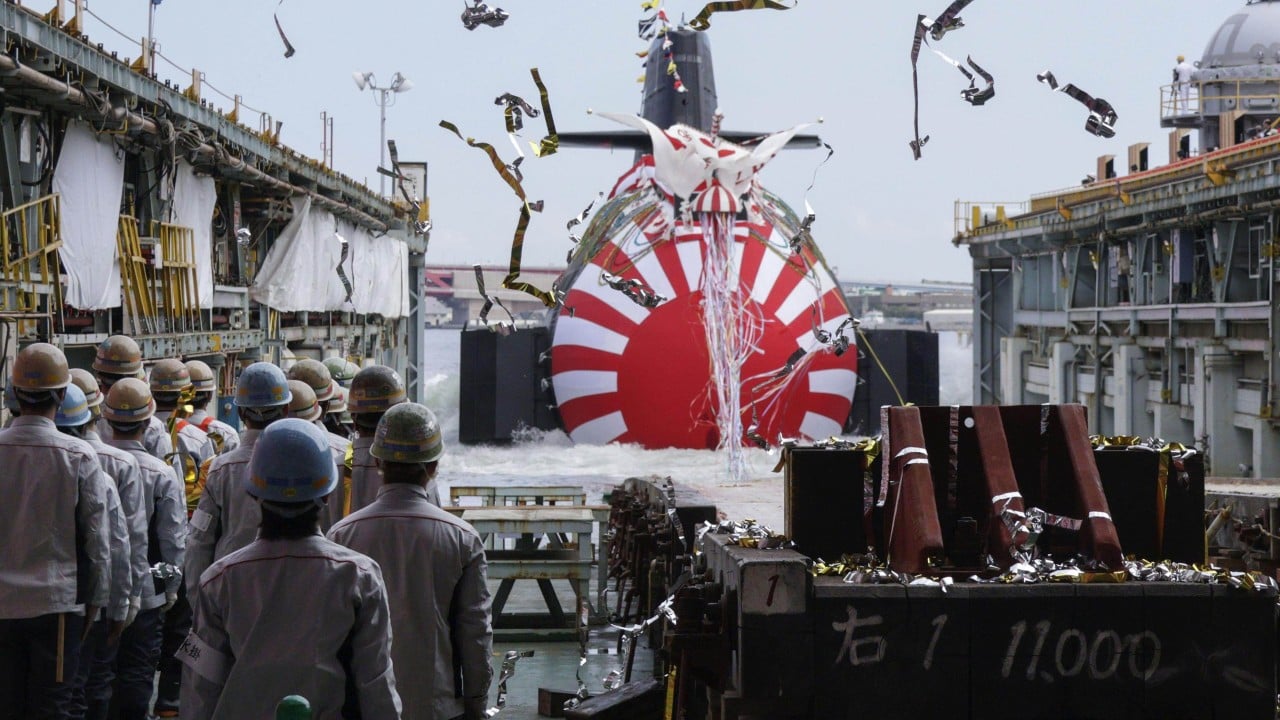
Japan is reconsidering the controversial idea of deploying nuclear-powered submarines in its Maritime Self-Defence Force fleet. Prime Minister Sanae Takaichi said that Tokyo will "seriously consider" the possibility in a concrete and realistic manner. However, the proposal has sparked debate within the ruling coalition. The junior coalition partner, the Japan Innovation Party, favors introducing nuclear propulsion quickly, while some lawmakers from Takaichi's Liberal Democratic Party question whether the military benefits justify the high costs and legal hurdles.
The debate comes amid rising tensions with China and concerns over Beijing's expanding military operations in the western Pacific. In October, Defence Minister Shinjiro Koizumi told parliament that Japan's pacifist constitution does not prohibit nuclear propulsion for military vessels, but the Atomic Energy Basic Act restricts nuclear energy to peaceful purposes. Takaichi's cabinet reaffirmed this stance later in the month.
China has criticized the proposal, with a foreign ministry spokeswoman accusing Tokyo of seeking to gradually loosen its nuclear restrictions and linking it to broader discussions on Japan's nuclear policies. She warned that such moves could threaten regional peace and stability.
The proposal faces significant challenges. Japan's conventional submarines are well-suited to defending the maritime chokepoints around its southwestern islands, where operating quietly at low speeds is crucial. Nuclear-powered submarines, on the other hand, offer greater speed and range. However, they are significantly more expensive to buy and operate, estimating costs ranging from two to three times for purchase and four times for operation compared to conventional boats.
A recent study estimated that for similar expenditure, Japan could acquire and maintain either six nuclear-powered attack submarines or 10 large conventional missile submarines. The researchers concluded that conventional missile submarines combined with underwater drones would likely offer better value for conventional warfare. While nuclear propulsion becomes more valuable further from home, some question whether Japan should prioritize such missions, given that the US Navy is strongest in distant open-ocean operations.
Developing nuclear-powered submarines would require substantial financial and technical investments. Japan would need entirely new military infrastructure, including nuclear reactors, specialized shipyards, maintenance facilities, nuclear-safety systems, and trained personnel. The transition is expected to take a decade or more, even if development begins now. This raises questions about whether Japan should invest in this advanced but costly technology at this time.
Written by urgent.news from Reuters Business via SCMP's reporting — not their text. Machine-written — may contain errors; check the original before relying on it.