‘Everyone is hedging.’ As the U.S. and China divide the world into rival AI blocs, that lends power to ‘swing countries’ in between
Kazakhstan is benefiting from both U.S. and Chinese investments, but is in a “very precarious spot.”
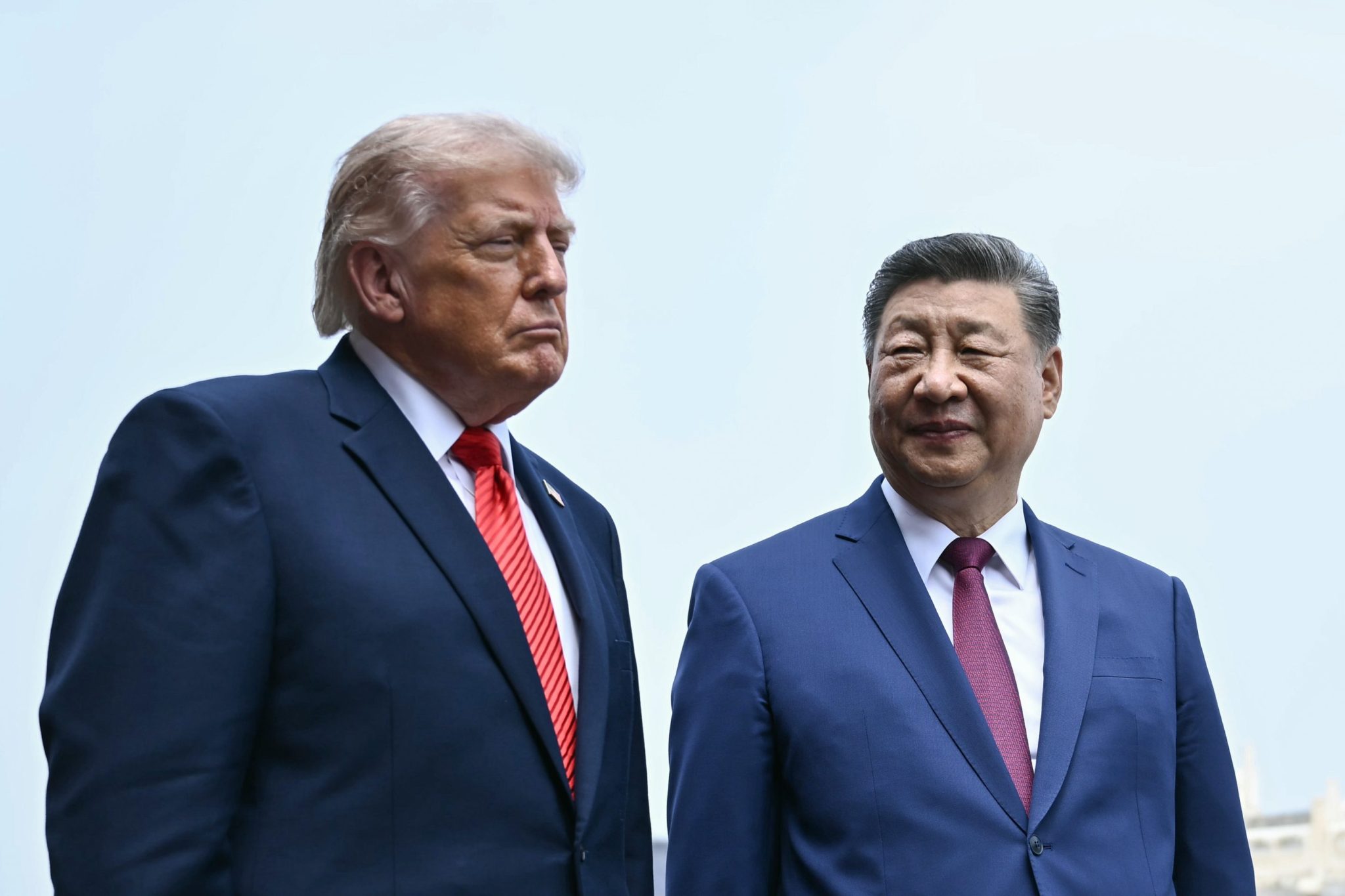
As the United States and China divide the world into rival AI blocs, other countries are finding themselves in a precarious position. Experts warn that the window for nations to choose freely between the two AI superpowers may be closing, forcing them to pick either U.S.-led Pax Silica or China's World AI Cooperation Organization. This dilemma puts many countries in a dilemma: whether to go with the U.S.'s most advanced chips and AI technologies or join China's more affordable, open-source AI systems.
Kazakhstan, a Central Asian nation of about 21 million people, is an example of a country attempting to bridge the gap between the two AI blocs. Just three weeks after its AI minister visited Washington to join the U.S. group, he headed to Shanghai to become a founding member of China's initiative. The country hopes to have a voice in setting both regional and global AI standards, despite being in a "very precarious spot" with its rich critical mineral resources and cheap electricity for data centers.
Kazakhstan has signed an investment deal worth up to $10 billion with Nvidia, while Chinese companies have invested a record $2.8 billion in the country.
Written by urgent.news from Fortune's reporting — not their text. Machine-written — may contain errors; check the original before relying on it.
This story
This is one outlet's version. Read the fullest account.
- As the US and China form AI blocs, countries are increasingly torn between them winnipegfreepress.com