Cultivation of large cardamom emerges as a lucrative option for higher income from limited land
A farmer in Himachal Pradesh's Bilaspur district has cultivated large cardamom for 20 years, producing 2-3 quintals annually on about one bigha of land. Priced at around Rs 1.8 lakh per quintal, the crop offers an alternative income source for farmers with reliable irrigation, according to the agriculture department.
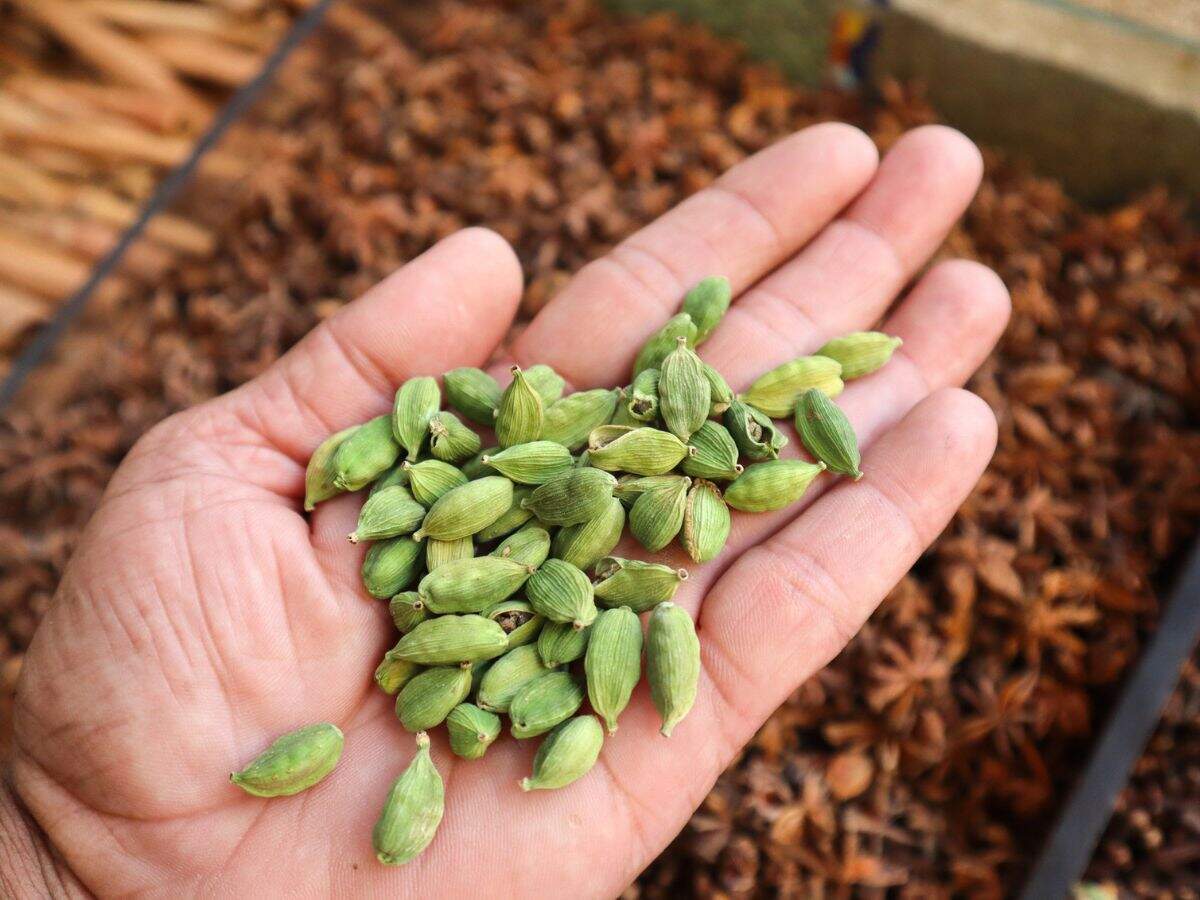
Bilaspur, Himachal Pradesh: Cultivation of large cardamom presents a lucrative opportunity for farmers to boost their income, according to Kulbhushan Dhiman, Deputy Director of Agriculture. This crop thrives in environments where it is not vulnerable to wild animals or birds, which provides farmers with a welcome respite.
Dhiman emphasized that large cardamom commands good prices in the market, making it an attractive alternative for farmers seeking to diversify their crops and generate additional revenue on limited land. Prem Lal Thakur, a long-time farmer from Karot village in Bilaspur district, has become a role model for others by successfully cultivating large cardamom for 20 years.
Dhiman stated that the Agriculture Department, in partnership with Prem Thakur, will actively promote this initiative to other farmers, aiming to create new income streams and bolster the farmers' economic condition. Initially, Thakur started with a small plot, but due to impressive yields and favorable market prices, he has expanded the cultivated area.
Farmers with access to sufficient and consistent irrigation can further increase their income by growing large cardamom. Thakur shared his experience, noting that he harvests around 2 to 3 quintals of large cardamom annually from an area of about one bigha using natural farming methods. This crop fetches a market price of approximately Rs 1.80 lakh per quintal, or Rs 1,800 per kilogram.
By leveraging local resources, large cardamom cultivation can serve as a viable income source for farmers, particularly in regions where traditional crops yield low returns. Thakur explained that plants should be spaced about three feet apart and stressed the importance of adequate water supply for optimal growth and higher harvests.
Harvesting takes place in November and December, after which the crop must be cleaned, washed, and dried thoroughly before sale. Proper after-harvest care ensures the quality of the final product. Large cardamom is valued both as a culinary spice and in the production of medicinal items due to its unique aroma and utility, maintaining consistent demand in the market.
As the younger generation begins to view farming not just as a traditional occupation but also as a means of self-employment and income generation, large cardamom cultivation can offer an appealing opportunity.
Written by urgent.news from The Economic Times - Economy's reporting — not their text. Machine-written — may contain errors; check the original before relying on it.