Crude oil near $120, to intensify headwinds for economy, but tailwinds likely to reduce pressure
Union Budget has estimated fertiliser subsidy at ₹1.70 lakh crore. However, according to Controller General of Accounts (CGA), outgo has already crossed ₹1.03 lakh crore in first five months
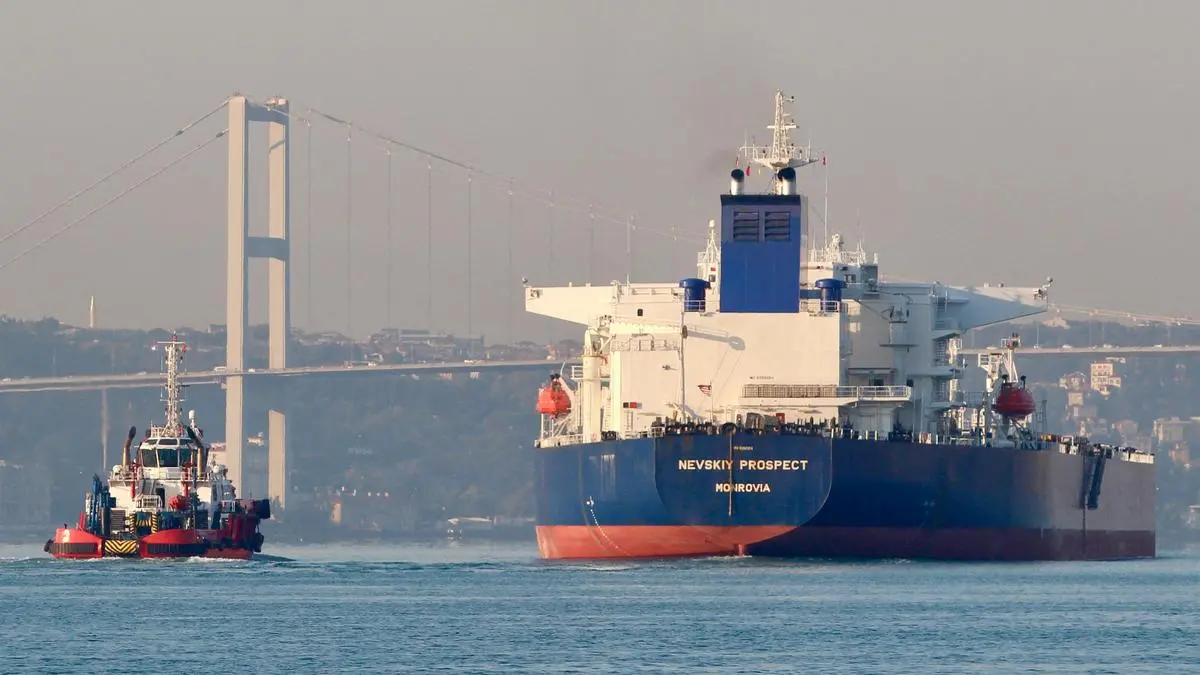
Brent crude prices have risen near $120 amidst escalating tensions between Saudi Arabia and the Houthi rebels, posing challenges to India's economy. However, economists express hope that certain tailwinds may provide respite to government finances. The Union Budget has projected a fertiliser subsidy of ₹1.70 lakh crore, with actual outgo already exceeding ₹1.03 lakh crore in the first five months.
According to a senior government official, the total outgo could surpass ₹3 lakh crore, with some estimating it may even reach ₹3.5 lakh crore.
Despite higher fuel prices, LPG cylinder prices are still under recovery, with a ₹327 increase per cylinder. D K Srivastava, Chief Policy Advisor at EY India, anticipates that elevated crude prices will persist in the $115 to $120 range for an extended period, negatively impacting real GDP growth and increasing CPI inflation. RBI's projections for the second half of 2026-27 were based on a baseline crude price assumption of $95/bbl.
However, a sustained increase of $20/bbl. in global crude prices is expected to lower real GDP growth from 7.1 per cent to 7 per cent and increase CPI inflation by 0.5 percentage points, from 5.2 per cent to 5.7 per cent.
This implies that nominal GDP growth may increase while real GDP growth remains lower compared to the RBI's October 2026 projections. If realized tax buoyancies are maintained, this could positively impact the government's tax revenues. Sunil Kumar Sinha, an economics professor, estimates that the increased fertiliser subsidy could widen the 2026-27 fiscal deficit by 0.4-0.5 per cent of GDP.
However, there are potential mitigating factors, including the RBI's transfer of a ₹2.87 lakh crore dividend, buoyant tax collections (growing by nearly 13 per cent by mid-September 2026), successful disinvestment and monetization efforts, and the availability of a ₹1 lakh crore economic stabilisation fund. Despite these factors, economist D K Pant remains cautiously optimistic, asserting that the fiscal deficit target of 4.3 per cent of GDP appears achievable, with potential slippage not exceeding 4.4-4.5 per cent of GDP.
Written by urgent.news from Hindu BusinessLine's reporting — not their text. Machine-written — may contain errors; check the original before relying on it.