Brazil Chooses Between the Models Offered by Lula da Silva and Flavio Bolsonaro
As happened in the first round 21 days ago, this Sunday, October 25, 158 million Brazilians are eligible to participate in the elections that will decide who will be the new president of the largest country in Latin America: leftist Luiz Inacio Lula da Silva or right-wing Flavio Bolsonaro. The final decision will not only […]
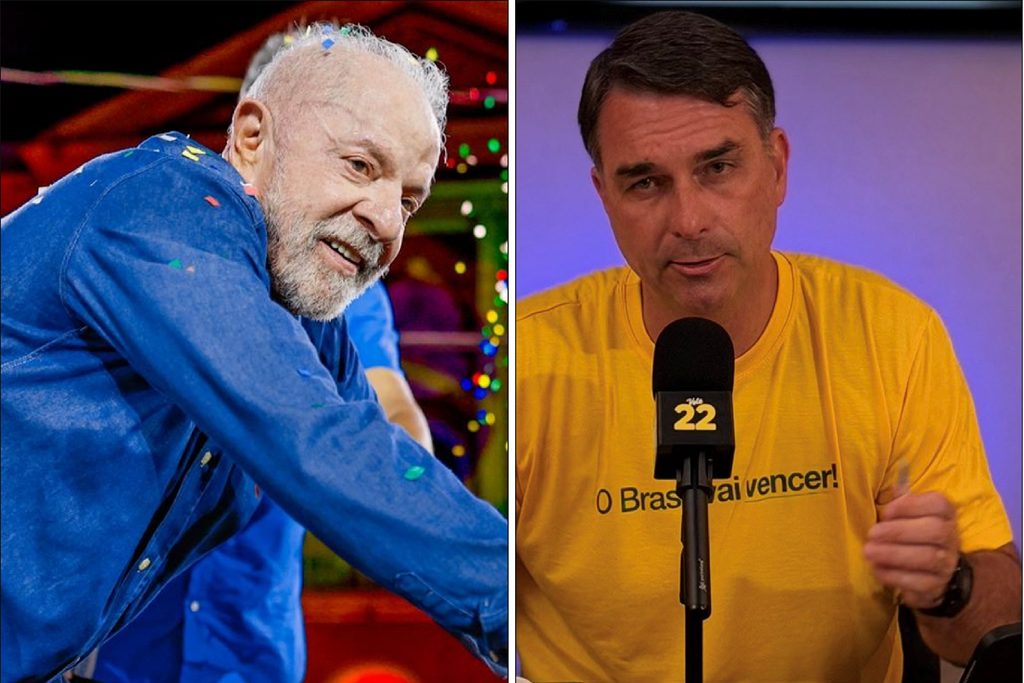
Brazil is preparing for its presidential election on Sunday, October 25, where voters will choose between leftist Luiz Inacio Lula da Silva and right-wing Flavio Bolsonaro. The election outcome will not only impact Brazil's politics but also that of the entire Latin American region, which has been trending rightward in recent years. This trend is driven by citizens' concerns about security, the economy, and corruption.
Progressivism in the region has been struggling due to unfulfilled promises, corruption, and the inability to guarantee security. Progressive projects have been affected by the image of totalitarian left-wing regimes in Cuba, Venezuela, and Nicaragua. Additionally, progressive stances have been criticized for not addressing the excesses of these regimes.
The two main candidates, Lula da Silva and Bolsonaro, are presenting contrasting visions for Brazil's future. Lula da Silva, 84 years old, represents a continuation of a left-wing agenda with social programs, state intervention, and public investment. Bolsonaro, 45 years old, promises to follow his father's path, focusing on security and private initiative while maintaining social programs like Bolsa Familia.
A recent poll showed a tie between the two candidates, with a slight decline for Bolsonaro. However, the Quaest poll detected an increase in undecided voters, particularly women and those receiving Bolsa Familia benefits. Lula da Silva has implemented a series of measures over the past year, totaling nearly 300 billion reais (US$57 billion) for the remainder of 2026 and 2027, which will increase the country's public debt to 82% of GDP.
Voters will have to decide whether they prefer the large, bureaucratic state advocated by the left, or the smaller state proposed by the right. The election will also shape the direction of the region for the coming years, as Brazil is one of the last bastions of the democratic left in Latin America.
Written by urgent.news from Colombia One's reporting — not their text. Machine-written — may contain errors; check the original before relying on it.