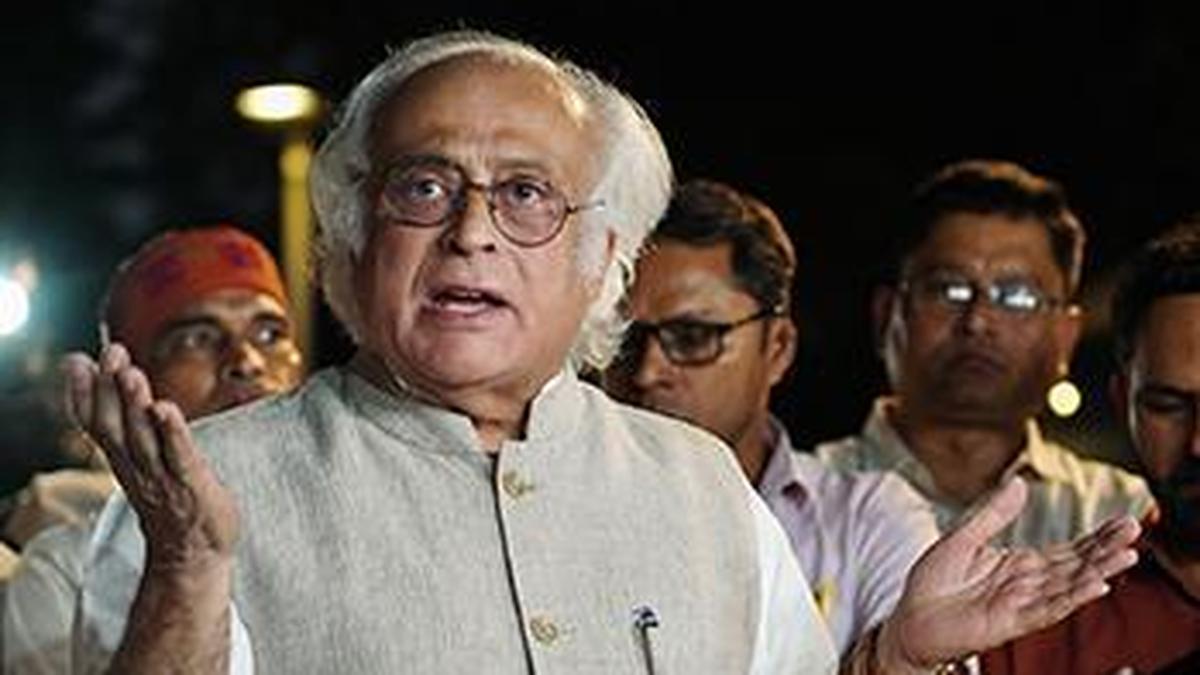
Beijing commemorates end of Japanese rule over Taiwan with call for reunification
Mainland China’s state media and armed forces staged a concerted publicity campaign on Sunday to mark “Taiwan Restoration Day”, the anniversary of the end of Japanese rule. October 25 was formally established by Beijing as an official memorial date last year on the 80th anniversary of the island’s return to Chinese rule. State broadcaster CCTV released a 42-second video clip featuring aerial…
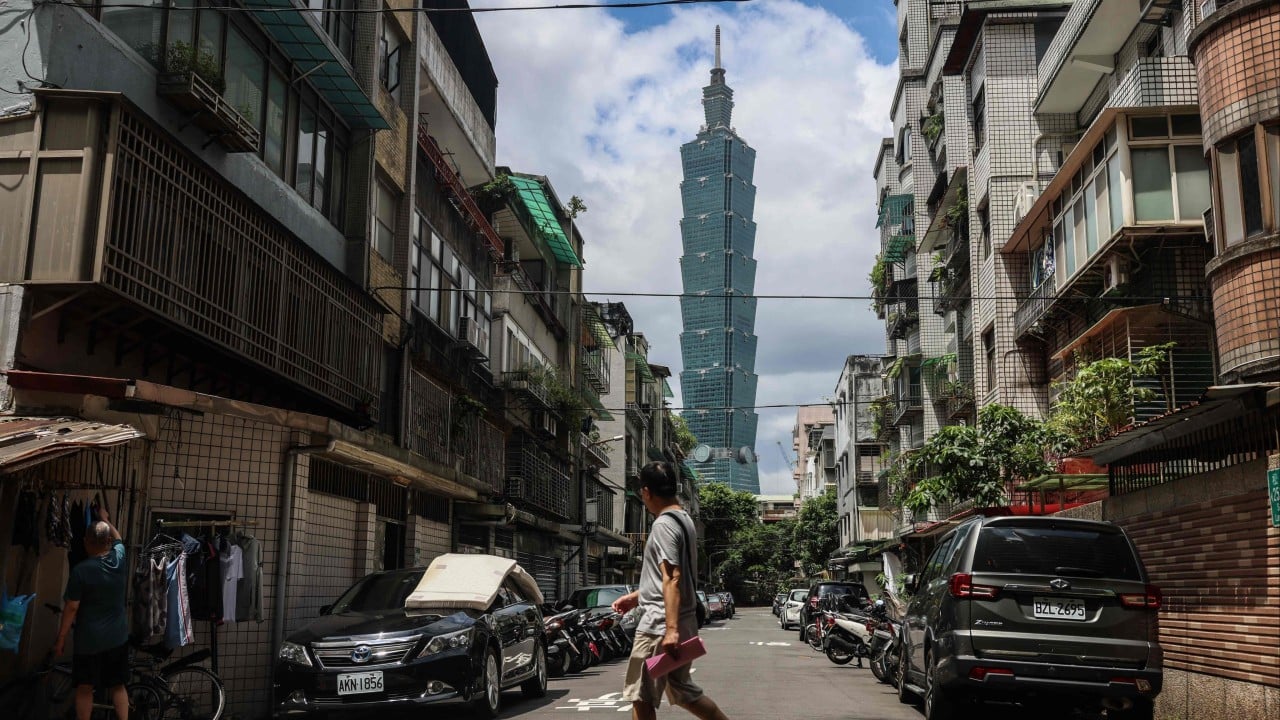
Taiwan's dependence on a single satellite provider, Elon Musk's Starlink, after recent restrictions hampered Ukrainian drone operations, has drawn cautionary warnings from analysts. This dependence is particularly worrisome as Taiwan strives to bolster the resilience of its communication networks in response to potential mainland Chinese attacks, while simultaneously increasing its reliance on drones and unmanned systems.
Shu Hsiao-huang, a senior analyst at Taiwan's Institute for National Defence and Security Research, emphasizes that reliance on a single satellite provider can be dangerous, and urged Taiwan to avoid becoming overly dependent on services from a single company. The recent restrictions on Starlink terminals in Ukraine, which limited their internet access when moving faster than 160km/h, forced some drones to fly more slowly, making them easier targets for Russian forces.
While the exact reason for the restrictions remains unclear, analysts like Zivon Wang at the Chinese Council of Advanced Policy Studies warn that even Starshield, which is partly funded by the US government, could still be disconnected or have its speed restricted due to political or commercial considerations. Taiwan's legislature has already begun easing restrictions on foreign satellite communication companies, but analysts warn that relying on a single satellite constellation, no matter how advanced, would merely trade one vulnerability for another.
Wang advocates for a multi-orbit, multi-provider strategy, combining indigenous satellites with commercial constellations from different international suppliers. This approach would not only reduce dependence on foreign providers but also bolster Taiwan's defense industry by encouraging the development of unmanned systems that are not reliant on US-operated GPS or foreign satellite services.
Analysts caution against treating Ukraine's situation as a direct template for a potential conflict in the Taiwan Strait, highlighting differences in the geographic scope and the complexity of electronic warfare capabilities in the region.
Written by urgent.news from South China Morning Post's reporting — not their text. Machine-written — may contain errors; check the original before relying on it.
This story
This is one outlet's version. Read the fullest account.